
Furnace Installation in Missouri
Homes in Missouri need heat for fewer months of the year than in 28 of the other 49 states.
Tell us about the job
Takes about a minute. No obligation.
- 25°Fwinter overnight low where people live
- 7 monthsof heat, October through April
- $16.49 per million Btuwhat homes paid for natural gas in 2024 (Btu means British thermal units, a measure of heat)
- 1,027winter storms from 2015 to 2024
Gas is cheap here, so efficiency pays slowly Missouri gas ran $16.49 per million Btu
- Northern counties need about 12% more heat than southern ones
- Winter nights average 25°F where people live
- Heat runs October through April
- 1,027 winter storms from 2015 to 2024
- Climate zones 3A, 4A and 5A across the state
- 19% of homes lost power a day or more in 2024
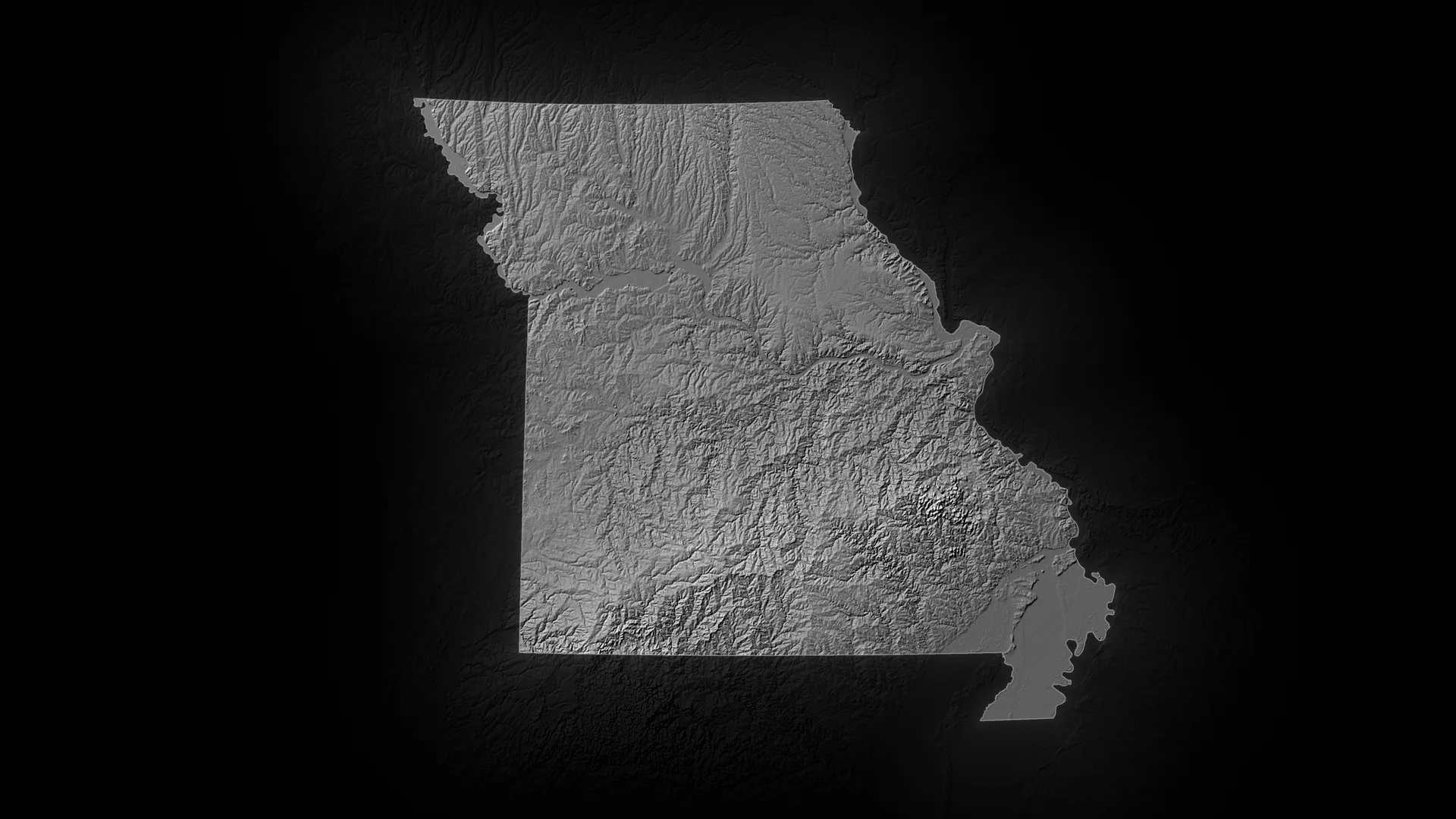
Half of Missouri's homes were built in 1978 or earlier
Gas furnaces make up most of what gets installed in Missouri, since utility gas heats 49.3% of homes here, more than any other fuel. If your home came with a gas furnace, replacing it with another one usually means the gas line, the vent and the meter sizing are already sorted out. That keeps the job closer to a swap than a conversion.
Electricity heats 38.8% of homes in Missouri, the second most common setup. A straight electric furnace is simple to install, but it's worth asking whether a heat pump fits that spot instead, since it moves heat rather than generating it. Either way, the existing electrical panel and circuit need to support whatever goes in, so that's worth checking before anything is ordered.
A normal winter, a normal size
Furnace here runs October through April, about seven months. Overnight lows average 25°F through December, January and February, cold enough to run a furnace hard but nothing close to the coldest parts of the country. Missouri needs heat for fewer months than most other states, and its winters are milder than most too. A standard-efficiency furnace sized to the house is enough. There's no local reason to pay for a bigger unit or a higher-efficiency model than the house actually calls for.


4 months of cooling, June through September
7 months of heat, October through April
What does a furnace in Missouri face?
How cold do winter nights get?
25°Faverage overnight low where people live
North Dakota4°F
Hawaii65°F
How many months does the heat run?
7 monthsof heating a year
Hawaii0 months
Alaska12 months
What does natural gas cost?
$16.49per million Btu, what homes paid in 2024
Montana$7.77
Hawaii$53.25
How often do storms hit?
186severe weather events per county from 2015 to 2024
Alaska5
Wyoming1,057
How many homes lost power for a day or more?
19%of homes in 2024
Arizona7%
Maine54%
What actually goes into the job
The furnace itself is only part of the job. A contractor has to measure the house before sizing it, not just match the old nameplate, because a furnace that's too big cycles on and off instead of running steady, and that wears the parts out faster. Ductwork matters as much as the equipment. If the existing runs are undersized or leaky, a new furnace won't fix that on its own, and sealing or extending ducts adds labor beyond the unit itself. Venting is its own question too. A higher-efficiency furnace runs cooler exhaust that condenses, so it often needs venting material different from what's already there rather than reusing it. Return air gets overlooked, but if there isn't enough coming back to the furnace, it can't move the air it's rated for no matter how good the unit is. Gas and electrical connections need to match what the new furnace calls for, which isn't always what the old one needed. And the thermostat has to suit the new system, especially if it's variable-speed instead of a simple on-off unit. None of this shows up on a furnace sitting in a showroom. It shows up once someone is in the house looking at what's already there.
Sizing is a calculation, not a guess
Sizing a furnace comes down to how much heat the house loses, not how big the old unit was or how big the house is in square feet. A contractor works that out room by room, looking at the walls, the windows, the insulation, how the house is laid out, because houses the same size can lose heat at very different rates depending on what they're built from. That calculation has a name, a load calculation, and it's what should set the size, not a guess carried over from the last furnace. Too big and the furnace shuts off again as soon as it starts, heating the air fast but never running long enough to pull the chill out of the walls and floors. That short cycling also means the blower spends more time starting and stopping, which is harder on it than running steady. Too small and it runs constantly in the coldest stretches without ever catching up. The right size is the one that runs long steady stretches on the coldest days, not the biggest unit that will fit in the closet.
Spend on the install, not the rating
Gas here costs $16.49 per million Btu, on the higher side for a fuel this common, but the payback math still favors fitting the house over chasing the highest efficiency rating on the shelf. A furnace that's sized right and vented right will cost less to run than a top-tier model fighting bad ductwork or a return that can't keep up. Put the money into the installation, not just the nameplate.
Most homes in Missouri already heat with gas, so a straight furnace swap is the simplest path.
Tell us about the job
Takes about a minute. No obligation.
Fill out the form once and contractors who install furnaces in Missouri will reach out with quotes.