





A nighttime street view of several illuminated two-story red brick homes with front porches, flanked by a large tree.

Furnace Installation in St. Joseph, MO

Tell us about the job

Takes about a minute. No obligation.

New system or replacementFurnace or heatingBuchanan County, MO
Step 1 of 2

What ZIP code is the job in?

Gas heats more homes in Buchanan County than anything else, at 53.8 percent. Electric heat comes in second at 39.1 percent, and a small share of homes run on bottled or LP gas. If your old furnace burned gas, putting in another gas furnace is usually the straightforward choice. The gas line, the vent, the fuel setup are already there, which keeps the job closer to a swap than a rebuild.

7 months
October through April, your furnace is on duty
21°F
the average winter night it heats against
54%
of homes here heat with gas, so most furnaces here burn gas
80% AFUE
the federal minimum any new unit must meet
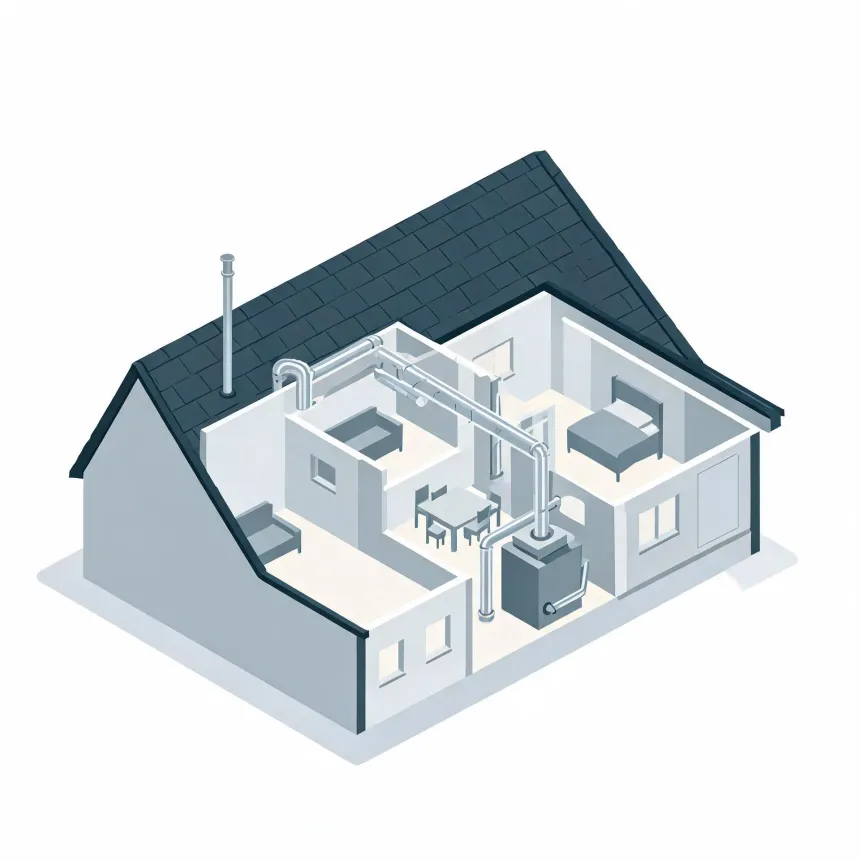
Isometric cutaway illustration of a single-story house with a dark shingled roof, showing interior rooms with furniture and a ducted furnace unit connected to metal ductwork and a roof flue.
Your furnace works hardest from November through March.

NOAA nClimDiv, 1991–2020 normals

Natural gas ran $16.49 per million Btu in Missouri in 2024.

A correctly sized furnace matters more here than chasing the highest efficiency rating.

Half the homes here were built by 1964, and the furnace has to fit that house

Half the homes here were built by 1964
Climate zone 4A
Heat runs October through April
A standard furnace does the job hereBuchanan County sees its share of wind and winter storms, but nothing about this place calls for oversizing a system.

Winter here runs long. Furnaces in Buchanan County come on in October and keep running into April, so a new system needs to hold up over seven straight months, not just handle a few cold snaps. Overnight lows average 21°F through December, January and February, which is a normal winter load for a standard furnace, not an extreme one. There's no reason to size up or pay for a higher efficiency tier than the house calls for. A correctly matched furnace, sized to the home rather than oversized for a worst case that doesn't happen here, will run the whole season fine.

September is the month to get this done

Heat starts running in October here and doesn't let up until April. Get a new furnace in during September and it's a straightforward swap on your timeline. Wait for the first cold snap and you're choosing a furnace while you need one.

Find a contractor
A man in a cap, dark t-shirt and work trousers carries a canvas tool bag up porch steps toward a blue front door, with a tall planter and shrub beside the entry.
A gray residential gas furnace installed in an unfinished basement, surrounded by ductwork, a metal flue pipe, and a gas supply line.

Match the new furnace to the ductwork you actually have

A furnace sized for an old install in an old house may not match what's going in now. If a duct run was cut for a smaller or larger system decades ago, that's worth a look before the new unit goes in, not after.

The rating tells you fuel use, not output

AFUE is a percentage of the gas that actually turns into heat in your house instead of going out the flue. It has nothing to do with how big a furnace is or how much heat it can put out. A high-efficiency furnace and a standard one can heat the exact same size house. The rating only changes how much gas it burns doing it.

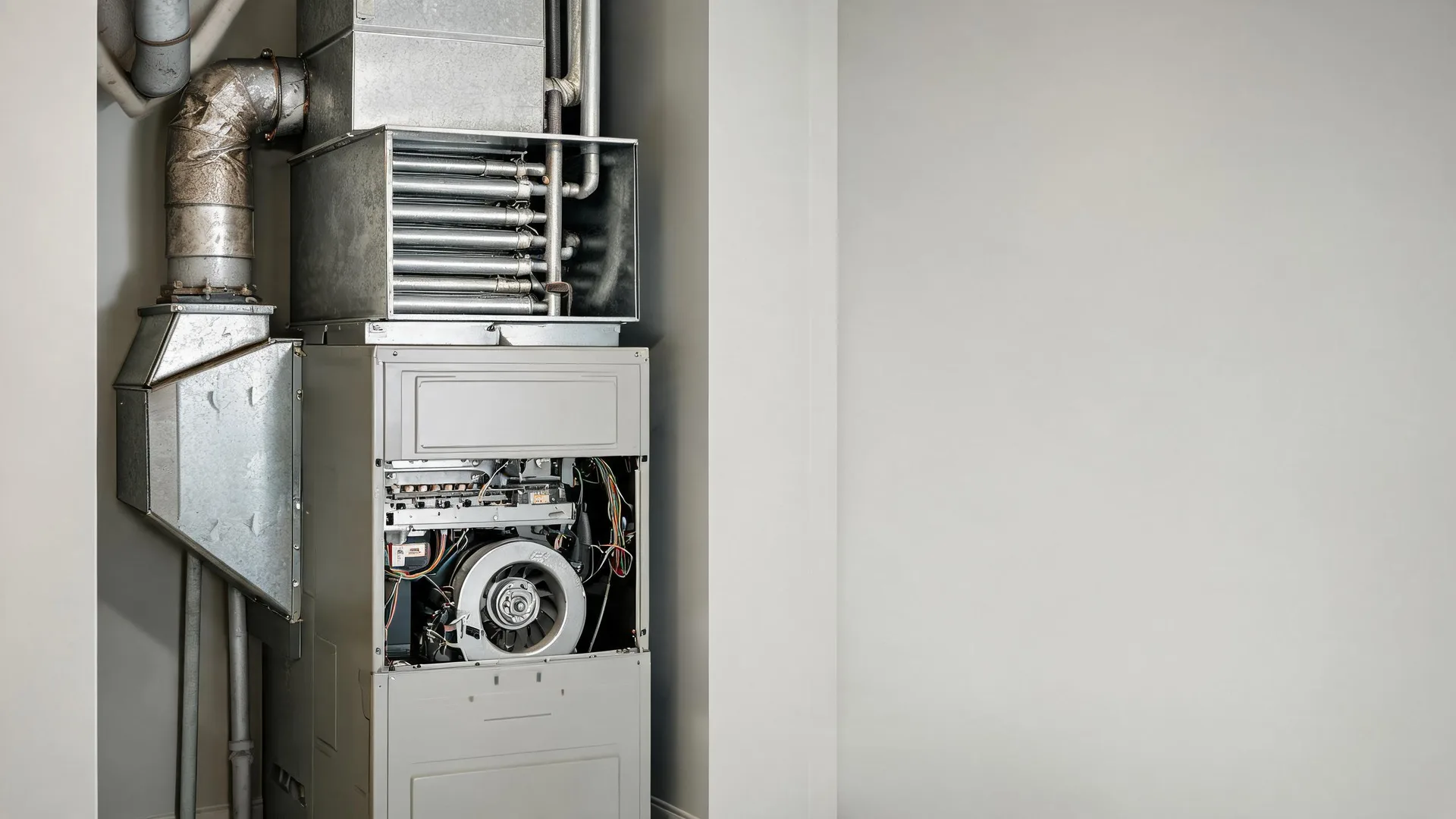
A higher rating only pays off if the furnace is sized right

Chasing a higher AFUE on a furnace that's the wrong size for the house wastes the upgrade. An oversized furnace short cycles no matter what the label says, wearing parts out faster and never running long enough to use its efficiency. Get the sizing right first. The rating only means something once that's settled.

A gray forced-air furnace with ductwork stands in an unfinished concrete basement surrounded by storage items and clutter.

A high-efficiency gas furnace would save about $180 a year to run in Buchanan County compared with a gas furnace.

  • A high-efficiency gas furnace$840 a year
  • A gas furnace$1,020 a year

Estimates for a typical Buchanan County home, from EIA household energy data, Missouri fuel prices and NOAA climate normals. Your home will differ.

A furnace swap starts with the old unit coming out, and that's usually the fast part. What takes longer is everything around it. The gas line gets checked, the vent gets matched to the new furnace, and the ductwork gets connected to the supply and return. If the new furnace uses a different venting setup than the old one, that's where the day gets longer, not shorter. Once it's set and connected, it gets fired up and checked while running. Gas pressure, temperature rise, airflow across the coil, all of it gets looked at with the furnace actually going. Wiring it right and venting it right still leaves the question of whether it runs right, and that only gets answered by watching it run.