





Three lit brick homes on a tree-lined residential street photographed at dusk.

Furnace Installation in St. Louis, MO

Tell us about the job

Takes about a minute. No obligation.

New system or replacementFurnace or heatingSt. Louis city, MO
Step 1 of 2

What ZIP code is the job in?

Gas heats 66.8 percent of homes in St. Louis, more than any other fuel. Electricity covers most of the rest, at 30.6 percent. If your home already has a gas furnace, replacing it with another gas furnace is usually the simpler job. The gas line, the venting and the return air are already sized for that kind of system. Switching to electric heat means changing more than the furnace itself, so most homeowners here stick with what the house was built for.

7 months
October through April, your furnace is on duty
26°F
the average winter night it heats against
67%
of homes here heat with gas, so most furnaces here burn gas
80% AFUE
the federal minimum any new unit must meet
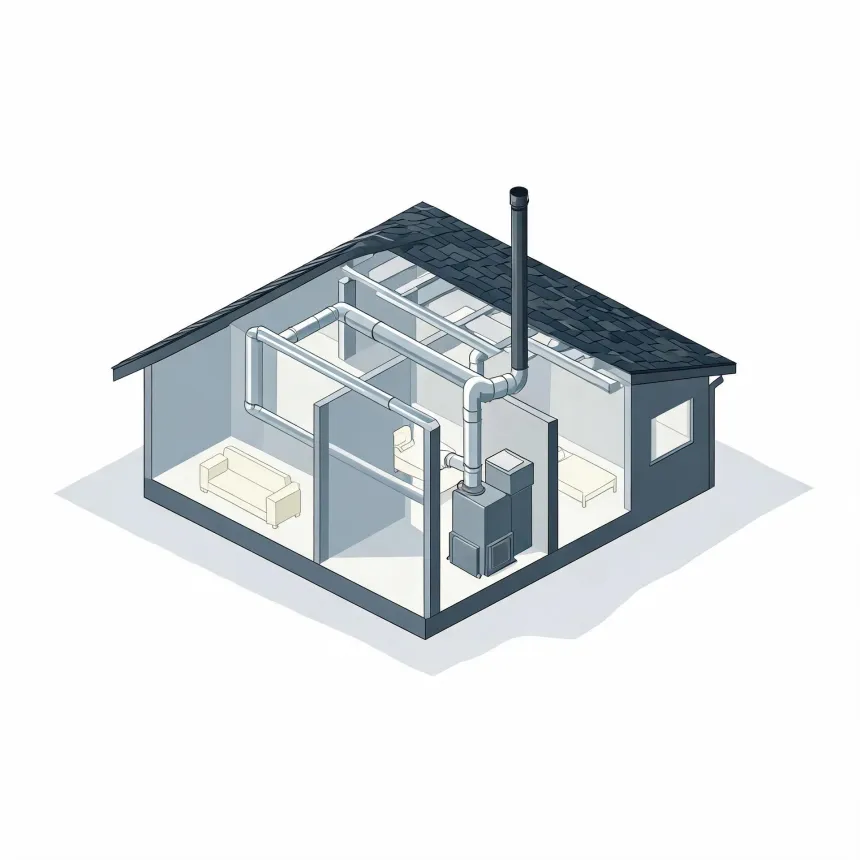
Isometric cutaway illustration of a small single-story house showing a furnace with a flue pipe through the roof and ducting running to rooms containing a sofa, chair and bed.
Your furnace works hardest from November through March.

NOAA nClimDiv, 1991–2020 normals

Furnaces in St. Louis start running in October.

September is the month to replace one, before it has to work.

A standard furnace sized and rated for zone 4A does the job here

Heat runs October through April
Winter nights average 26°F
Climate zone 4A
Gas runs $16.49 per million Btu hereMissouri's natural gas cost in 2024, per the EIA

A furnace that's too big for the house will still heat it, but it does so badly. It fires up, blasts the place to temperature in a few minutes, then shuts off, because that's all the runtime it needs. Short cycles like that never let the ductwork settle into an even flow, so some rooms end up warm and others stay cold. All that starting and stopping also wears out the parts faster than a full, steady run would. A furnace that's too small has the opposite problem. It runs nearly nonstop on the coldest days and still loses ground. Getting the size right means a contractor works out how much heat the house actually loses, room by room, based on the walls, the windows and the insulation, not just the square footage. That number points to a furnace that runs in long, steady cycles and warms the house evenly from room to room.

Pick the furnace that fits the house, not the one with the best efficiency rating

Gas costs what it costs here, so the furnace worth paying for is the one sized right and installed right, not the one with the highest efficiency number on the sticker. A contractor who gets the sizing and the installation right will do more for this house than a pricier unit put in without that work.

Find a contractor
A gray residential gas furnace installed in an unfinished basement, connected to sheet-metal ductwork and PVC pipes.

The furnace is one line on the bill, not the whole bill

The unit itself is only part of the bill. A furnace has to tie into the ducts already running through the house, and if those ducts are undersized or leaky, a contractor has to account for that before the new furnace goes in, sometimes with repairs to the duct run itself. The vent has to be matched to the furnace's category, and if the new furnace vents differently than the old one, that's new venting, not a reuse of what's there. The gas line gets checked too, since a furnace with a bigger blower or a higher-efficiency design can need different gas flow than what the old line was sized for. None of that shows up on the furnace's price tag, but it shows up on the invoice, because a furnace that isn't matched to its ducts, vent and gas line won't run the way it's supposed to no matter how good the unit is.

The old furnace gets disconnected, not left in place

A contractor shuts off the gas line to the old furnace and caps it before pulling the unit out. The old venting comes down too if the new furnace doesn't use it, since a vent sized for one furnace can be wrong for another. A capped gas line and a clean vent termination are both things an inspector checks before the job is signed off.

Where the old unit ends up depends on what it's made of

A furnace is mostly steel, with a copper or aluminum coil in some models and a handful of electronic parts like the control board and igniter. Scrap haulers take the steel cabinet for its metal value, and the copper or aluminum gets pulled separately. Refrigerant isn't part of a furnace, so there's no recovery step the way there is with an air conditioner, which makes a furnace simpler to haul away than the coil or condenser sitting next to it.

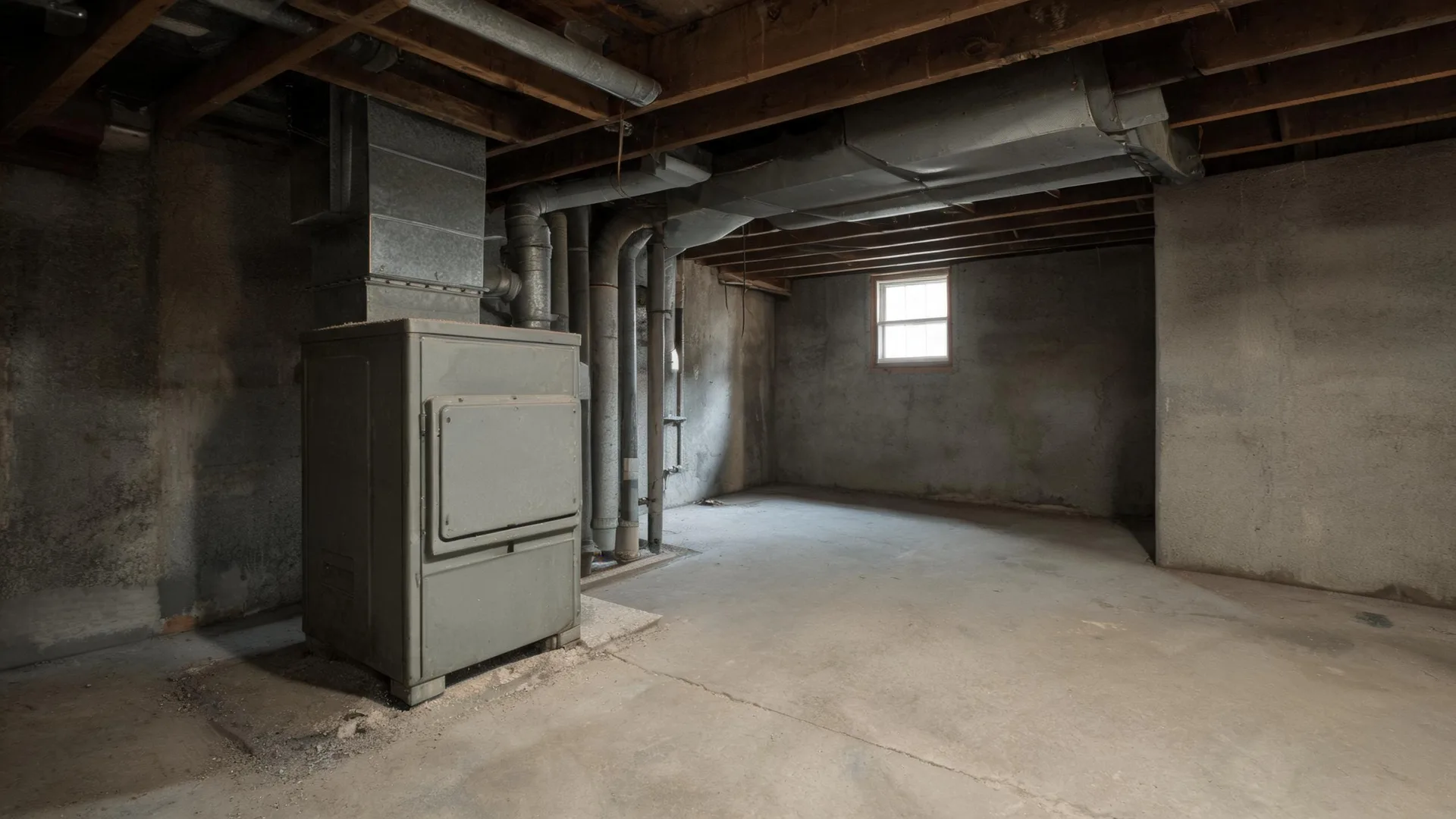
An unfinished basement featuring concrete block walls, exposed floor joists, and a metal forced-air furnace with ductwork near a central pillar.

A high-efficiency gas furnace would save about $160 a year to run in St. Louis compared with a gas furnace.

  • A high-efficiency gas furnace$720 a year
  • A gas furnace$880 a year

Estimates for a typical St. Louis home, from EIA household energy data, Missouri fuel prices and NOAA climate normals. Your home will differ.

Installation day starts with taking the old furnace out, and that part usually takes longer than setting the new one in. The gas gets shut off and capped. The old vent comes down if the new furnace won't be using it. The ductwork gets disconnected from the cabinet so it can come out whole or in pieces. Once the space is clear, the new furnace goes in on its base or gets hung, and the gas line, the vent and the ducts all get tied back in. Each connection gets checked against what the new unit needs, not just hooked up the way the old one was. The electrical and thermostat wiring come next. Then the furnace gets fired up, the gas pressure gets checked, the flame gets looked at, and the system runs through a full cycle while the contractor checks that air is moving the way it should through the ducts. A furnace that's never been tested is just a box sitting where the old one used to be.