



A quiet residential street at dusk lined with illuminated two-story brick houses and mature trees.

Furnace Installation in Monett, MO

Tell us about the job

Takes about a minute. No obligation.

New system or replacementFurnace or heatingBarry County, MO
Step 1 of 2

What ZIP code is the job in?

Barry County saw 248 severe weather events between 2015 and 2024. Most of that was wind and hail, 121 damaging wind events and 100 hail events over those ten years, with 15 tornadoes mixed in. Add 10 winter storms with heavy snow and ice, and you've got a county that gets hit from every direction. Across Missouri, close to one in five households lost power for a day or more in 2024. A new furnace has to be able to take a hit like that, or at least get you through one.

7 months
October through April, your furnace is on duty
27°F
the average winter night it heats against
80% AFUE
the federal minimum any new unit must meet
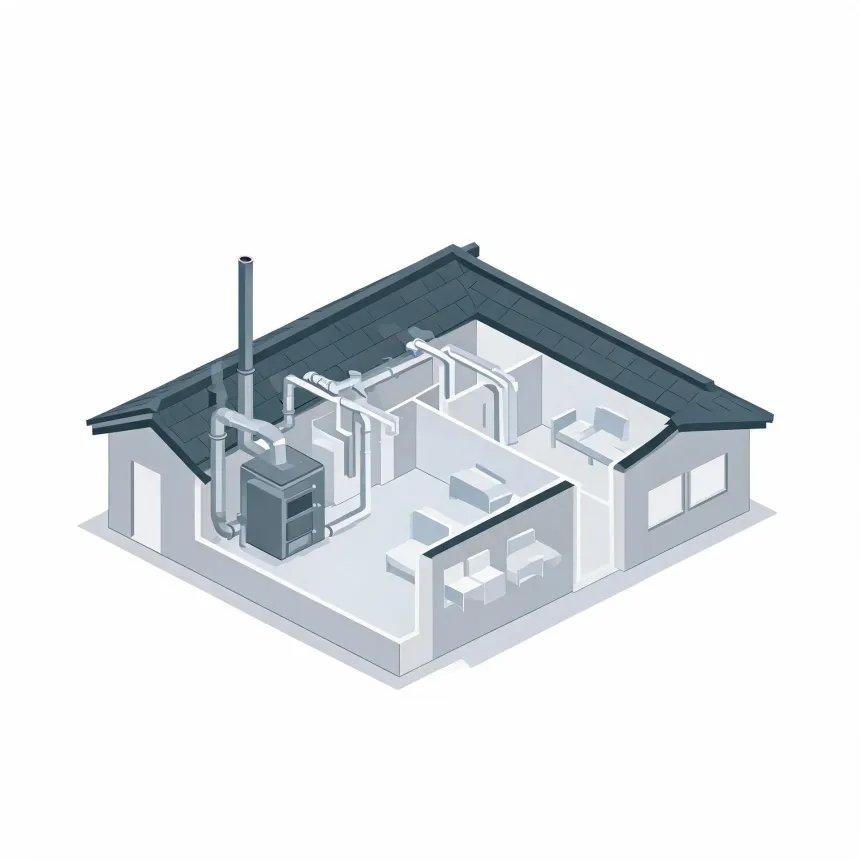
Isometric cutaway illustration of a single-story house showing interior rooms with a dark furnace unit, connected ductwork, a vertical flue pipe through the roof, and simple furniture, on a white background.
Your furnace works hardest from November through March.

NOAA nClimDiv, 1991–2020 normals

A furnace sized too big for the house will short cycle, shutting off before it ever warms the place evenly.

Getting the size right takes a room by room heat loss calculation, not a guess based on the old unit or the square footage alone.

40.6% of homes here already heat with electricity

40.6% of homes heat with electricity
Heat runs October through April
Winter nights average 27°F
Built for the Weather That Finds YouWinter runs October through April here, with overnight lows averaging 27°F in January.

Barry County falls in climate zone 4A, which asks real work of both the furnace in winter and the AC in summer. Any furnace installed here now has to turn at least 80 percent of the gas it burns into heat over the winter, a floor set for units built from November 2015 on. That rule tightens later: furnaces made from December 2028 onward have to hit 95 percent. A furnace bought today still only has to meet the 80 percent mark, so the efficiency printed on the unit is worth checking rather than assuming. A federal tax credit is available for qualifying high-efficiency furnaces, separate from whatever the local code requires.

Plan the Install Around the Outages

Ask where the new furnace and any outdoor equipment will sit, and what happens to heat in your house if the power drops. A furnace that can't run without power still needs a plan for that day. Talk through backup options with the contractor before the install, not after the lights go out.

Find a contractor
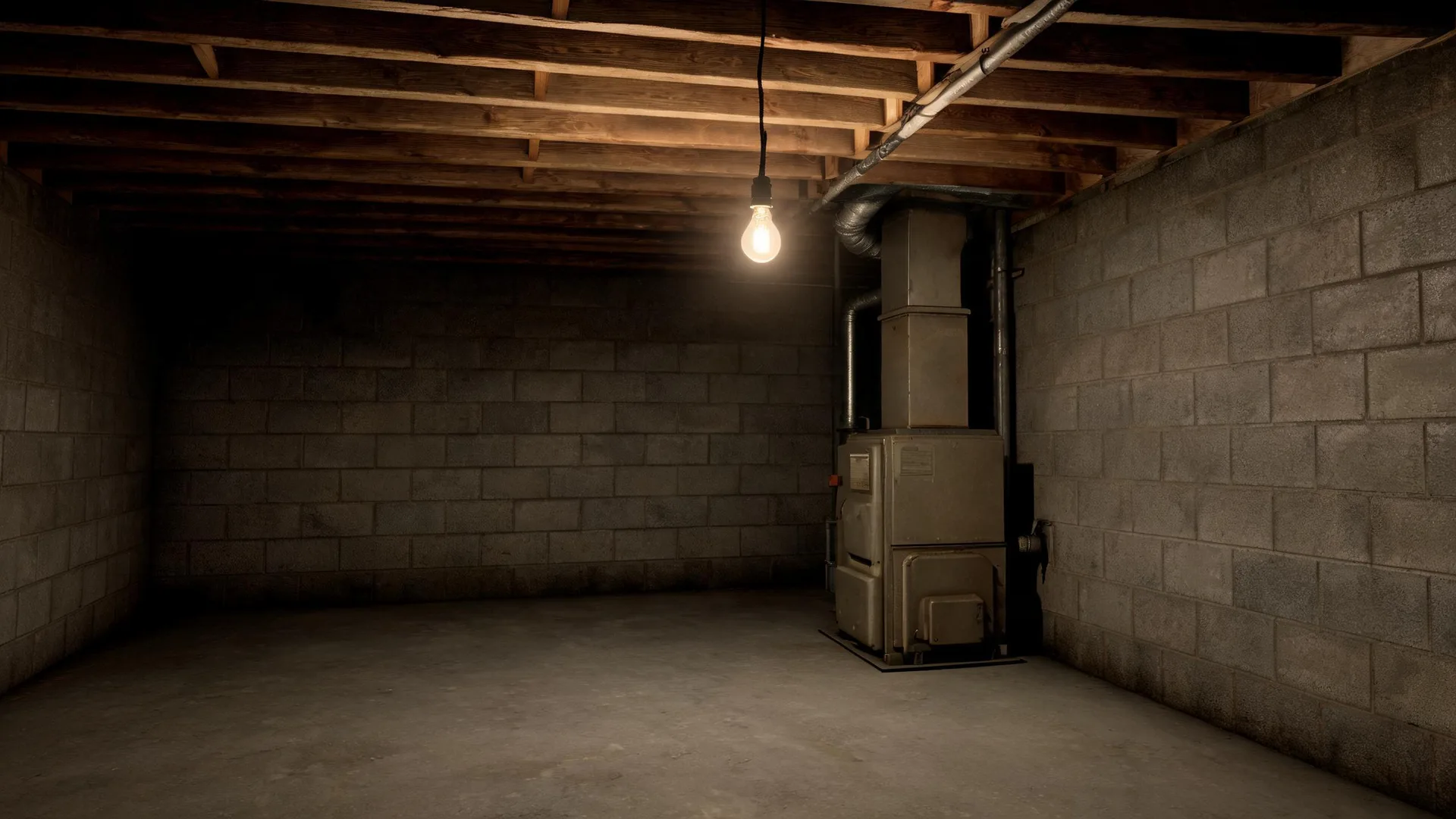
A gas furnace with attached ductwork, gas piping, and condensate lines installed in a concrete-block basement.

What Happens to the Old Furnace

The old furnace does not get reused or passed along. Once a technician disconnects the gas line and the venting, the unit comes out whole and goes to a scrap yard, where the steel cabinet and copper and aluminum inside get pulled apart and recycled by type. A furnace that is old enough to replace has usually cracked a heat exchanger, lost a stage of its gas valve, or just can't hit the efficiency a current unit does, so there is nothing in it worth rebuilding. The gas line gets capped or rerouted to the new unit, and the old ductwork gets checked for leaks and resized connections before anything new ties into it. If the furnace shares a flue with a water heater, that venting gets inspected too, since pulling one appliance off a shared flue can change how the other one drafts.

Ask What Runs Without Power

A gas furnace still needs electricity to run the control board, the blower and the igniter. Without it, the burners won't fire no matter how much gas is in the line. Ask what the system needs to start and run, and whether it can be wired to a generator or a battery backup later even if you don't install one now.
Ask How the Quote Handles Ductwork

A furnace only heats as well as the ducts that carry the air. Some bids price the furnace alone and treat the ductwork as fine until someone opens it up and finds a crushed run or a disconnected joint. Ask whether the quote includes a look at the existing ducts, not just the box that sits in the basement or closet.

The AFUE number on the label tells you how much of the fuel a furnace burns actually turns into heat in the house, versus how much goes straight out the flue. A higher rating means less of what you pay for leaves through the exhaust. Furnaces with a higher rating usually do it with a second heat exchanger, pulling more heat out of the exhaust before it leaves, and that exhaust runs cool enough to vent through PVC pipe instead of metal. That changes what the install looks like. A furnace venting through PVC also produces condensate, water pulled out of the exhaust, and that needs a drain line and somewhere for it to go. The rating only describes the furnace itself. It says nothing about a leaky duct run, a poorly sealed return, or a thermostat left to swing the temperature wide, and any of those can waste more heat than the difference between two ratings ever will.

Installation starts with removing the old equipment and ends with a combustion test, usually inside a single day. A tech disconnects the gas and electrical first, then pulls the old furnace out and sets the new one in its place. From there it's ductwork connections, the gas line, the vent pipe, and the condensate drain if the furnace needs one. Once it's wired and the gas is back on, the furnace gets fired up and checked. That means measuring the gas pressure, checking the temperature rise across the heat exchanger, and watching how the flame looks once the burners settle in. A furnace that passes those checks is drafting properly and burning clean. Only after that does the tech walk the thermostat settings and the filter location with you, since a new furnace is only as good as the person running it afterward.