



Three lit brick homes on a tree-lined residential street photographed at dusk.

Furnace Installation in Kansas City, MO

Tell us about the job

Takes about a minute. No obligation.

New system or replacementFurnace or heatingJackson County, MO
Step 1 of 2

What ZIP code is the job in?

Jackson County saw 367 severe weather events between 2015 and 2024. Most of that was wind and hail, 212 damaging wind events and 127 hail events, with 16 tornadoes and 10 winter storms mixed in. Any one of those can knock out power, and statewide, almost one in five Missouri households went at least a full day without electricity in 2024. A furnace needs power to run even when the fuel is gas, since the igniter, blower and control board all draw electricity. When the storm knocks the power out, a new furnace sitting idle is the risk worth planning for.

7 months
October through April, your furnace is on duty
23°F
the average winter night it heats against
70%
of homes here heat with gas, so most furnaces here burn gas
80% AFUE
the federal minimum any new unit must meet
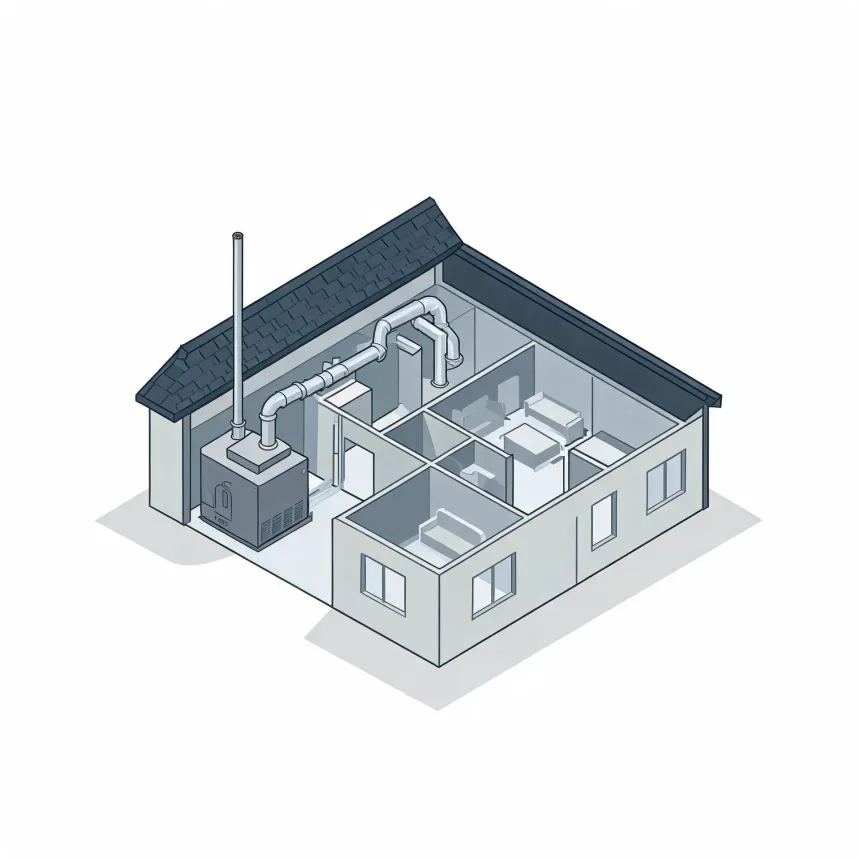
Isometric grayscale illustration of a cutaway single-story house showing interior rooms with furniture, plus an exterior furnace unit with a tall flue pipe and ducting running into the attic space.
Your furnace works hardest from November through March.

NOAA nClimDiv, 1991–2020 normals

Furnaces here run October through April, about seven months straight.

Put a new one in during September and it's already proven before the cold and the storms that come with it arrive.

Most furnaces here run on gas, and a new one should too

69.5% of homes heat with gas
Heat runs October through April
Winter nights average 23°F

Half the homes in Jackson County were built in 1970 or earlier. A furnace going into a house that age is going into ductwork and venting sized for whatever ran there decades back, not for the model sitting in a showroom today. That's worth checking before the new unit goes in, not after. A furnace matched to the wrong duct size will run louder, heat unevenly, or wear out faster than it should. The house doesn't have to be a problem. It just has to be the one the new furnace is actually built for.

Plan the install around the power going out, not just the cold

A gas furnace still needs power to fire up and run. When the installer sets the new one, ask about where the outdoor and vent components sit and how the system handles a power cut. That's a conversation worth having before the install, not after the first outage of the season.

Find a contractor
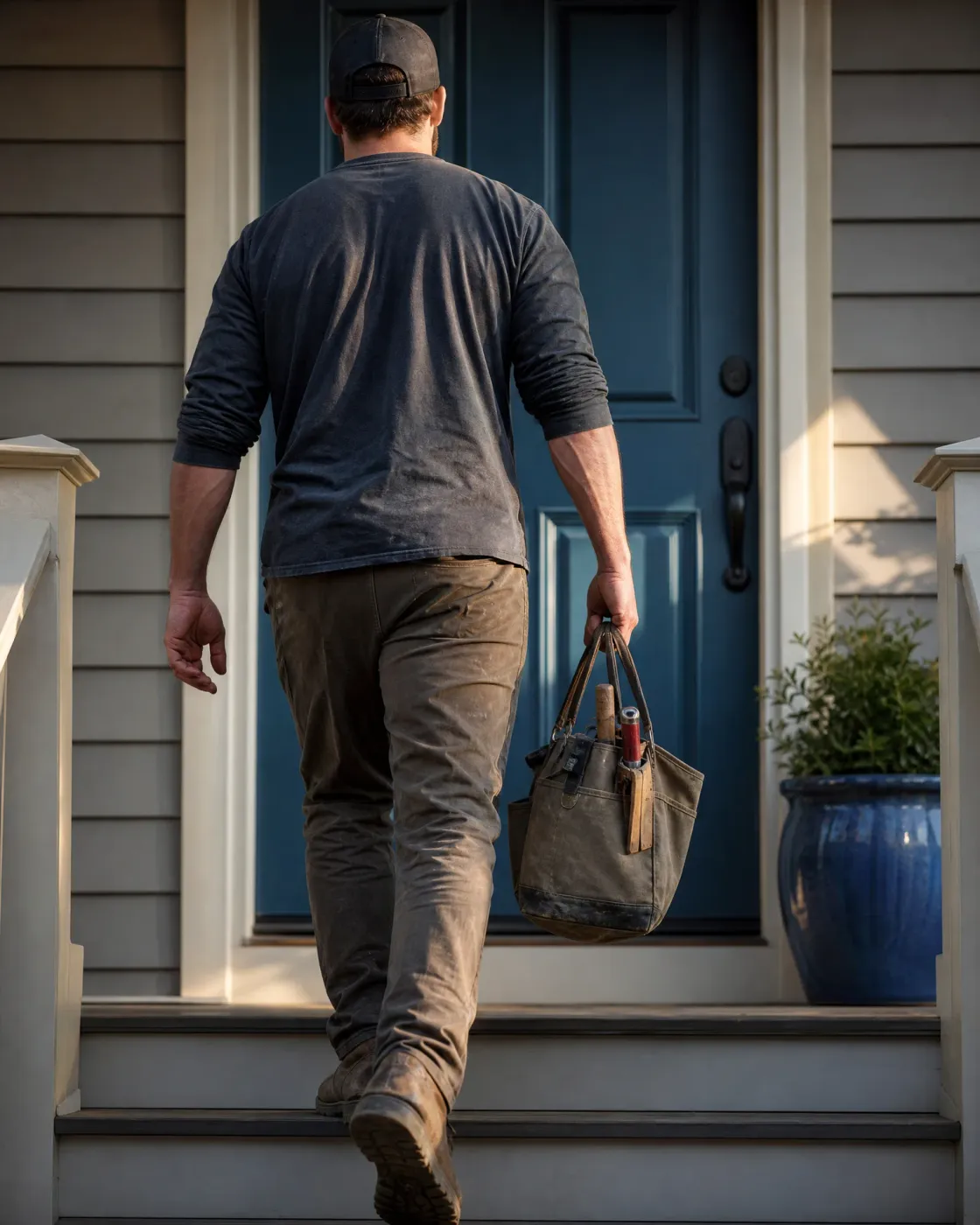
A man in a cap, long-sleeved shirt and work pants carries a canvas tool bag up porch steps toward a dark blue front door, beside a blue ceramic planter.
A gas furnace with attached ductwork, gas piping, and condensate lines installed in a concrete-block basement.

Built in 1970 or earlier, heating now

Ask the installer to check duct sizing before the new furnace goes in, not after. If the ductwork hasn't been changed since the house was built, it was sized for whatever furnace ran there originally, not the one sitting in a showroom now. This is part of the install conversation, not an extra step tacked on. A furnace sized to the house heats evenly and holds up longer, storms and all.

Sizing comes from a heat loss calculation, not the old furnace's rating

A furnace has to be sized to how fast the house loses heat, not swapped in at whatever size was there before. An installer works this out room by room, factoring in window area, insulation and ceiling height, then matches a furnace to that number. Guessing the size off the last unit just carries an old mistake into the new install.

Oversized or undersized both cause real wear

A furnace too big for the house heats the air fast, shuts off, and kicks back on again and again, which wears out the igniter and the blower motor sooner than it should and leaves rooms far from the furnace cold. One too small runs nonstop trying to keep up and still can't hold the temperature on the coldest days. The right size runs long steady cycles that wear evenly and heat the house the way it's supposed to.

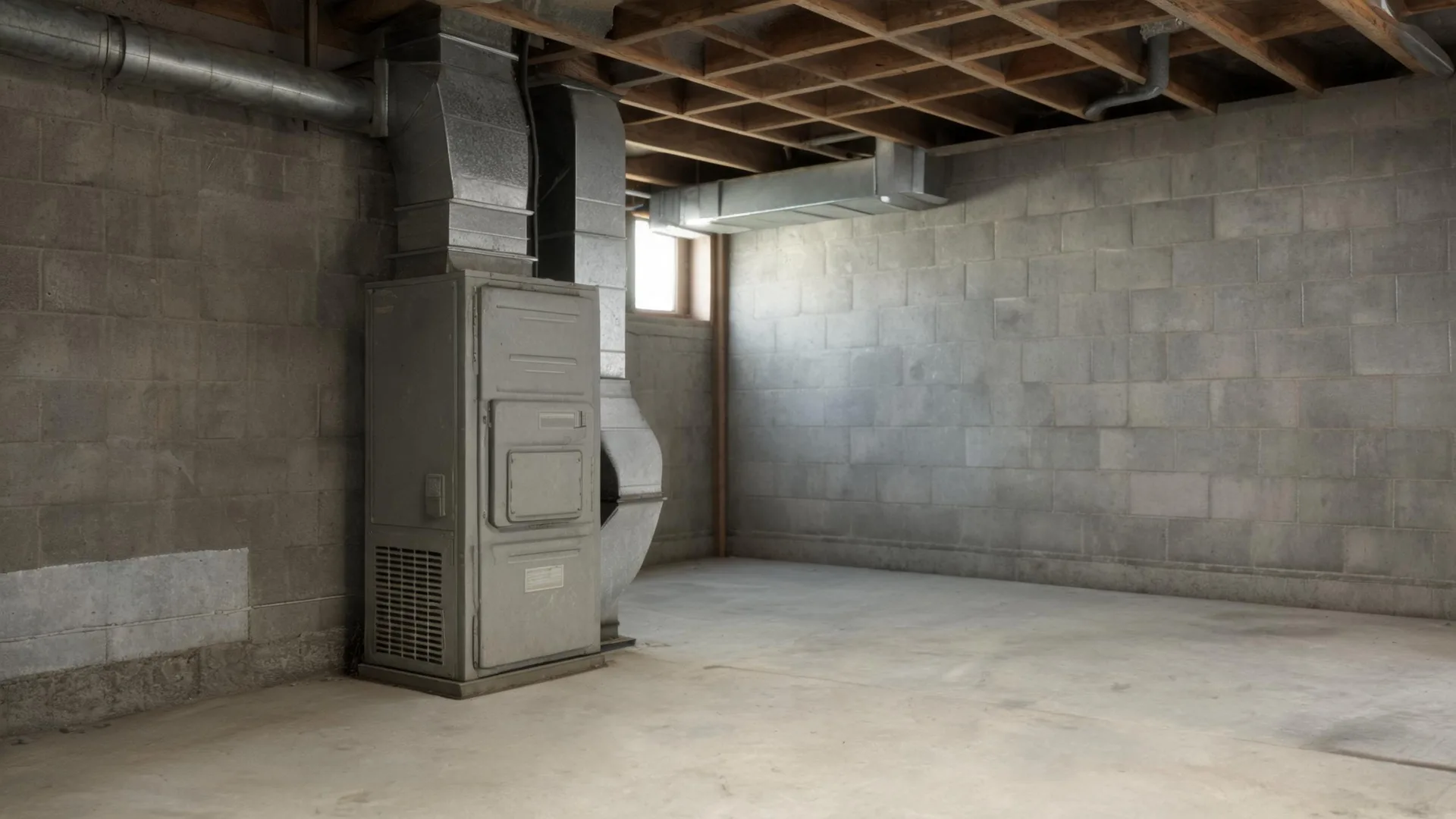
An unfinished concrete basement containing a metal HVAC air handler, exposed wooden ceiling joists with sheet-metal ducts, a hanging bare bulb, copper pipes, and stacked cardboard boxes.

A high-efficiency gas furnace would save about $170 a year to run in Jackson County compared with a gas furnace.

  • A high-efficiency gas furnace$790 a year
  • A gas furnace$960 a year

Estimates for a typical Jackson County home, from EIA household energy data, Missouri fuel prices and NOAA climate normals. Your home will differ.

Installation day starts before anyone touches the old furnace. The installer shuts off gas and power, then disconnects the venting and ductwork from the unit that's coming out. Pulling the old furnace usually takes less time than fitting the new one, since the new unit has to be leveled, connected to the gas line, wired into the control board, and sealed into the existing ducts and vent pipe. Every joint in that vent pipe gets checked, because a bad seal there is a safety problem, not just an efficiency one. Once it's hooked up, the installer runs the furnace through a full cycle, checking the flame, the airflow at the vents, and the rise in temperature across the unit before calling the job done. A furnace installed right shouldn't need a callback for anything other than routine service.