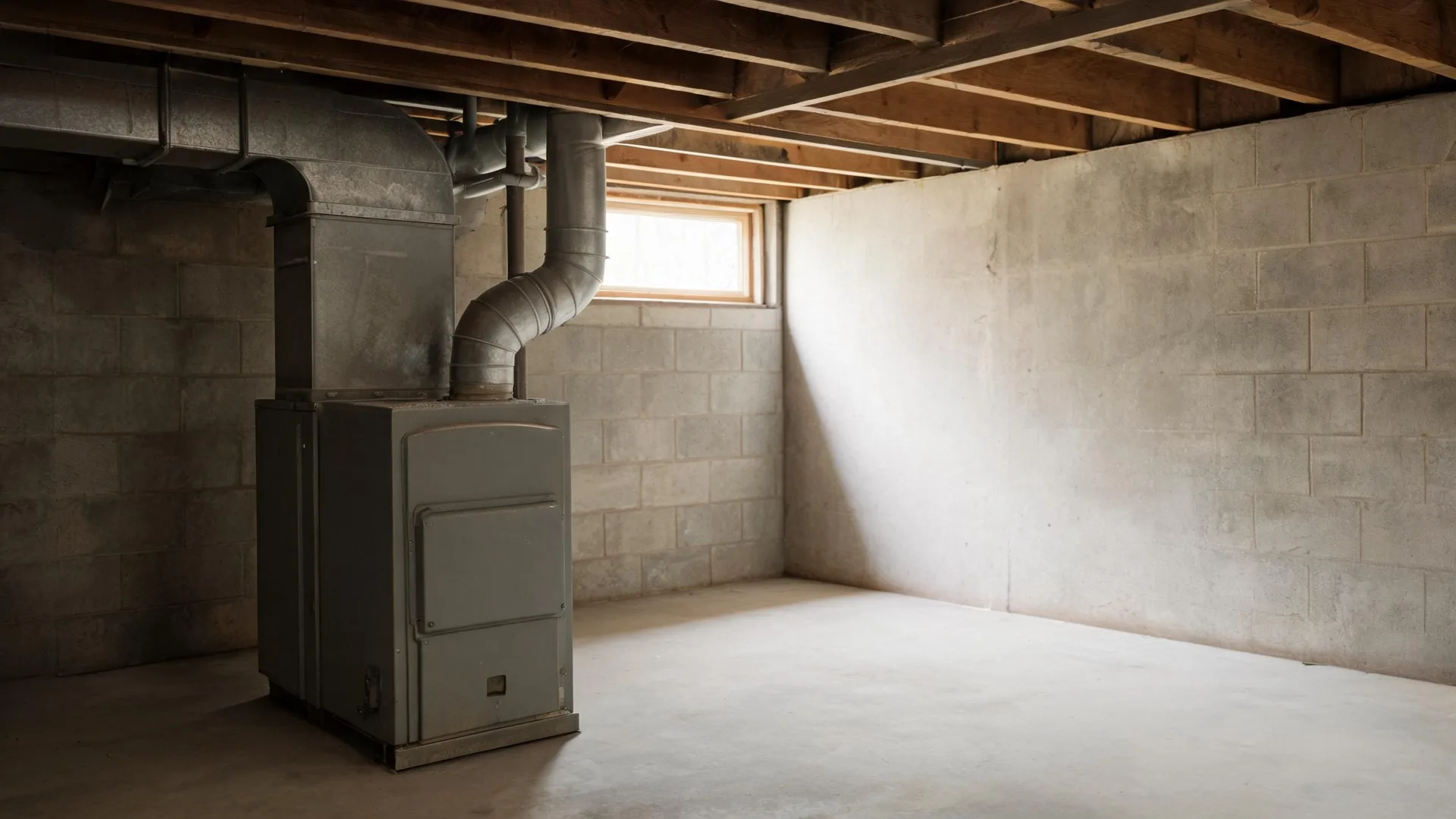
Gas is the common setup here
Just over half of Lafayette County homes heat with utility gas, more than any other fuel. If your old furnace ran on gas, the gas line and venting are already in place for the new one.
Takes about a minute. No obligation.
Just over half of Lafayette County homes heat with utility gas, more than any other fuel. If your old furnace ran on gas, the gas line and venting are already in place for the new one.
A gas furnace going in where a gas furnace came out does not need new fuel lines run through the house. The job is swapping the unit and connecting it to what is already there.
NOAA nClimDiv, 1991–2020 normals
The old furnace does not come back on once the new one is set.
Whoever installs it disconnects the gas and power first, then carries it out.



A standard furnace sized right for your house is the correct call here. Nothing about heating in Lafayette County asks for an oversized unit or a special efficiency rating. Weather is the real variable to plan around, not the furnace itself. The county has seen its share of damaging wind and winter storms over the past ten years, and close to one in five Missouri households lost power for a full day or more in 2024. None of that changes what furnace you need. It just means the system should come back on clean once the power does, with nothing to reset by hand.
Any furnace installed in Lafayette County now has to hit 80 percent AFUE at minimum, and that holds until December 2028, when the bar moves to 95 percent. A standard gas furnace sized for your house already clears today's requirement. If you're weighing a high-efficiency model anyway, a federal tax credit is available on qualifying equipment.
Find a contractor
Half the houses in Lafayette County were built in 1975 or earlier, half in 1975 or later. Furnaces don't care much either way. A standard unit sized to your square footage runs the same whether the house is older or newer. What matters is matching the size to the house you have, not the age on the deed.
A contractor figures heat loss room by room before naming a unit. Ductwork, windows, ceiling height, where the house sits all factor in. Houses with the same floor plan can still call for different sized furnaces depending on how they are built. Skipping this step and matching old to old is where sizing goes wrong.
Setting the unit is only one piece of labor. Running or modifying ductwork, venting it correctly, tying into the electrical and gas lines, adding a new thermostat or filter housing all add their own cost. A straight swap where the old ducts and vents still fit costs less than a job where any of that has to change.
Estimates for a typical Lafayette County home, from EIA household energy data, Missouri fuel prices and NOAA climate normals. Your home will differ.
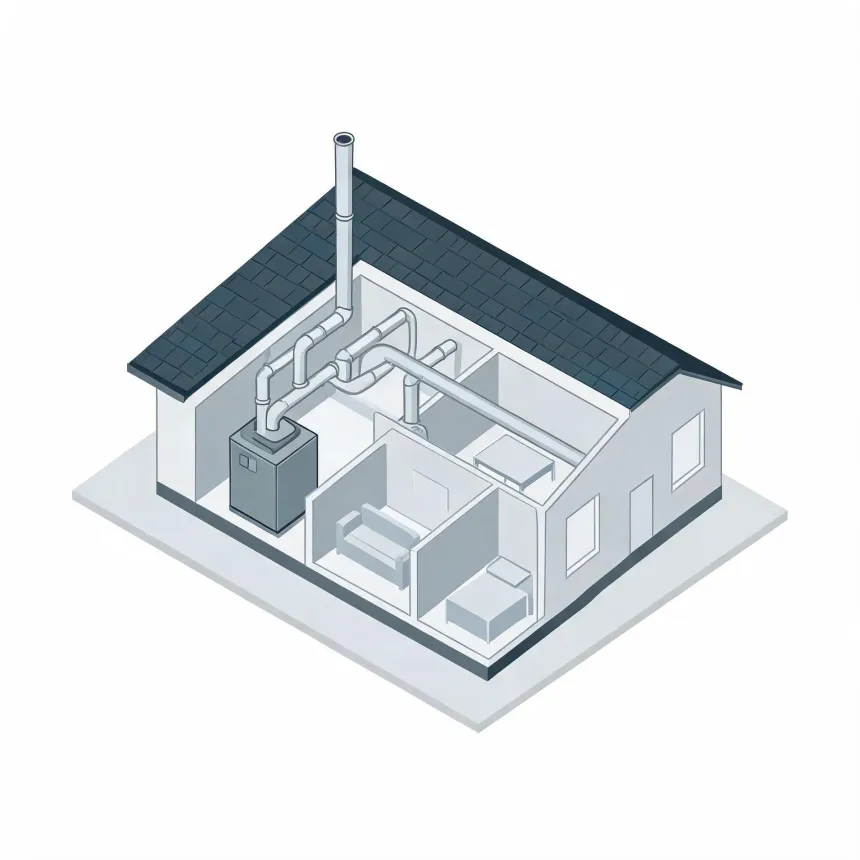
Install day starts with the old furnace coming out, not the new one going in. The gas and power get shut off first. Then the old unit gets disconnected and carried out. Before anything new goes in, whoever's doing the work checks the ductwork and venting to confirm they fit the new furnace. If they do, hooking it up is straightforward. The unit gets set in place, connected to the gas line, wired in, and tied into the existing ducts. Then it gets run through a full cycle, checked for gas leaks, and the venting gets confirmed to be drafting properly. A new thermostat usually goes in at the same time, since most new furnaces expect one. By the time the work is finished, the system should fire up on its own with nothing left for you to reset by hand.