
Furnace Maintenance in Missouri
Homes in Missouri need heat for fewer months of the year than in 28 of the other 49 states.
Tell us about the job
Takes about a minute. No obligation.
- 25°Fwinter overnight low where people live
- 7 monthsof heat, October through April
- $16.49 per million Btuwhat homes paid for natural gas in 2024 (Btu means British thermal units, a measure of heat)
- 1,027winter storms from 2015 to 2024
Missouri winters don't push furnaces hard One fall checkup covers it
- Northern counties need about 12% more heat than southern ones
- Winter nights average 25°F where people live
- Heat runs October through April
- 1,027 winter storms from 2015 to 2024
- Climate zones 3A, 4A and 5A across the state
- 19% of homes lost power a day or more in 2024
An older furnace still only needs the one checkup
Half the homes in Missouri were built in 1978 or later, which means half were built before that. Most houses in the state are single-family, detached or attached, which means most furnaces answer to one house rather than a shared system. An older furnace still just needs its filter size known and its age tracked. None of that changes the once-a-year visit.
Gas heats just under half the homes in Missouri, more than any other fuel. Gas furnaces draw air for combustion and push exhaust out through a flue, and both of those need to be checked, not just the filter. A cracked heat exchanger or a blocked vent doesn't announce itself the way a clogged filter does.
Electricity heats most of the rest of the homes here, with LP gas making up a smaller share. An electric furnace has no flue to check and no burner to clean, but the heating elements and the blower motor still wear with use. A yearly check catches a failing element before it leaves you with a furnace that runs but doesn't warm the house.
Book the checkup in September, before October asks anything of the furnace
Furnace season starts in October here and runs through April, seven months straight. That first month is when a weak igniter or a cracked heat exchanger shows itself, right when you need the furnace to just work. Get the check done in September, before the cold asks anything of it. Missouri doesn't need heat as many months as most states do, but the months it runs, it runs without a break, so the furnace should already be checked out before October arrives.


4 months of cooling, June through September
7 months of heat, October through April
Missouri's homes don't all ask the same of a furnace. Homes across the northern counties need about 12% more heat over a year than homes across the southern counties. The gap goes further at the extremes. A home in Putnam County needs about 65% more heat over a year than a home in Pemiscot County, where the state's heating need is lowest.
Winter nights follow the same split. Worth County sees the coldest nights in the state, averaging 18°F across December, January and February. Pemiscot County sees the mildest. Where most households in the state actually live, the overnight low runs milder than what Worth County sees.
None of this makes Missouri a hard state on a furnace. Homes here need heat for fewer months of the year than in 28 of the other 49 states, and winter nights are milder here than in 26 of them. A home in Worth County or Putnam County is still working closer to what the rest of the state sees than to anything unusual. Wherever you are in Missouri, the furnace runs the same stretch, October through April, and the same yearly checkup before that stretch starts covers it.
What does a furnace in Missouri face?
How cold do winter nights get?
25°Faverage overnight low where people live
North Dakota4°F
Hawaii65°F
How many months does the heat run?
7 monthsof heating a year
Hawaii0 months
Alaska12 months
What does natural gas cost?
$16.49per million Btu, what homes paid in 2024
Montana$7.77
Hawaii$53.25
How often do storms hit?
186severe weather events per county from 2015 to 2024
Alaska5
Wyoming1,057
How many homes lost power for a day or more?
19%of homes in 2024
Arizona7%
Maine54%
A furnace gives warning before it fails, if someone's looking
A furnace usually gives some warning before it quits. Short cycling, where it fires up, runs a few minutes, and shuts off before the house warms, often means a clogged filter or a flame sensor that needs cleaning. A burner flame that's yellow or flickering instead of steady blue isn't burning clean, and that's worth a call, not a wait and see. Rattling, squealing or grinding from the blower usually means a motor bearing wearing out or a wheel knocked loose. If the furnace runs longer each cycle to reach the same temperature, something is losing efficiency before it fails outright. A pilot light that keeps going out, or a burning smell that doesn't fade after the first run of the season, both point to something that needs a look. A yearly checkup catches most of this early. A tech checks the flame sensor, tests the igniter, inspects the heat exchanger for cracks, and clears the flue so exhaust actually leaves the house instead of backing up. None of that shows from looking at the furnace yourself, which is the case for getting it checked before anything seems wrong.
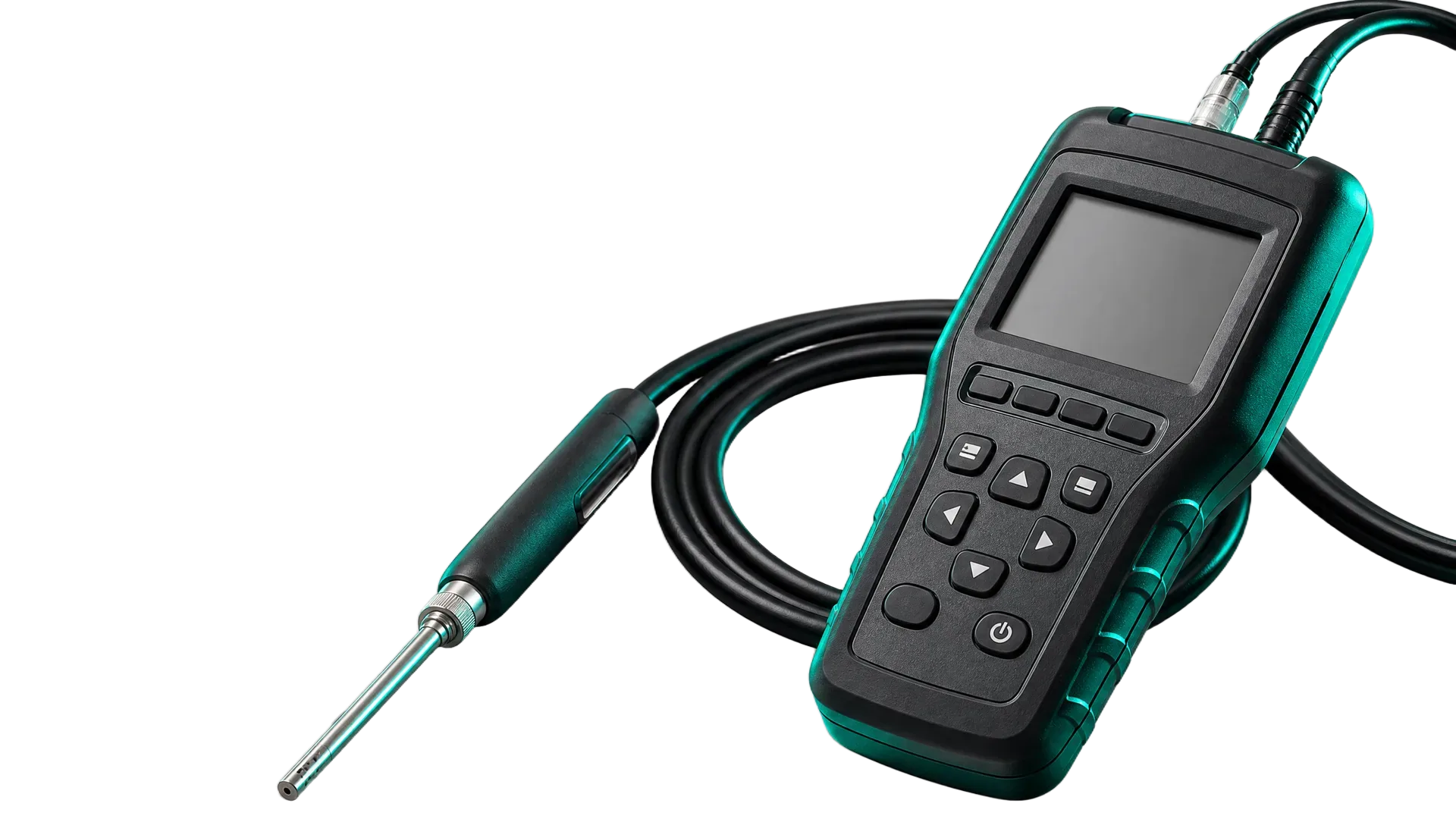
What to check yourself, and what to leave alone
Between checkups, the filter is the one thing worth your attention. A dirty filter chokes airflow, and the furnace works harder to push air through it, which stresses the blower motor and can cause overheating. Look at it every month or so and swap it when it's visibly gray or clogged, not on a fixed schedule. While you're there, make sure nothing is stacked against the furnace itself or blocking a vent or return in the house. A blocked vent hood or a flue pipe knocked loose by something bumping into it is not something to fix yourself. Beyond the filter, leave it alone. Don't open the cabinet, don't adjust the gas valve, don't poke at the flame. If you smell gas, leave the house and call the gas company before anyone calls anyone else.
What's actually behind the panel
Open the cabinet and most of what matters is out of sight. The heat exchanger sits behind the burners, and a crack in it can run for months without smoke or smell, the kind of thing a tech finds by looking at it directly or running a combustion test, not by guessing. The flame sensor is a thin metal rod that reads whether the burner is actually lit, and it coats over with a film from normal combustion whether the furnace is new or old. A coated sensor doesn't always stop the furnace outright, sometimes it just makes it shut off a few seconds early, cycle after cycle, in a way no one upstairs would notice. Gas pressure to the burners gets checked against a spec, because too high or too low both waste gas without changing how warm the house feels. The blower wheel collects a layer of dust on its blades that throws it slightly out of balance, long before it grinds or squeals loud enough to hear. None of this shows up as a symptom. The furnace keeps running, the house keeps warming, right up until the part that was quietly failing finally doesn't.
One furnace checkup a year is what Missouri asks for, so get it done before October starts the stretch.
Tell us about the job
Takes about a minute. No obligation.
Fill out the form once and a licensed Missouri contractor gets in touch to schedule the checkup.