





A lit residential street at dusk featuring large two-story brick houses with glowing windows, mature trees, and a street lamp.

Furnace Installation in St. Robert, MO

Tell us about the job

Takes about a minute. No obligation.

New system or replacementFurnace or heatingPulaski County, MO
Step 1 of 2

What ZIP code is the job in?

Missouri electricity ran $37.84 per million Btu in 2024, on the higher end for the region. Most furnaces around St. Robert run on that electricity. A furnace that turns more of what it pulls in into actual heat wastes less of that expensive power, and that difference shows up on every bill it sends you, not just the big ones in the hardest months. Where power costs less, efficiency matters less too. Here, it is worth weighing before you buy.

7 months
October through April, your furnace is on duty
26°F
the average winter night it heats against
80% AFUE
the federal minimum any new unit must meet
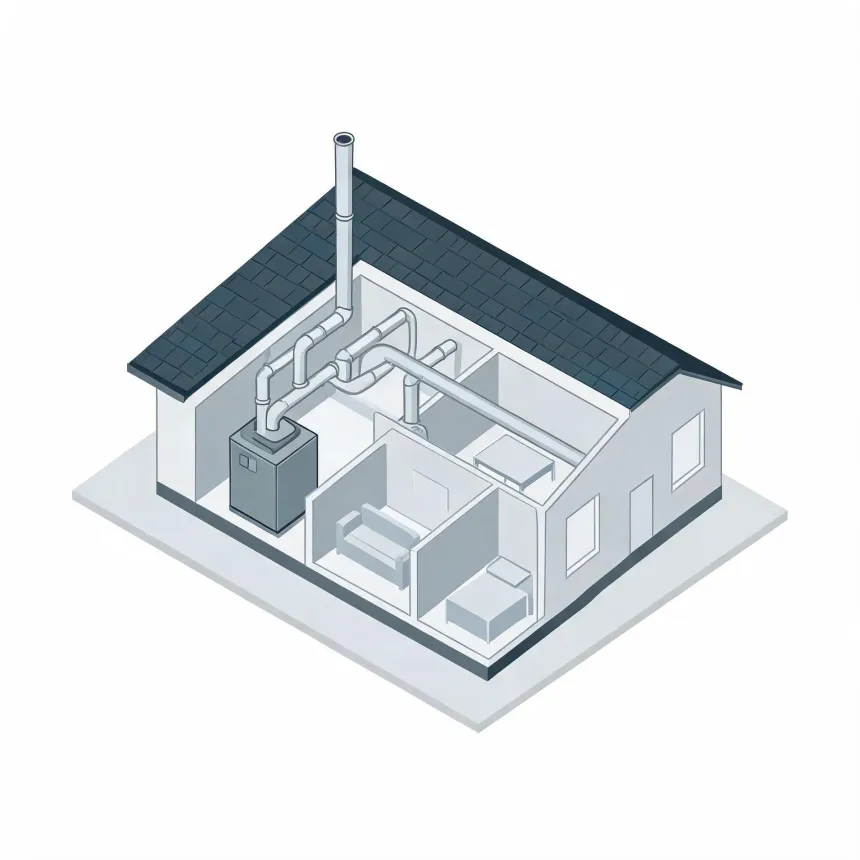
Isometric cutaway illustration of a single-story house showing a gray furnace connected to white ductwork and a flue pipe extending through the shingled roof, with simplified furniture in the interior rooms.
Your furnace works hardest from November through March.

NOAA nClimDiv, 1991–2020 normals

Almost three out of four homes in Pulaski County heat with electricity.

A straight electric furnace swap is the path most homeowners here are already on.

Seven months of heat means seven months of this bill

Heat runs October through April
Winter nights average 26°F
Climate zone 4A

Pulaski County falls under zone 4A in the 2021 energy code, a mixed climate that asks real work of both your furnace and your air conditioner. Any gas furnace installed has to clear a federal floor too: units built from November 19, 2015 on must turn at least 80 percent of the gas they burn into heat over the winter. That floor rises to 95 percent for furnaces built on or after December 18, 2028. A gas furnace installed today only has to meet the 80 percent mark, but it's worth asking a contractor which rating the unit you're looking at actually carries. A federal tax credit is available for higher-efficiency equipment, separate from whatever the minimum requires.

Pick the furnace that costs less to run, not just less to buy

Electricity here runs higher than most of the region, and most furnaces in Pulaski County run on it. The efficiency rating on the unit you choose is what decides how much of that power turns into heat in your house instead of showing up wasted on the bill. Worth asking a contractor to walk you through the ratings on what you're looking at before you decide.

Find a contractor
A man in a dark long-sleeve shirt and tan pants climbs porch steps toward a blue front door, carrying a worn canvas tool bag with tools in its side pockets, beside a potted shrub in a blue planter.
A gray gas furnace with attached ductwork and piping installed in an unfinished concrete basement.

The rating on the label only holds if the furnace is sized to match the house

A furnace carries two different ratings, and it helps to know which one you're looking at. An electric furnace is rated by how much of the power it draws turns into heat, and that number barely moves between units, there isn't much room left to waste. A gas furnace is rated by AFUE, the share of fuel it actually burns into heat over a full winter instead of losing up a flue. That rating doesn't drop over time on its own, but a furnace pushed into short, constant cycles because it's sized wrong for the house will run less efficiently than its label promises. Oversized or undersized, it's working against itself every time it kicks on. A unit sized and installed to match the house is what lets that rating hold up winter after winter.

The old furnace has to come out first

A contractor disconnects the gas line or the electrical circuit, pulls the furnace from its spot, and removes the flue connection if it had one. The ductwork and any gas or power lines stay in place to hook up the new unit. If the old furnace is heavy or boxed in by framing built around it, getting it out can take more care than putting the new one in.
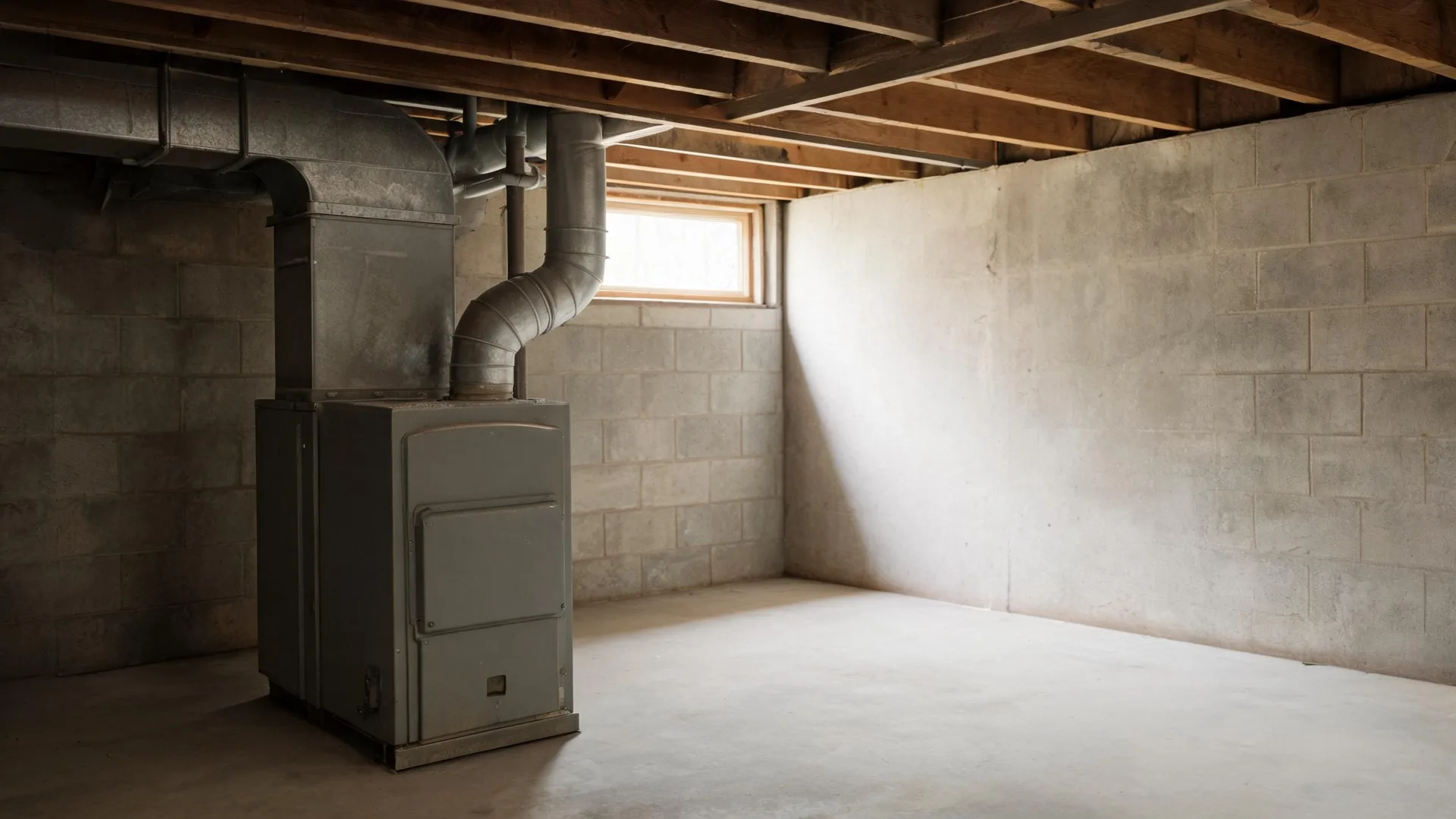
What comes out of the house matters for what goes back in

Pulling the old furnace is also when a contractor can see the duct connections, the venting, and the return air setup up close. Problems that were hidden behind the old cabinet, a crushed duct or a vent pipe that was never sized right, show up at this point. That's the moment to fix them, before the new furnace gets bolted into the same spot and the same mistakes get sealed back up behind it.

A furnace that's too big for the house doesn't heat better, it just runs in short bursts. It hits the thermostat setting fast, shuts off, and kicks back on again soon after, never running long enough to warm the place evenly or settle into a steady flame. That constant starting and stopping wears on the ignitor and the blower motor faster than a full, steady run would. Too small, and it runs nearly nonstop on the coldest days, straining to keep up and still falling short in the rooms farthest from the unit. Getting the size right isn't a guess. A contractor works it out from a heat loss calculation, which looks at the square footage, the windows, the insulation, and how the place is laid out room by room, and sizes the furnace to match what that specific house actually loses on a cold day, not a rule of thumb based on the old unit.

Most installs run a full day, start to finish. The crew shows up, shuts off power or gas to the old unit, and gets it disconnected before they start pulling anything apart. Once the old furnace is out, they check the ductwork and vent connections, make any changes the new unit needs, and set the new furnace in place. Gas lines get connected and pressure tested. Electrical connections get tied in and checked. Before anyone leaves, the furnace gets fired up and run through a cycle, airflow gets checked at the registers, and the thermostat gets tested to make sure it's talking to the new unit correctly. A straightforward swap, same fuel type and same spot, tends to move faster than one where ductwork has to be reworked or a gas line has to be run somewhere new.