Electricity here runs $37.84 per million Btu
Missouri homes paid that rate in 2024, and most furnaces in Rolla run on electricity. A furnace that wastes power turns that rate into a bigger number on every bill it sends.
Takes about a minute. No obligation.
Missouri homes paid that rate in 2024, and most furnaces in Rolla run on electricity. A furnace that wastes power turns that rate into a bigger number on every bill it sends.
The furnace going into your house has an efficiency rating attached to it already. Asking about that rating before installation is the only time it's a choice instead of a bill you're stuck with.
NOAA nClimDiv, 1991–2020 normals
The old furnace doesn't get reused once it's disconnected.
Whoever installs the new one hauls the old unit away as part of the job.




Phelps County sits in climate zone 4A, which asks real work of both your furnace and your AC over the year. Any gas furnace installed here has to clear a federal efficiency floor to be sold at all. Units built from November 2015 on have to turn at least 80 percent of the gas they burn into heat. That floor jumps to 95 percent for furnaces built from December 2028 on, so what counts as legal to install is about to change. Right now you're choosing within the 80 percent minimum and whatever higher-efficiency models a contractor offers above it.
Electricity here runs $37.84 per million Btu, and that rate doesn't change based on which furnace is sitting in your basement. The efficiency rating gets decided at installation, not after. Ask what rating the unit carries before it goes in.
Find a contractor
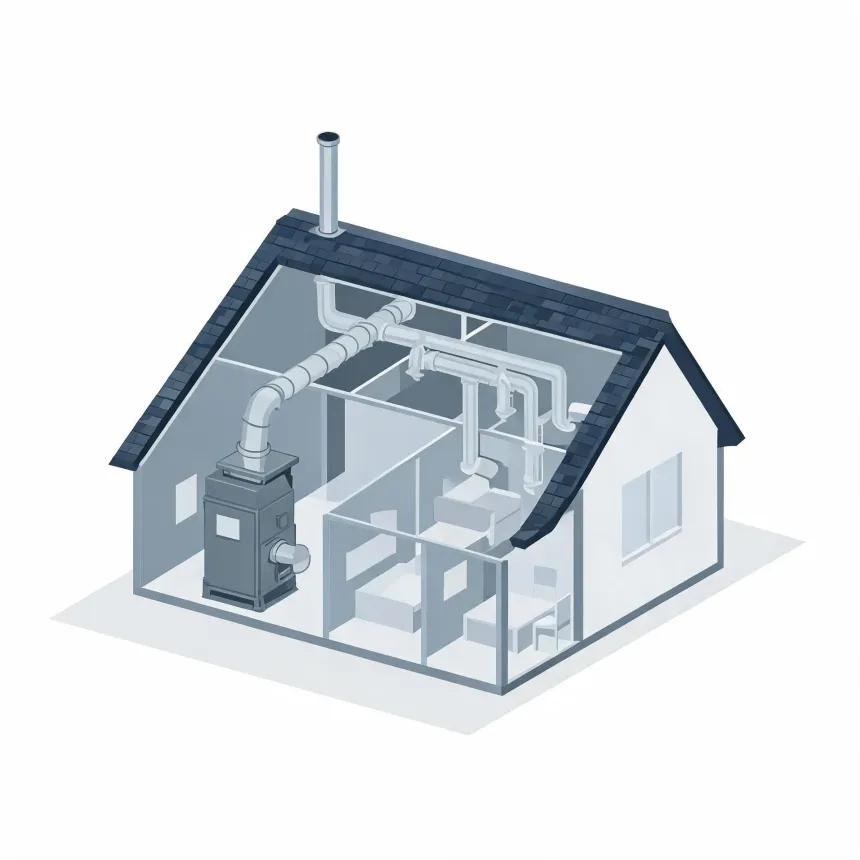
A furnace gets sized to the house it's heating, not picked off a shelf. Ask what load calculation the contractor ran, and on what. Guessing from square footage alone leaves you with a unit too big or too small for what the place actually needs. One that's oversized cycles on and off more than it should, which wears the ignition system faster and never runs long enough to heat evenly. One that's undersized runs constantly and still can't keep up on the coldest days. Ask about the heat exchanger too, since that's the part that fails last but costs the most when it does. Find out how the ductwork gets evaluated, not just the furnace. A new unit pushing air through old, leaky or undersized ducts won't deliver what its rating promises. Ask what happens to the vent and flue, since a more efficient furnace often needs different venting than what's already in place, and that's not something to find out after the fact.
A contractor works out heat loss room by room, using the walls, the windows, the ceiling height, how the place is laid out. That number is what the furnace gets matched to. Two houses the same size can need different furnaces because one holds heat better than the other.
A furnace too big for the house heats it fast, shuts off, then starts again soon after. All that cycling wears out the ignition system well before it should quit. A furnace too small never gets ahead of the cold. It runs without stopping and the house still doesn't feel warm all the way through.
Installation cost follows a handful of things, and size is the biggest. A furnace matched to the right output for the house costs less to put in than one bumped up a size because nobody ran the numbers. Efficiency tier is the next piece. A furnace built to hit a higher efficiency rating uses a different heat exchanger and often needs different venting, and both of those add labor beyond just setting the unit in place. Ductwork is the one people forget to price in. If the existing ducts are too small, leaky, or routed poorly for the new furnace, fixing that is its own job, separate from the furnace itself. The vent and flue can add cost too, since swapping to a higher-efficiency unit sometimes means running new venting rather than reusing what's there. None of this shows up on the sticker price of the furnace alone. It shows up once a contractor sees the house.
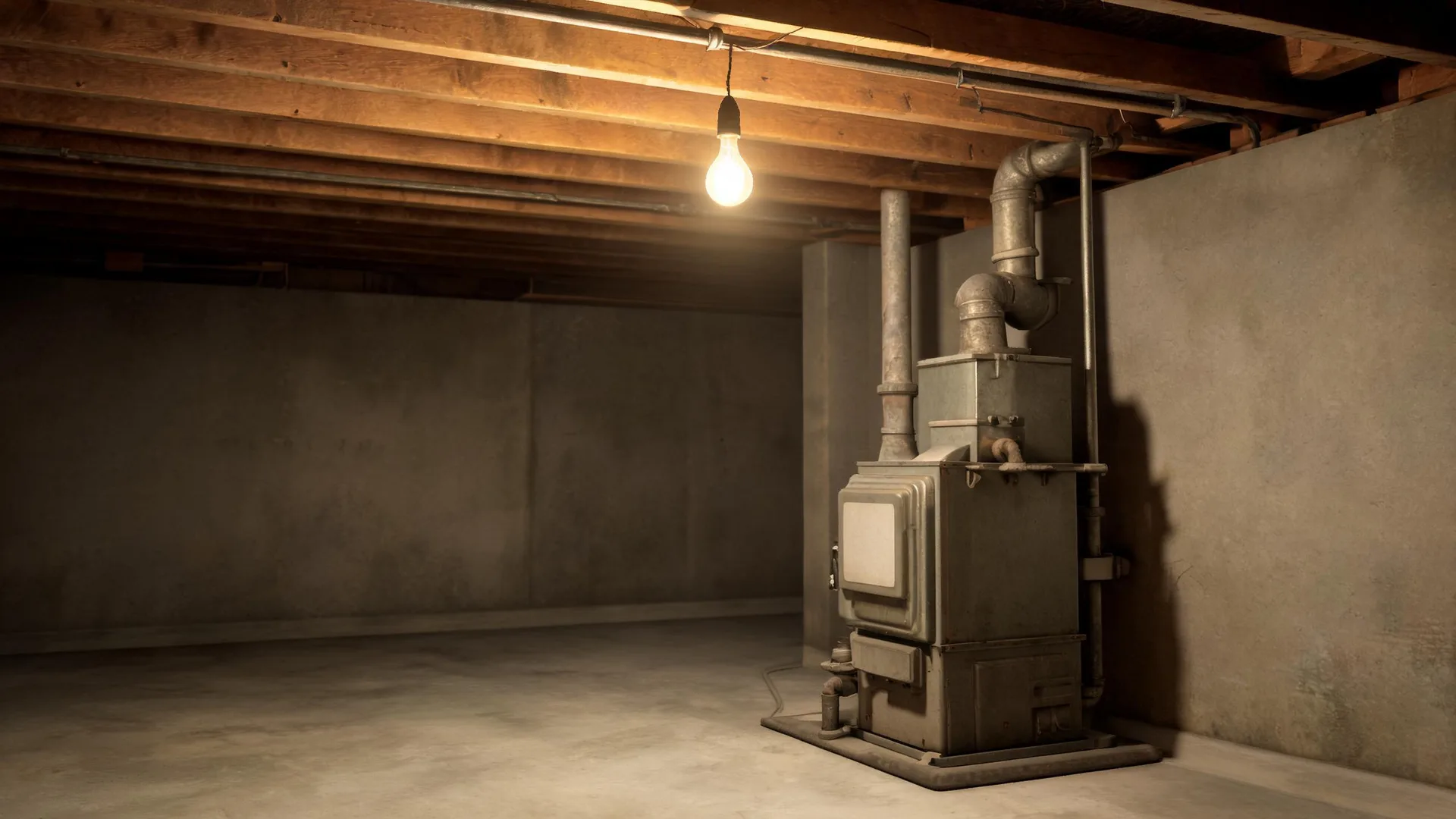
Install day starts with the old furnace coming out, not the new one going in. The contractor disconnects the gas line, the venting, and the electrical before anything gets carried out of the house. Once the space is clear, they check the ductwork connections and the flue before setting the new unit, since those have to match up with what the new furnace needs. Setting the furnace itself and connecting gas, power, and venting is usually the fastest part of the day. Testing takes longer than people expect. The contractor runs the system through a full cycle, checks the gas pressure, confirms the flue is drafting correctly, and checks that the thermostat is actually talking to the new unit before calling the job done.