





A illuminated two-story red brick house on a quiet residential street at dusk, flanked by mature trees under a deep blue evening sky.

Furnace Installation in Florissant, MO

Tell us about the job

Takes about a minute. No obligation.

New system or replacementFurnace or heatingSt. Louis County, MO
Step 1 of 2

What ZIP code is the job in?

St. Louis County logged 208 severe weather events between 2015 and 2024, and 108 of those were damaging wind. Hail showed up 77 times in that same stretch, and 11 tornadoes touched down in the county. A furnace needs power to run even when the fuel is gas, from the control board to the blower motor. Across Missouri, 19% of households went at least a day without power in 2024. A new furnace is worth planning around that, not just around the cold.

7 months
October through April, your furnace is on duty
26°F
the average winter night it heats against
75%
of homes here heat with gas, so most furnaces here burn gas
80% AFUE
the federal minimum any new unit must meet
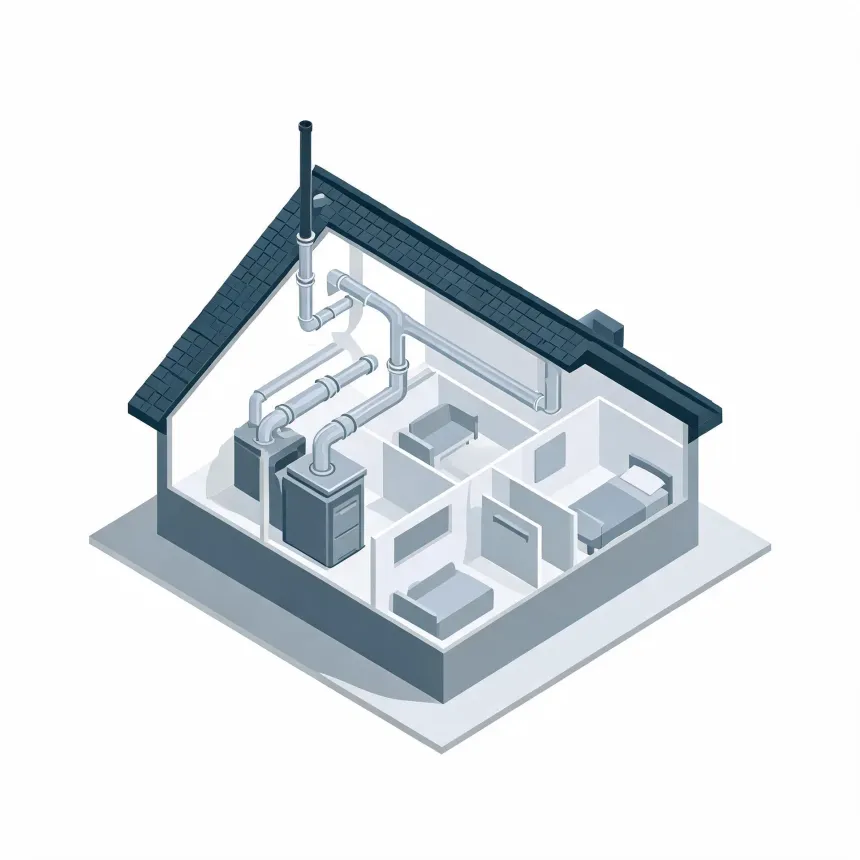
Isometric illustration of a cutaway house showing a furnace unit with ductwork and a flue pipe running through the interior rooms, which contain simple furniture.
Your furnace works hardest from November through March.

NOAA nClimDiv, 1991–2020 normals

Gas heats 74.6% of homes in St. Louis County.

A gas furnace is the system most contractors here install and service every week.

Cheap gas won't pay for a high-efficiency furnace. Pick one that keeps running when the power doesn't.

Climate zone 4A
Heat runs October through April
Winter nights average 26°F
Built for the House You HaveHalf the homes in St. Louis County were built in 1969 or earlier, and a new furnace has to work with that house, not the one in a showroom.

Florissant sits in climate zone 4A, a mixed zone that asks real work of both the furnace and the AC. Any furnace installed here has to clear the federal minimum for that zone: 80 percent efficiency, meaning at least 80 cents of every dollar of gas becomes heat in the house instead of going out the flue. That floor rises to 95 percent for furnaces built on or after December 18, 2028. Buy ahead of that date and a unit can still legally come in at 80 percent. A furnace that clears today's minimum by a wide margin is worth asking a contractor about too, since higher-efficiency equipment can qualify for a federal tax credit. The number on the spec sheet tells you more than the brand name does.

Plan This Installation Around the Power Going Out

A furnace installation is a chance to decide where the outdoor equipment sits and how it's protected before the next hailstorm or windstorm comes through. It's also a chance to talk through backup heat and hot water for when the power goes out, since the furnace won't run without it even on gas. Both are easier to plan now than to figure out after a storm.

Find a contractor
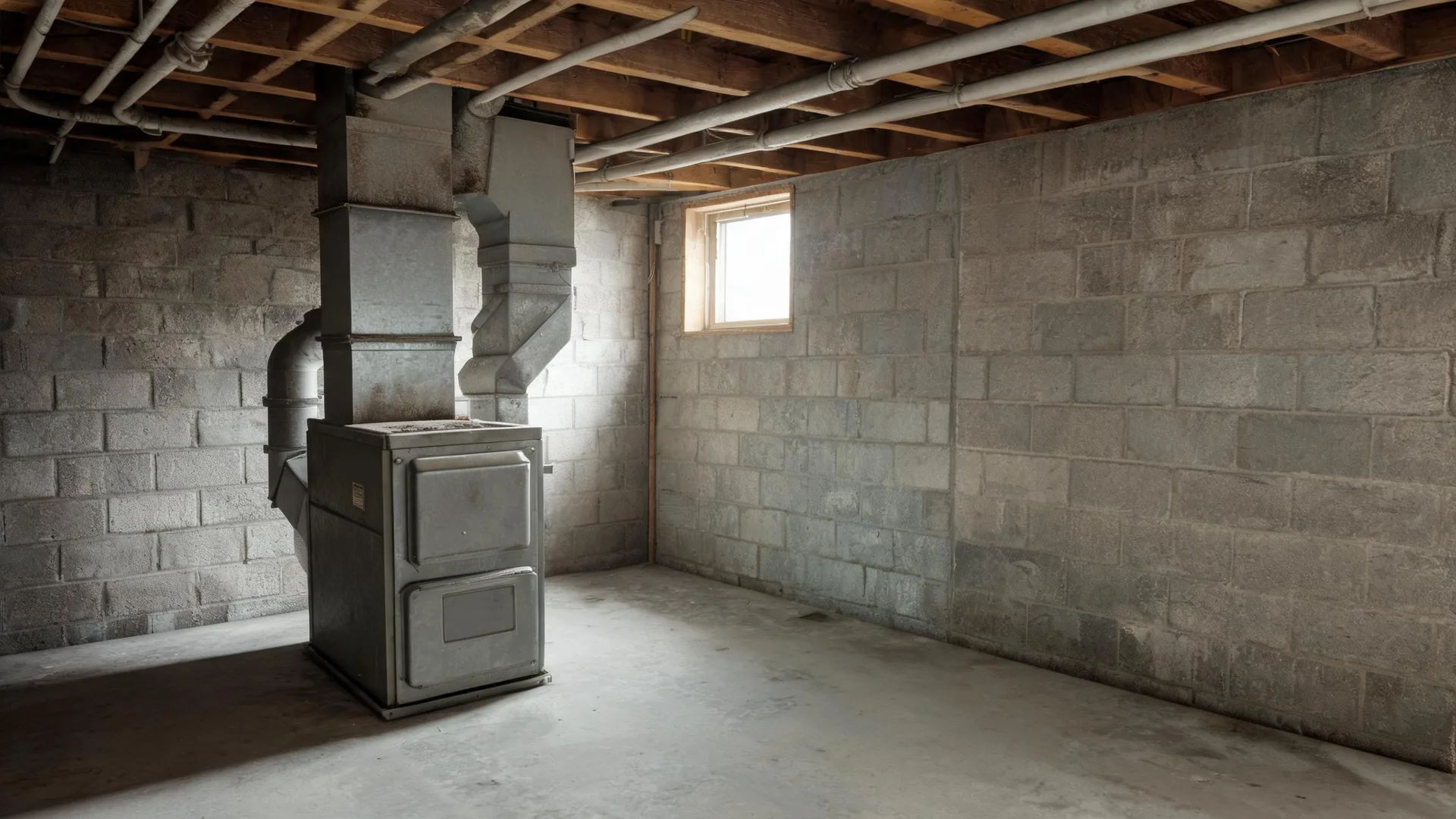
A gray residential gas furnace installed in an unfinished basement, connected to sheet-metal ductwork and PVC pipes.

Seven Months of Work Start in October

Furnace season here runs seven months, October through April. That's most of the year the system is on. September is the last easy month to replace one, before the first cold mornings put a load on it and before a breakdown means going without heat while you wait on a contractor. A furnace installed in September gets a few weeks to settle in and get checked over before it has to work for real.

The Old Furnace Doesn't Get Reused

A furnace that comes out during a replacement isn't kept as a spare or moved to another house. The heat exchanger has usually taken years of heating and cooling cycles by the time it's pulled, and that metal fatigue doesn't reverse. Once it's disconnected, a licensed contractor handles getting it off the property and disposed of properly, since old units contain refrigerant lines, insulation and sometimes a crack in the heat exchanger that made replacement necessary in the first place.

The New One Isn't a Straight Swap

Pulling the old furnace is the easy part. The gas line, the vent pipe and the ductwork connected to it were all sized and routed for that unit, and a new furnace with different efficiency or a different cabinet size may need those connections adjusted to match. A contractor checks the venting especially, since a high-efficiency furnace vents differently than an older low-efficiency one and can't just reuse the same pipe.

An unfinished basement featuring concrete block walls, exposed floor joists, a bare concrete floor, and a forced-air furnace with a large metal exhaust duct in the corner.

A high-efficiency gas furnace would save about $160 a year to run in St. Louis County compared with a gas furnace.

  • A high-efficiency gas furnace$730 a year
  • A gas furnace$890 a year

Estimates for a typical St. Louis County home, from EIA household energy data, Missouri fuel prices and NOAA climate normals. Your home will differ.

Installation day starts with the old furnace coming out, and that takes longer than people expect once the gas line, the vent pipe and the return ductwork all have to be disconnected cleanly. The new furnace gets set in place and leveled, then the gas line gets connected and tested for leaks before anything else happens. Venting comes next, and this is where a lot of the real work is, since the pipe has to be sized and routed to match how that specific furnace exhausts, not just hooked back to whatever was there before. Electrical and the thermostat wiring get tied in, the ductwork gets sealed back to the cabinet, and then the furnace gets fired up and run through a full cycle while the contractor checks gas pressure, airflow and temperature rise against what the manufacturer specifies. A furnace that passes all of that gets left running, not just switched on and signed off.