What You're Really Paying For
The size of the furnace matters more than anything else on the invoice. A unit sized to the house costs what it costs. One sized by guesswork either runs short on the coldest days or cycles on and off so often it wears out early. Getting the size right means someone calculates the heat loss of the house room by room, not just the square footage. That calculation takes time, and it should show up as a line item, not a skipped step.
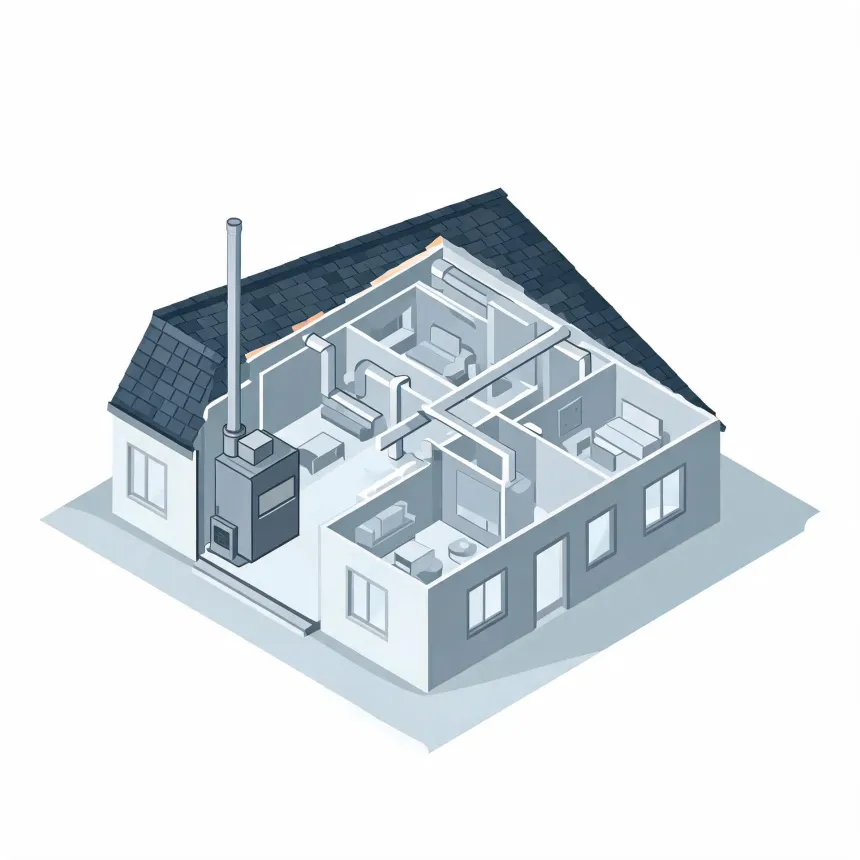
After sizing, the ductwork decides a lot. If the existing ducts are the right size and in good shape, the new furnace connects to what's there. If they're undersized, leaky, or were built for a different furnace, they need work before the furnace can do its job. A furnace is only as good as the air it can actually push through the house.
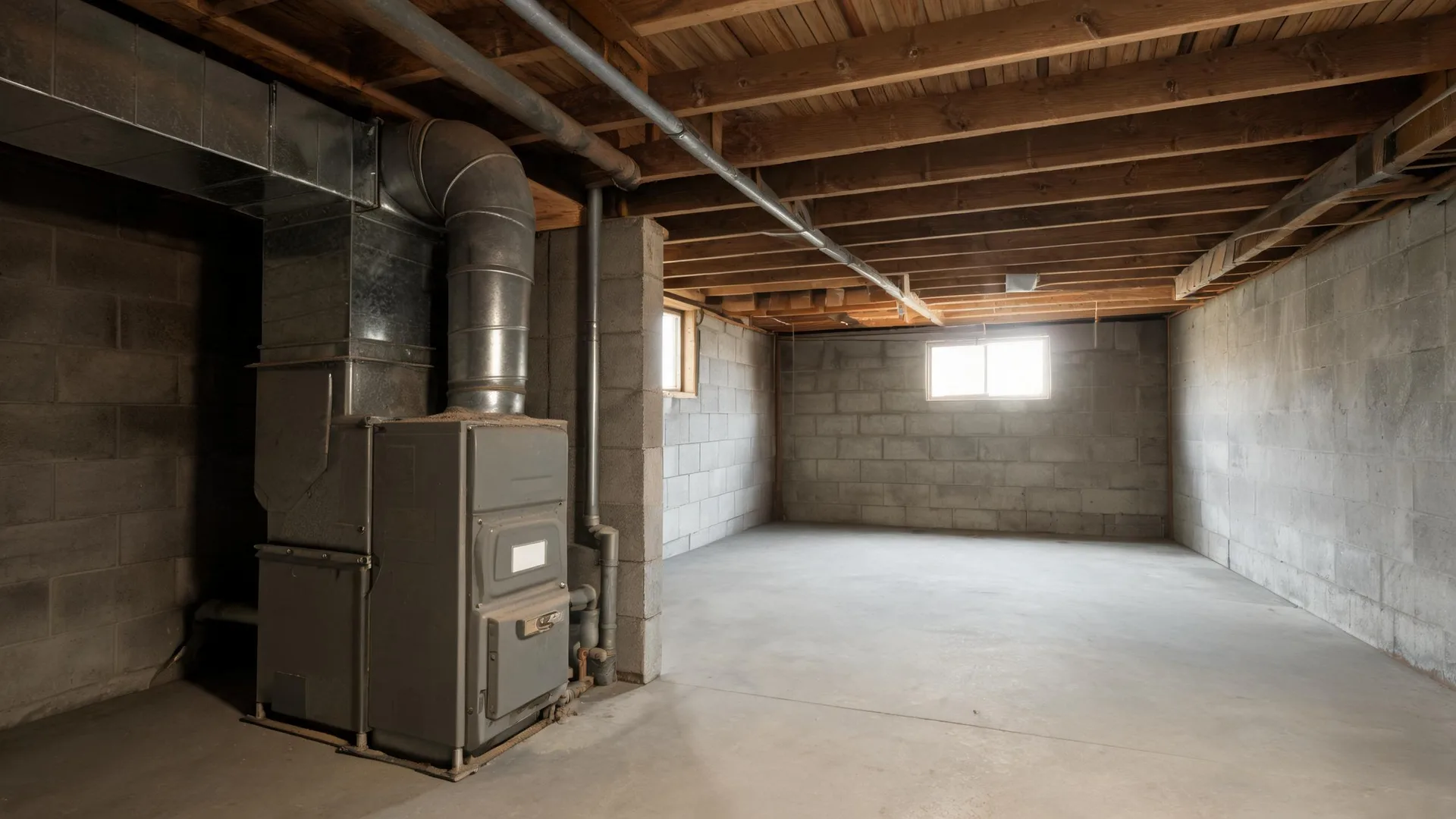
The furnace itself has tiers. A single-stage furnace is either on at full output or off. A two-stage or variable-speed furnace runs at a lower output most of the time and only opens up on the coldest days, which asks less of the blower motor and the heat exchanger over the life of the unit. That difference in equipment is where a lot of the price spread comes from.
Venting is part of the job too, not an extra. A high-efficiency furnace vents differently than an older style, and if the venting has to be rerouted, that's labor the homeowner should expect to see accounted for. The same goes for the thermostat, the return air setup, and any electrical work the new furnace needs. None of it is optional once the contractor sees what the house actually has.