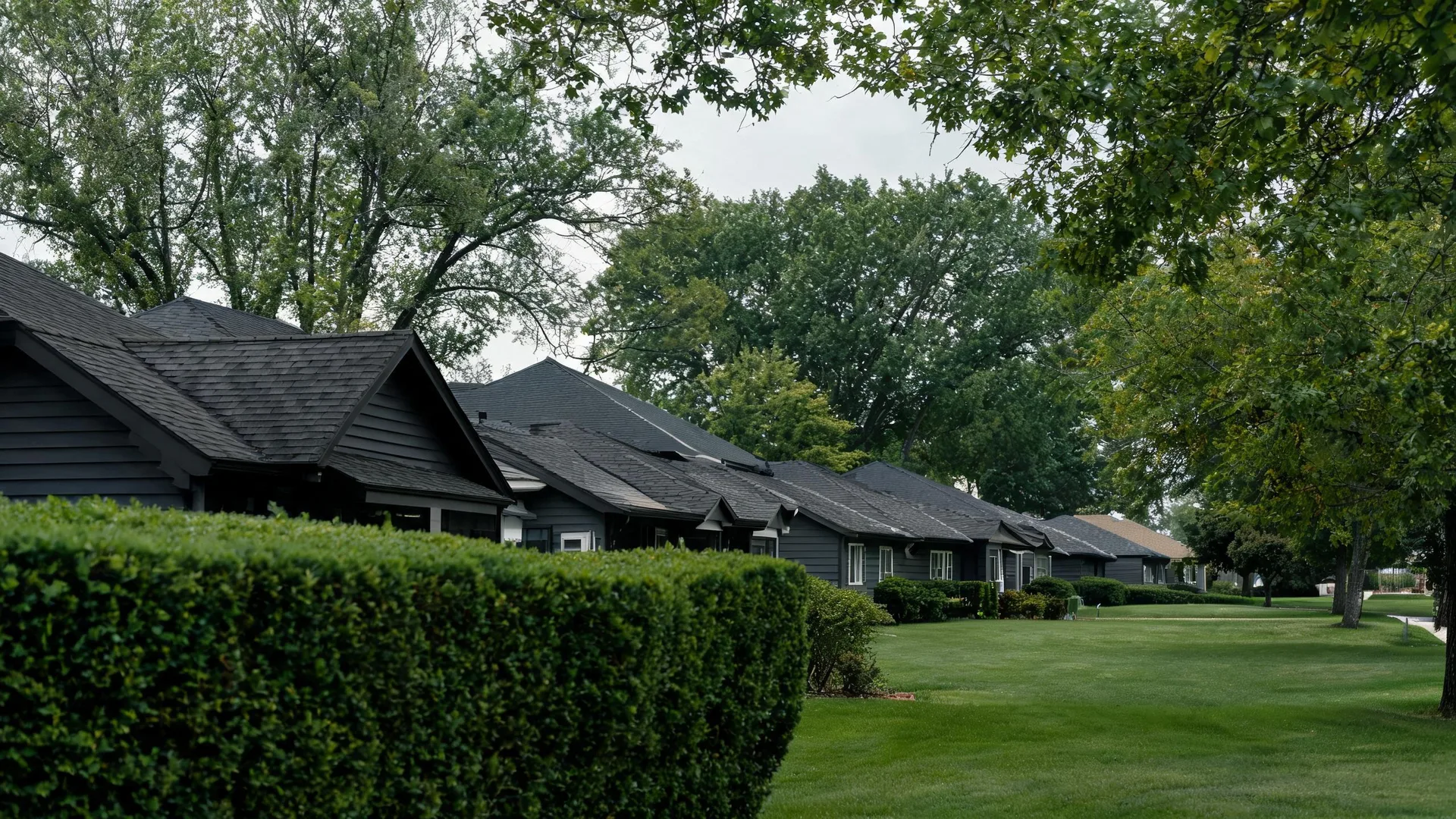






A row of dark-sided single-story houses with gray shingled roofs behind a trimmed hedge, with mown lawn and large deciduous trees under an overcast sky.

Furnace Installation in Parkville, MO

Tell us about the job

Takes about a minute. No obligation.

New system or replacementFurnace or heatingPlatte County, MO
Step 1 of 2

What ZIP code is the job in?

Platte County saw 169 severe weather events between 2015 and 2024. Most of that was wind and hail, 68 damaging wind events and 90 hail events over those ten years, with one tornado and 10 winter storms mixed in. A new furnace sits through all of that. Ice and heavy snow strain the system right when you need it most, and a power cut takes out the blower and the ignition even if the gas is still flowing. Statewide, 19% of households went at least a full day without power in 2024. A furnace installed here should be set up with that in mind, not just the cold.

7 months
October through April, your furnace is on duty
22°F
the average winter night it heats against
58%
of homes here heat with gas, so most furnaces here burn gas
80% AFUE
the federal minimum any new unit must meet
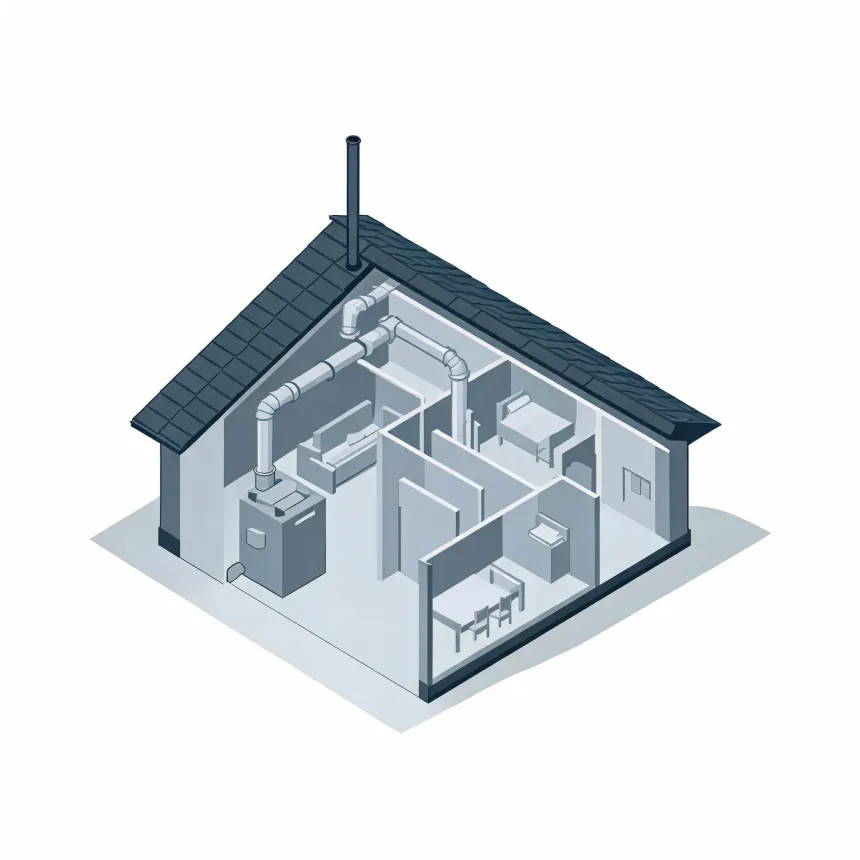
Isometric cutaway illustration of a small single-story house showing interior rooms with furniture, a furnace unit with attached ductwork running to a roof flue, and a dark shingled roof.
Your furnace works hardest from November through March.

NOAA nClimDiv, 1991–2020 normals

The old furnace doesn't get left in place as a backup.

A contractor disconnects the gas line, the vent, the ductwork and the wiring, then hauls the whole unit out before the new one goes in.

Seven months of heat start in October. Get it in before then.

Heat runs October through April
Winter nights average 22°F
Climate zone 4A
Most Furnaces Here Run on GasUtility gas heats 58.1% of homes in Platte County, replacement is usually gas to gas

Platte County falls in climate zone 4A, which asks real work of both the furnace and the AC over the year. Any furnace installed here has to clear a federal efficiency floor. Furnaces built from November 2015 on have to turn at least 80 percent of the gas they burn into heat. That floor rises to 95 percent for furnaces built from December 2028 on, so what counts as compliant will change before long. A high-efficiency furnace installed now may already clear that bar, worth asking a contractor directly. Buying one that qualifies can also open up a federal tax credit.

Plan this furnace for the power cut, not just the cold

Wind and hail are the ones that show up most in this county, and a winter storm is exactly when a furnace earns its keep. If the power drops, gas heat alone won't do it, the blower and the ignition need electricity too. Worth asking a contractor about surge protection for the new system and what, if anything, can keep it running through an outage.

Find a contractor
A man in a dark jacket, tan work pants and a cap, seen from behind, climbs stone steps toward a blue front door while carrying a canvas tool bag, with a blue planter of greenery at left.
A gray high-efficiency gas furnace installed in an unfinished basement, surrounded by gas lines, a condensate drain, and sheet-metal ductwork.

What You're Actually Paying For

What you pay for in a furnace installation is mostly labor and judgment, not the box itself. A contractor has to size the unit to the house, a furnace that's too big short cycles and wears out its parts faster, one that's too small runs constantly and still can't keep up. Getting that size right takes a load calculation, not a guess based on the old unit. Beyond sizing, the vent and flue have to be run correctly for the fuel this furnace burns, the ductwork often needs adjusting to match the new blower, and the gas line and electrical hookup have to meet code, not just fit. A furnace with a variable speed blower or a two stage gas valve costs more up front and costs more to install correctly, since there's more wiring and more setup involved. None of that shows up in a sticker price on a showroom unit. The installation is where a furnace earns a long life or a short one.

Ask what happens to the furnace in a power cut

A gas furnace still needs electricity to run the blower and fire the ignition. Ask whether the system can pair with a battery backup or a transfer switch, and whether the control board has surge protection built in. A furnace that survives a power spike when the grid comes back on is worth more than one that doesn't.

Ask for the load calculation, not an estimate

Sizing a furnace off the old unit's capacity skips the part that matters. A proper load calculation accounts for the house itself, and it's the only way to know the new furnace won't short cycle or run nonstop trying to keep up. Any contractor worth hiring will walk through this with you before naming a unit.

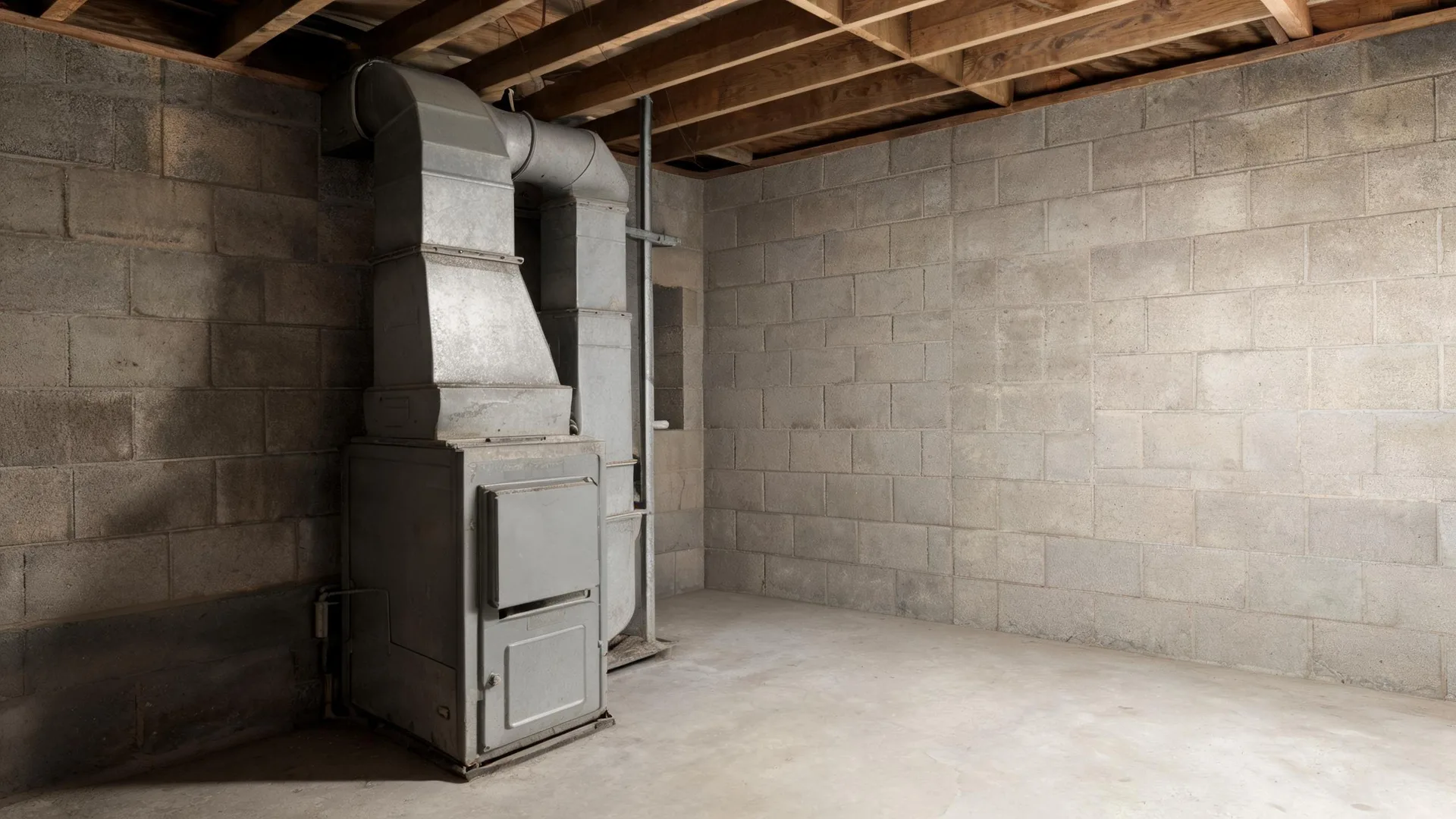
A gray forced-air furnace with ductwork stands in an unfinished concrete basement surrounded by storage items and clutter.

A high-efficiency gas furnace would save about $170 a year to run in Platte County compared with a gas furnace.

  • A high-efficiency gas furnace$810 a year
  • A gas furnace$980 a year

Estimates for a typical Platte County home, from EIA household energy data, Missouri fuel prices and NOAA climate normals. Your home will differ.

Installation day starts with the old furnace coming out, so the house has no heat while the work is underway. A contractor will walk through the plan first: where the new unit sits, how the vent pipe routes, whether the ductwork needs any changes to match the new blower. Cutting in a new vent or adjusting duct runs makes dust, and moving the furnace itself takes more than one person. Once it's set, the gas line gets connected and pressure tested before anything is fired up. The electrical hookup comes next, then the control board and thermostat wiring get checked against each other. Before the crew leaves, the furnace should run through a full cycle while someone checks the flame, the airflow at the vents, and the carbon monoxide reading at the exchanger. That last check matters more than it sounds. A furnace that looks installed correctly can still vent wrong, and the only way to know is to test it running, not just look at it standing still.