
Heat Pump Installation in Missouri
Across the counties where its people live, Missouri recorded more hail from 2015 to 2024 than 36 of the other 47 states.
Tell us about the job
Takes about a minute. No obligation.
- 25°Fwinter overnight low where people live
- 7 monthsof heat, October through April
- 87°Fsummer afternoon high where people live
- 4 monthsof cooling, June through September
Missouri doesn't ask anything extra of a heat pump heat about seven months, cool about four
- Cooling needed most in Pemiscot County, least in Putnam County
- Winter nights average 25°F where people live
- Summer afternoons average 87°F where people live
- Heat runs October through April
- Cooling runs June through September
- 1,027 winter storms from 2015 to 2024


- One system handles both heating and cooling, so there's no separate furnace and condenser to maintain on different schedules
- A correctly sized unit runs long, steady cycles instead of short blasts, so indoor temperature holds steady
- Moving heat instead of burning fuel means no flame and nothing to vent
- Matching the outdoor and indoor units lets the system reach its rated efficiency instead of falling short
- A fresh refrigerant charge and clean coils mean the unit isn't working harder than it has to

Gas heats close to half the homes in Missouri, more than any other fuel, and electricity comes in second. A home switching off gas already has ductwork in place, and a contractor will size the new heat pump to that ductwork rather than assume it matches the furnace coming out.
A heat pump does the same two jobs one furnace and one condenser used to do, so there's just the one system to size right. There's no flue and no combustion air to plan for, since nothing is burning. What matters more is the match between the indoor and outdoor units. Get that right and the system runs long, steady cycles instead of short bursts that leave the coldest days struggling to keep up.
Install before October, not after
Heat runs October through April here, about seven months. Installing before October means the old system's last winter is on your terms, not the coldest week of the year forcing a decision. It also gives a contractor time to size the unit and check the ductwork without rushing the job to get heat back on that day.
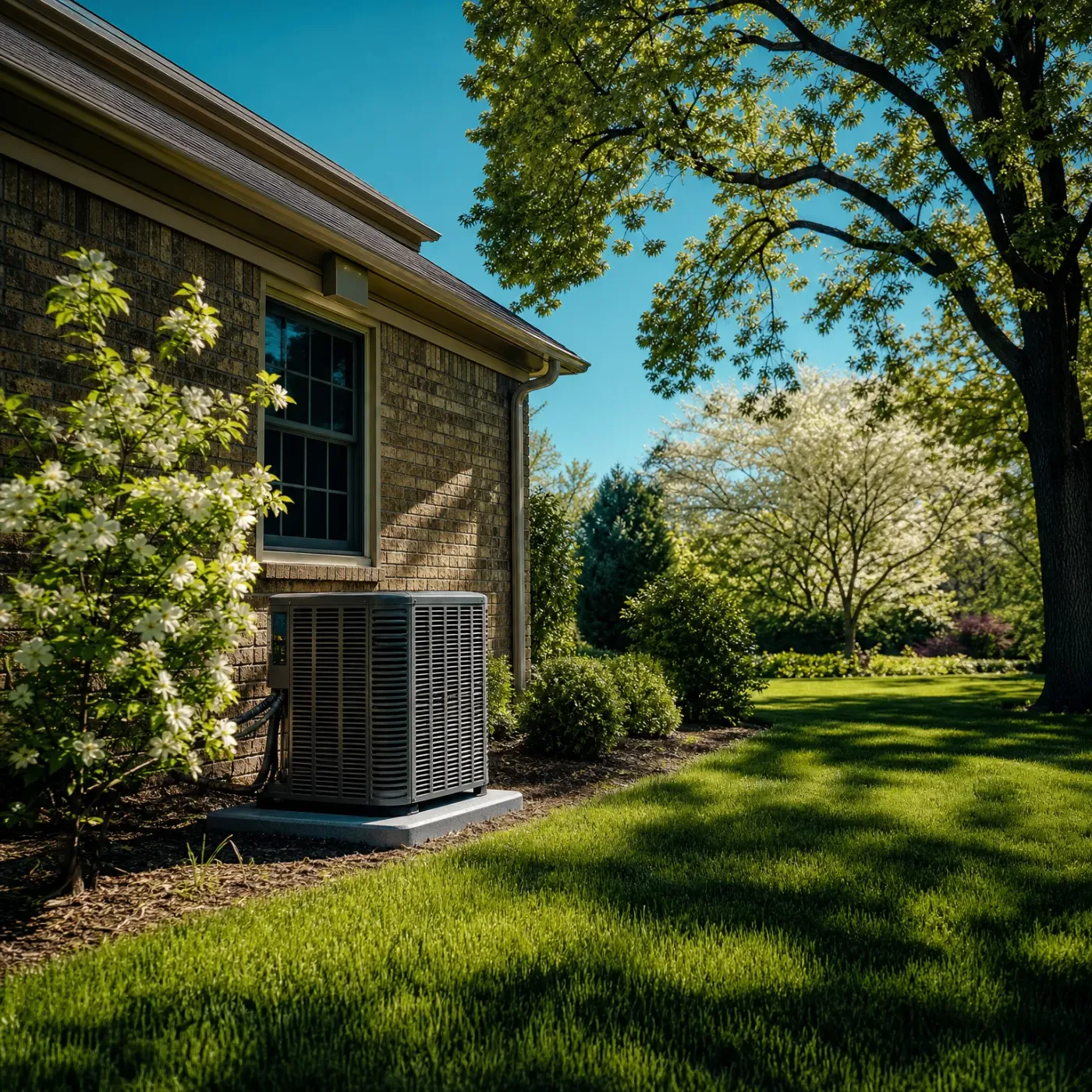
4 months of cooling, June through September
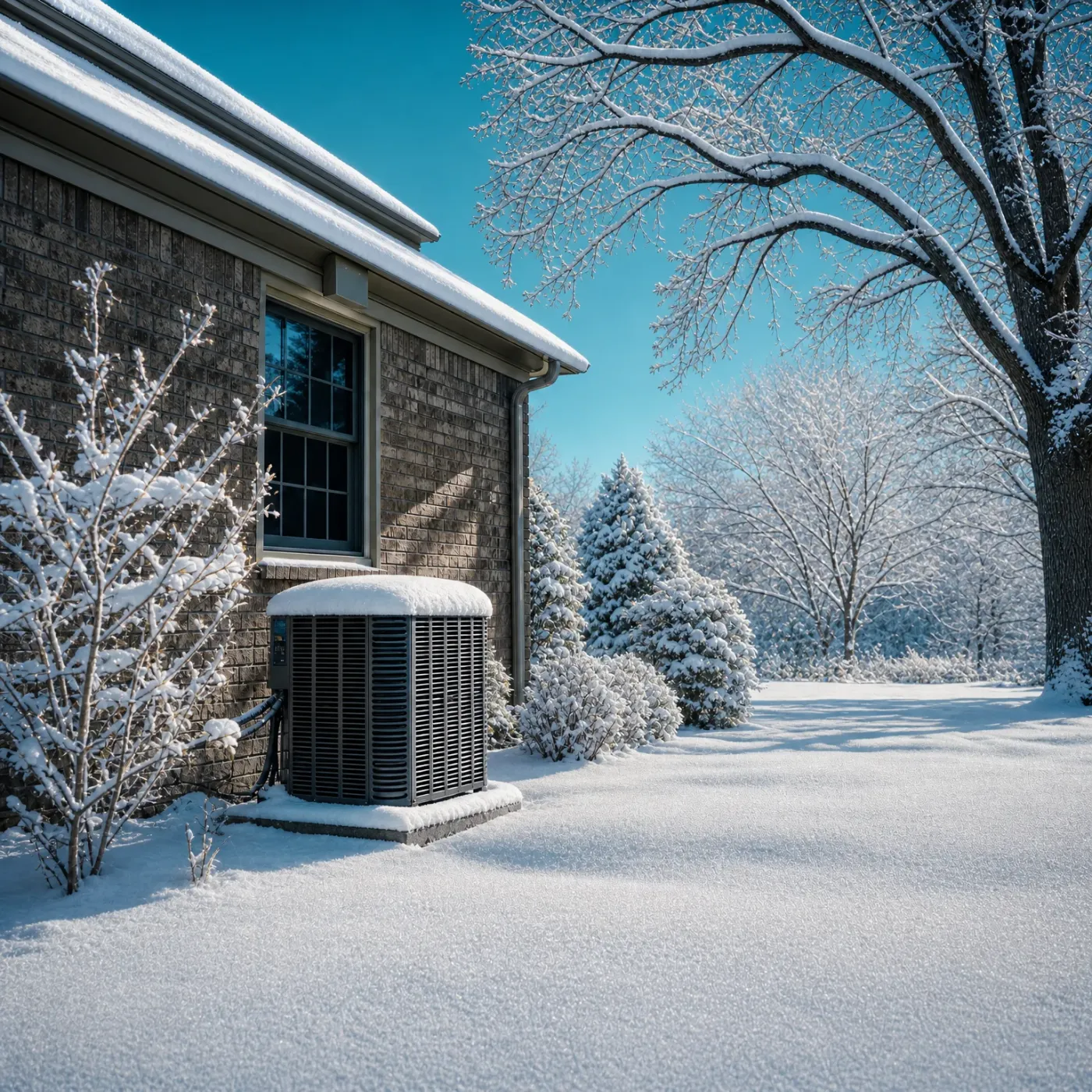
7 months of heat, October through April
Missouri runs north to south, and a heat pump sized for one end works harder than it should at the other. Across the state's northern counties, homes need about 12% more heat over a year than homes in the south. That's the gap a contractor sizing your system has to know about before anything else.
Worth County, in the north, sees winter lows averaging 18°F across December, January and February. Pemiscot County, in the far southeast, averages 32°F those same months. A heat pump has to cover both ends of that range somewhere in this state, and the unit that keeps up on an 18°F night isn't the same one that's right for a county that rarely sees cold like that.
Heating need swings even harder than those lows suggest. Putnam County needs about 65% more heat over a year than Pemiscot County, where Missouri's heating need is lowest.
Cooling splits the other way, and by more. Pemiscot County needs about 80% more cooling over a year than Putnam County, where the state's cooling need is lowest. The same two counties that sit far apart on heat trade places on cooling, which is why a system has to be sized to where it's going, not to Missouri as a whole.
An outdoor unit sits outside year-round, through whatever the weather there brings. Missouri recorded 3,918 hail events between 2015 and 2024, more than most other states see. That's not a sizing question, but it's part of what the unit outside your house sits through.
What does a heat pump in Missouri face?
How hot do summer afternoons get?
87°Faverage afternoon high where people live
Alaska66°F
Arizona101°F
How cold do winter nights get?
25°Faverage overnight low where people live
North Dakota4°F
Hawaii65°F
How many months does the heat run?
7 monthsof heating a year
Hawaii0 months
Alaska12 months
What does electricity cost?
12.91¢per kWh (kilowatt hours, the unit on an electric bill), what homes paid in 2024
North Dakota11.51¢
Hawaii42.86¢
How often do storms hit?
186severe weather events per county from 2015 to 2024
Alaska5
Wyoming1,057
How many homes lost power for a day or more?
19%of homes in 2024
Arizona7%
Maine54%
A standard heat pump fits a standard bill here
Electricity runs 12.91 cents a kilowatt-hour here, cheaper than in most other states. Homes that run air conditioning used 7.8 million Btu (British thermal units, a measure of heat) of electricity for it in a year. Neither number points to a bigger unit or a higher efficiency tier to keep the bill down. A heat pump sized to the home and matched to the ductwork already there covers what this state asks of it.
What happens to the old furnace and condenser
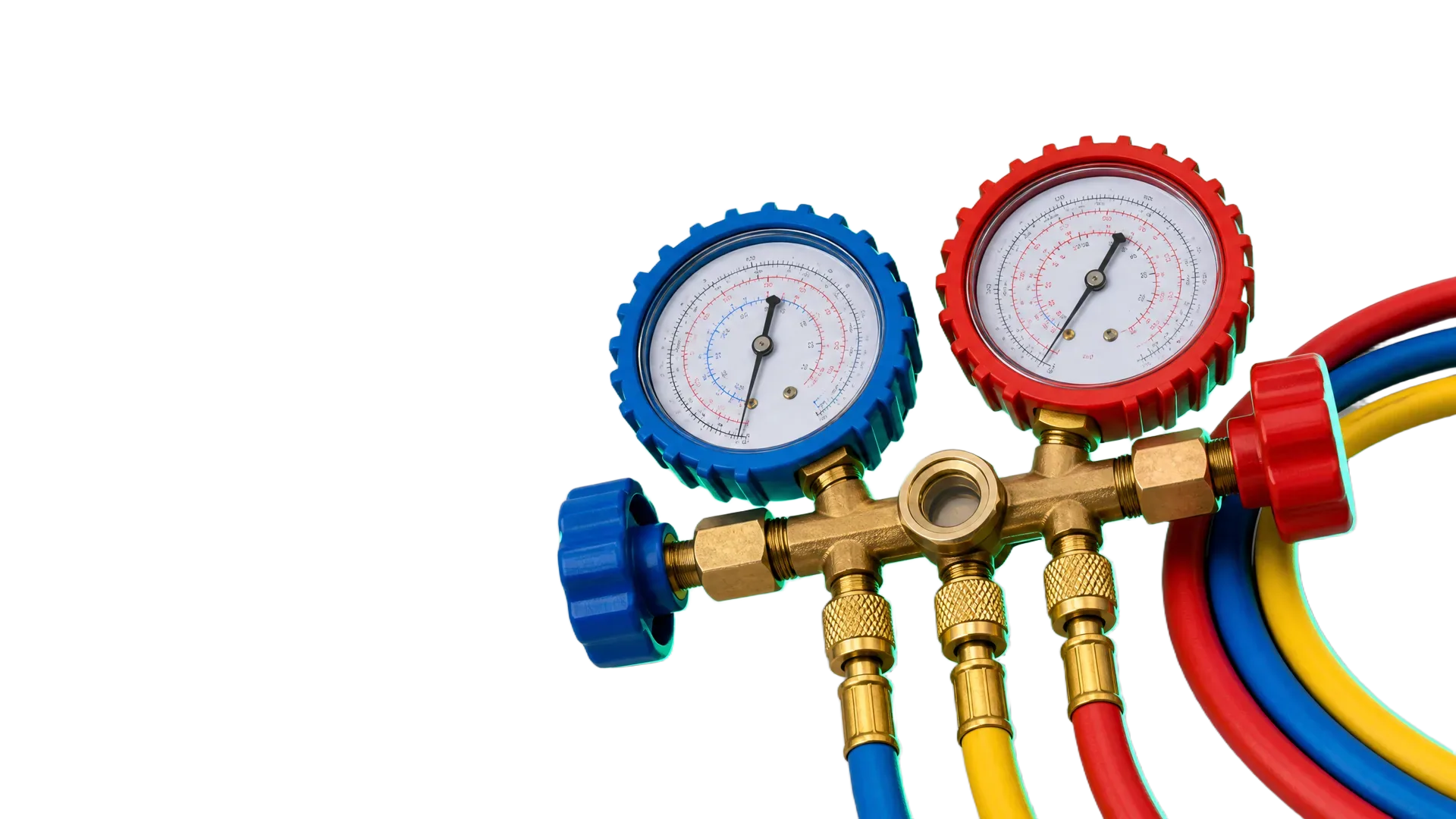
The old furnace and condenser don't stay behind as backup. Once the heat pump goes in, both come out, and the gas line to the furnace gets capped off if nothing else in the house uses it. A contractor disconnects the condenser's refrigerant lines and electrical whip, and pulls the furnace from the plenum so the new air handler or coil can take its place. If the furnace is in a closet or attic space, that space is now open for whatever the new equipment needs, which usually isn't the same footprint. Any abandoned flue or vent pipe that ran from the furnace to the roof or wall gets removed or capped, since there's no combustion gas left to carry outside. Scrap haulers take the old units for the metal, so there's rarely a reason to store them. The thermostat usually comes out too, since a heat pump reads the system differently than a furnace and needs its own control to run both heating and cooling correctly.
An older home doesn't need a different system
Half the homes in Missouri were built in 1978 or earlier, and most of the state's housing is detached or attached single-family houses. Neither fact changes what a heat pump needs to do here. An older house takes a heat pump as well as a new one, provided the ductwork is in decent shape and sized to the unit going in. A contractor sizing the system works from the house in front of them, not the year it was built. Nothing here points to upsizing the unit or paying for a higher efficiency tier than the house actually calls for.
Get your heat pump sized and in before October, so winter isn't what forces the decision.
Tell us about the job
Takes about a minute. No obligation.
Fill out the form once, and a licensed Missouri contractor sizes the system to your home and your county.