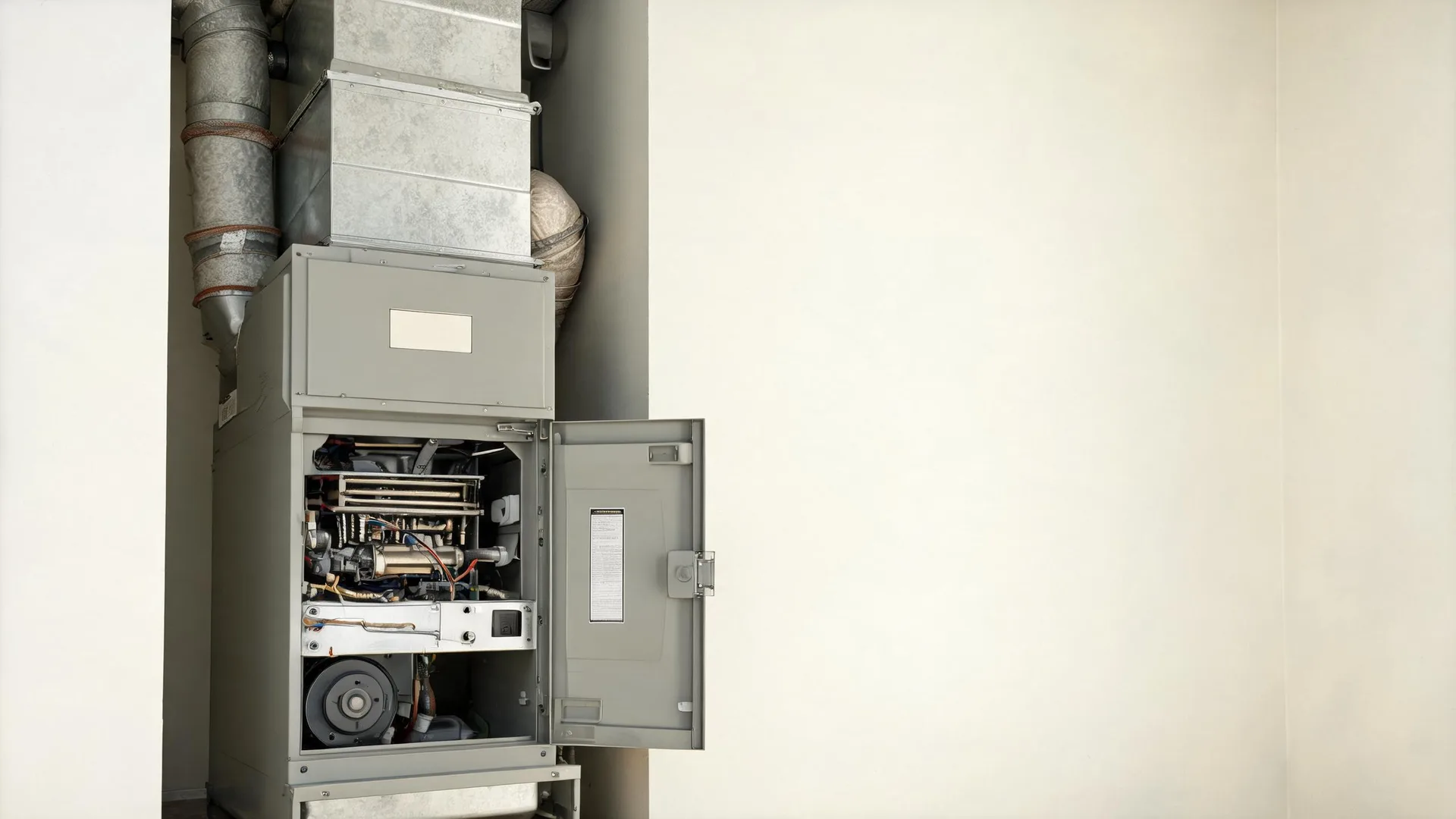
Electricity here runs $37.84 per million Btu
Missouri homes paid $37.84 per million Btu of electricity in 2024. Most furnaces in this area run on electric heat, so that rate is what drives the winter bill, month after month.
Takes about a minute. No obligation.
Missouri homes paid $37.84 per million Btu of electricity in 2024. Most furnaces in this area run on electric heat, so that rate is what drives the winter bill, month after month.
A new furnace runs on that same electric rate for as long as it's in the house. How well it converts power into heat decides whether this winter's bill is the shape of every winter's bill.
NOAA nClimDiv, 1991–2020 normals
Two furnaces can carry the same heat output rating and still turn electricity into heat at different rates.
Ask for that rate in writing, not just the size of the unit, since that number is what decides the bill every winter it's running.




Jefferson County sits in zone 4A, a rating that asks real work of a furnace in both directions. That's the floor regulators set for the region, but it's written for gas furnaces specifically. Gas units built on or after November 19, 2015 have to turn at least 80 percent of the fuel they burn into heat over the winter, a number that climbs to 95 percent for units built on or after December 18, 2028. Most furnaces going into homes here run on electricity instead, so this gas floor won't be what decides the unit in your house. Ask whichever furnace is being installed, gas or electric, what its efficiency rating is and how that number was set, since that's the one that follows the furnace for as long as it runs.
At $37.84 per million Btu, the furnace you choose now is the one setting your winter bills for years. Get the efficiency rating in writing before it's installed, not after.
Find a contractorA furnace that's too big for the house turns on, blasts heat fast, and shuts off again before it's done warming the rooms farthest from it. That start-stop pattern is hard on the heat exchanger and the blower motor, both of which take more wear from cycling on and off than from running steady. A furnace that's too small never gets that rest. It runs long stretches, sometimes close to nonstop in the coldest weather, straining to hit the temperature on the thermostat and often falling short. Getting the size right isn't a matter of matching the old unit or rounding up for safety. A contractor works it out room by room, accounting for the square footage, the windows, the insulation, and how the ductwork moves air through the house. That calculation is what decides the size, not the size of whatever furnace happened to be in the house before.
Once a furnace comes out, it's done. The heat exchanger has been through years of heating and cooling cycles, and that metal fatigue doesn't show up until it cracks. No contractor reinstalls a used furnace elsewhere or keeps it as a spare for that reason.
Disconnecting the old unit means dealing with whatever it ran on: sealing off a gas line, capping a vent, or freeing up the electrical circuit it used. The new furnace may need that same connection point set up differently, especially if the two units don't match in size or venting style.
Installation price comes down to what the job actually involves, not just the unit on the invoice. Running new gas line or venting costs more than connecting to what's already in place. If the ductwork is undersized or leaky, bringing it up to a standard that matches the new furnace adds to the job, and skipping that step means the new furnace never performs the way its rating says it should. Electrical work is its own line item if the circuit the old unit used doesn't match what the new one needs. Where the furnace sits matters too. A straightforward swap in the same spot takes less work than relocating it, rerouting ducts, or fitting it into a tighter space than the old one occupied. None of that shows up on the furnace's price tag, but all of it shows up on the bill for putting it in.
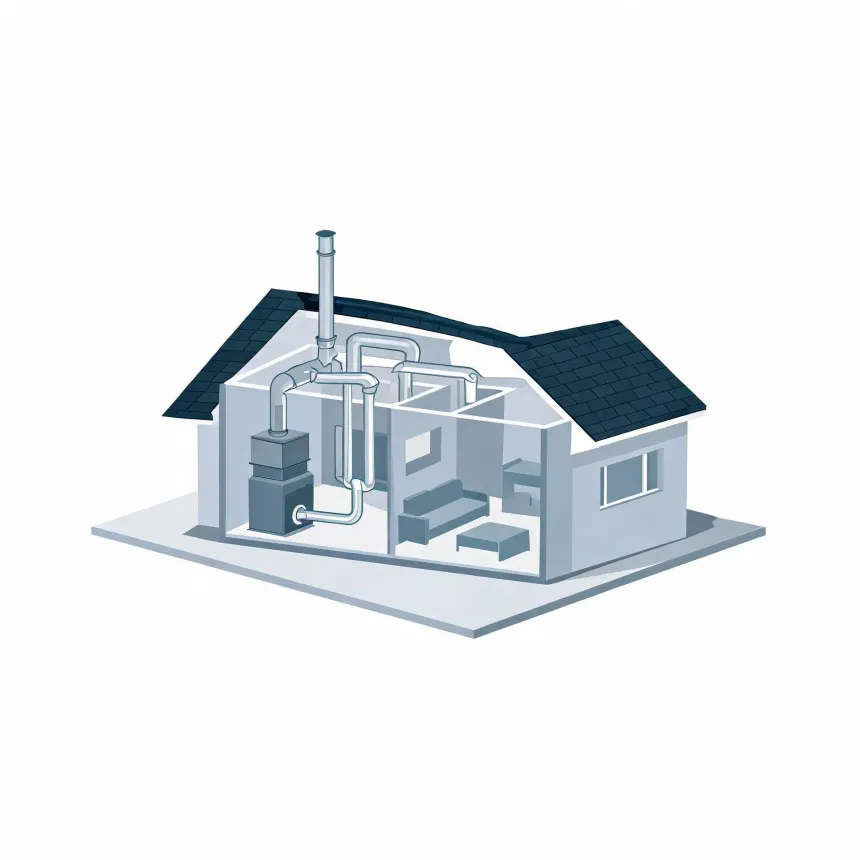
Installation day starts with the old furnace coming out, then the new one goes through steps that don't show up on a spec sheet. The gas line gets connected and tested for leaks before anything is fired up. The vent or flue gets tied in so exhaust has a clean path out of the house, matched to what that specific furnace needs. The ductwork connects to the plenum, and any gaps there get sealed, since a leaky connection right at the furnace undercuts everything downstream of it. Once it's hooked up, a contractor runs it through a full cycle, checking the flame, the temperature rise across the heat exchanger, and the blower speed against what the manufacturer specifies. A furnace that fires up but never gets that check is a furnace nobody has actually confirmed is working right.