
Heat Pump Repair in Missouri
Across the counties where its people live, Missouri recorded more hail from 2015 to 2024 than 36 of the other 47 states.
Tell us about the job
Takes about a minute. No obligation.
- 25°Fwinter overnight low where people live
- 7 monthsof heat, October through April
- 87°Fsummer afternoon high where people live
- 4 monthsof cooling, June through September
Missouri doesn't put unusual strain on a heat pump Heat and cold just split the year
- Cooling needed most in Pemiscot County, least in Putnam County
- Winter nights average 25°F where people live
- Summer afternoons average 87°F where people live
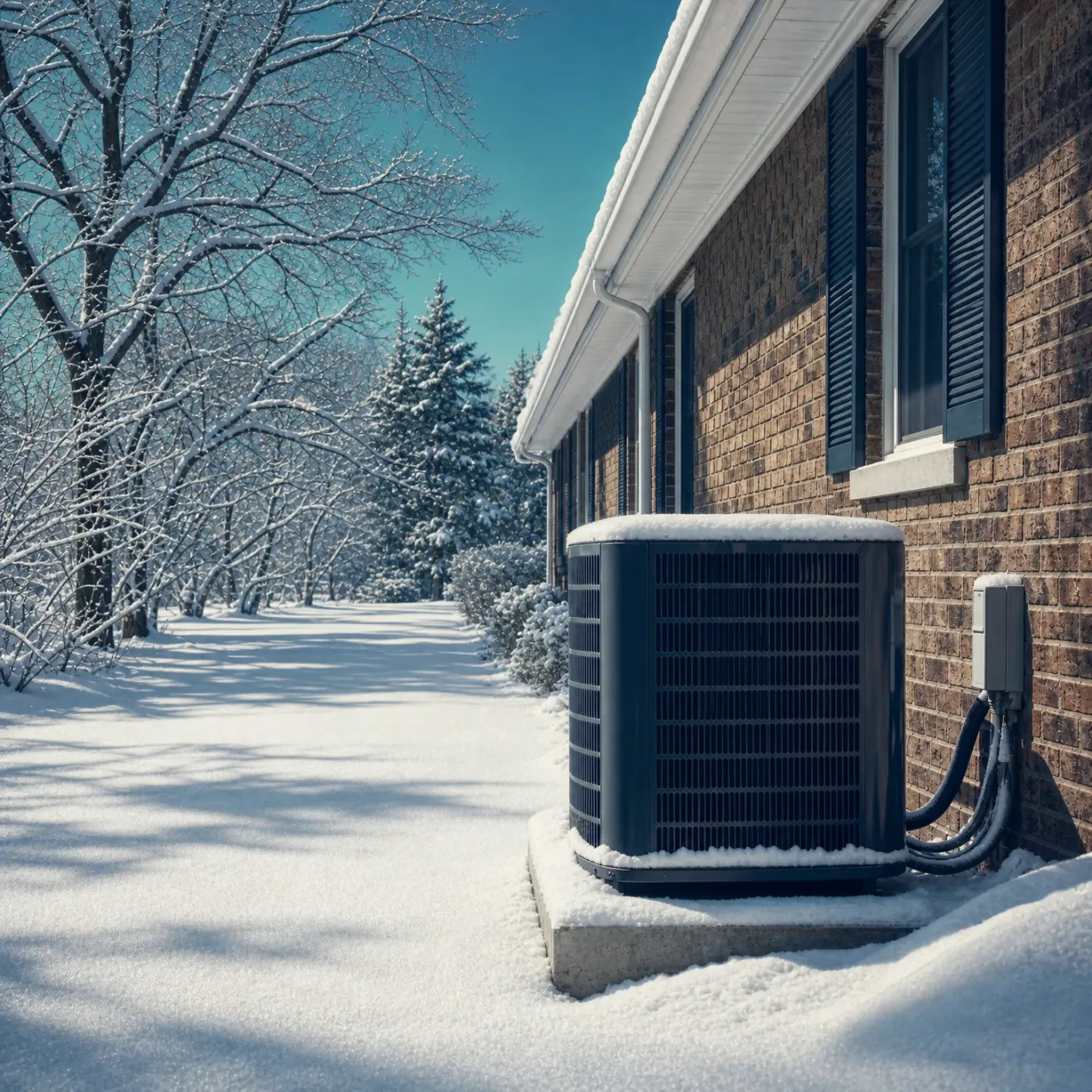
- Heat runs October through April
- Cooling runs June through September
- 1,027 winter storms from 2015 to 2024


Most homes in Missouri are detached single-family houses, not apartments or townhomes, and that's true across the state. A heat pump setup is designed around that kind of structure from the start, so the usual repairs apply here the same as anywhere else.
Half the homes in Missouri were built in 1978 or earlier, which puts the state a bit older than most of the country. That's not rare for this trade and it doesn't change how a heat pump fails. A capacitor weakens, a contactor sticks, or the refrigerant charge runs low, and that's just as true for a system installed last year as one installed decades back.
When a heat pump here is most likely to act up
October is when heat pumps here switch over to heating full time, after September runs the system in cooling or not at all. That switch is where a weak part finally gets found. A contactor that was sticking in September now has to hold in for the next seven months. A low charge that barely showed up on mild days starts costing real capacity once the heat pump has to work against the cold. Same story in reverse come June, when four months of cooling load lands on whatever got by all winter. Get a system checked in May or September, before the season needs it, and the weak part gets found on a mild day instead of a cold one.
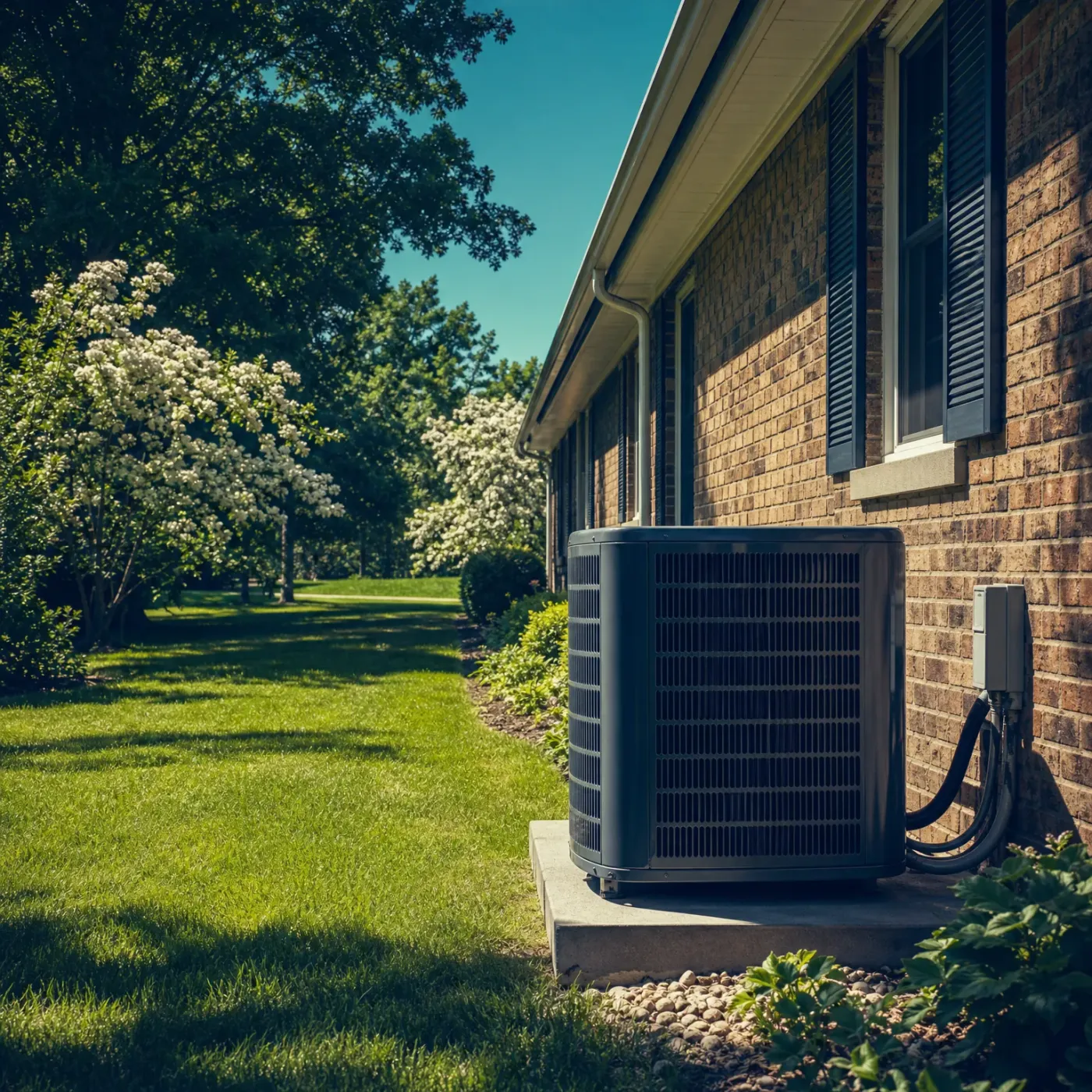
4 months of cooling, June through September
7 months of heat, October through April
A heat pump works a lot harder in some parts of Missouri than others. Homes in Pemiscot County need about 80% more cooling over a year than homes up in Putnam County, where cooling need is lowest in the state. That gap alone is enough to wear a capacitor or a contactor down faster in the places that lean on cooling hardest.
Heating runs the other way. Putnam County needs about 65% more heat over a year than Pemiscot County, where heating need is lowest in the state. Missouri's northern counties as a whole need about 12% more heat over a year than the southern counties. So a heat pump working a northern county is leaning on its heating cycle more than one working the south, and that's the side of the system worth checking first when something's off up there.
Worth County sees winter nights average 18°F across December, January and February. Pemiscot County's winter nights average 32°F. A heat pump pulling heat out of 18°F air is working against a lot more than one pulling heat out of 32°F air, even on the same night in the same state. If the system is short on refrigerant or the defrost cycle isn't kicking in right, the colder county is where that shows up first and worst.
None of this means Missouri is unusually hard on a heat pump overall. It means the state splits two ways, north against south, and whichever side of that split a home sits on points to where to look first. A home in Putnam County is more likely to turn up a heating-side problem. A home in Pemiscot County is more likely to turn up a cooling-side one. Same machine, same usual parts, just a different place to start looking.
What does a heat pump in Missouri face?
How hot do summer afternoons get?
87°Faverage afternoon high where people live
Alaska66°F
Arizona101°F
How cold do winter nights get?
25°Faverage overnight low where people live
North Dakota4°F
Hawaii65°F
How many months does the heat run?
7 monthsof heating a year
Hawaii0 months
Alaska12 months
What does electricity cost?
12.91¢per kWh (kilowatt hours, the unit on an electric bill), what homes paid in 2024
North Dakota11.51¢
Hawaii42.86¢
How often do storms hit?
186severe weather events per county from 2015 to 2024
Alaska5
Wyoming1,057
How many homes lost power for a day or more?
19%of homes in 2024
Arizona7%
Maine54%
What a tech checks on a diagnostic visit
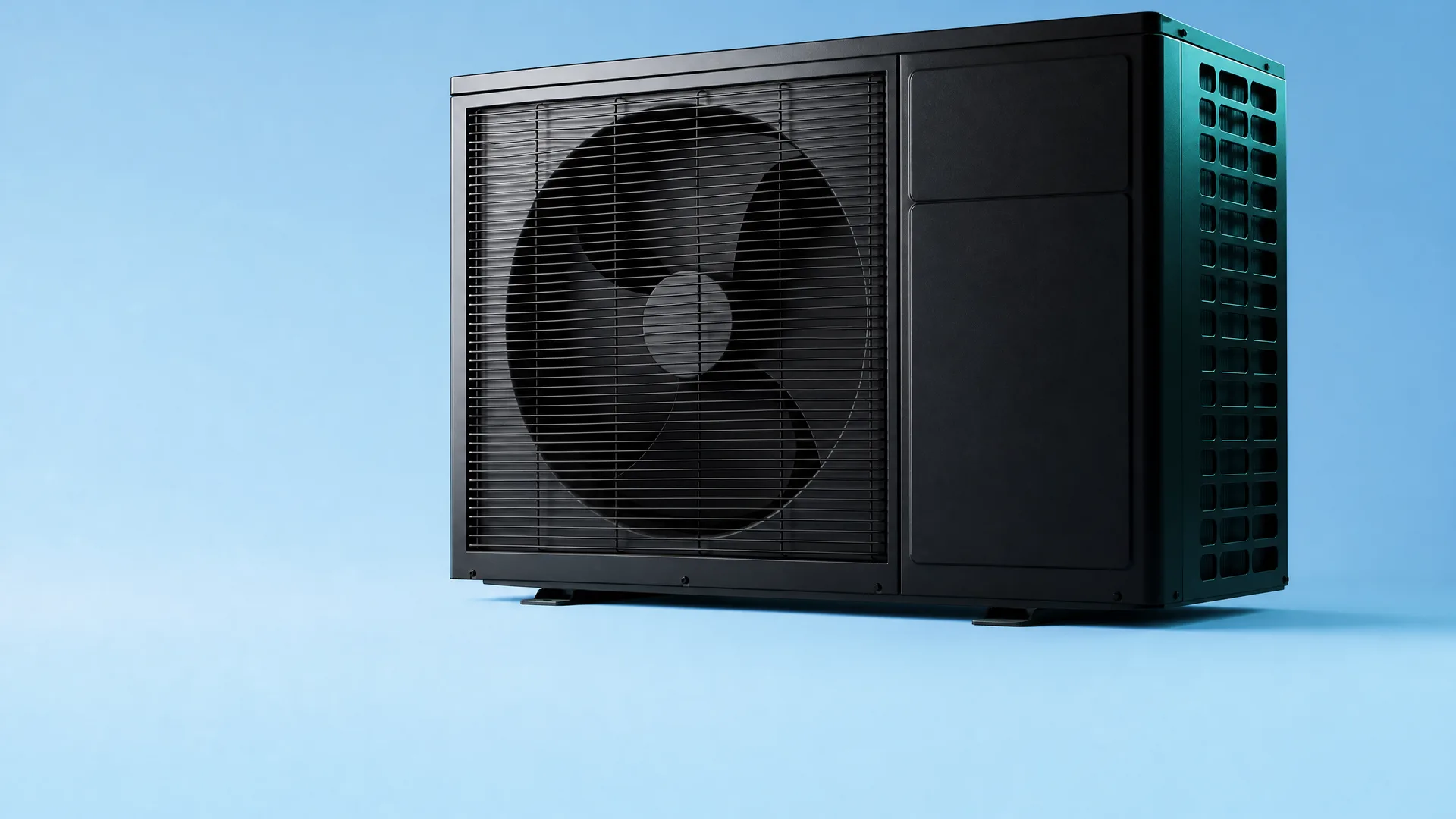
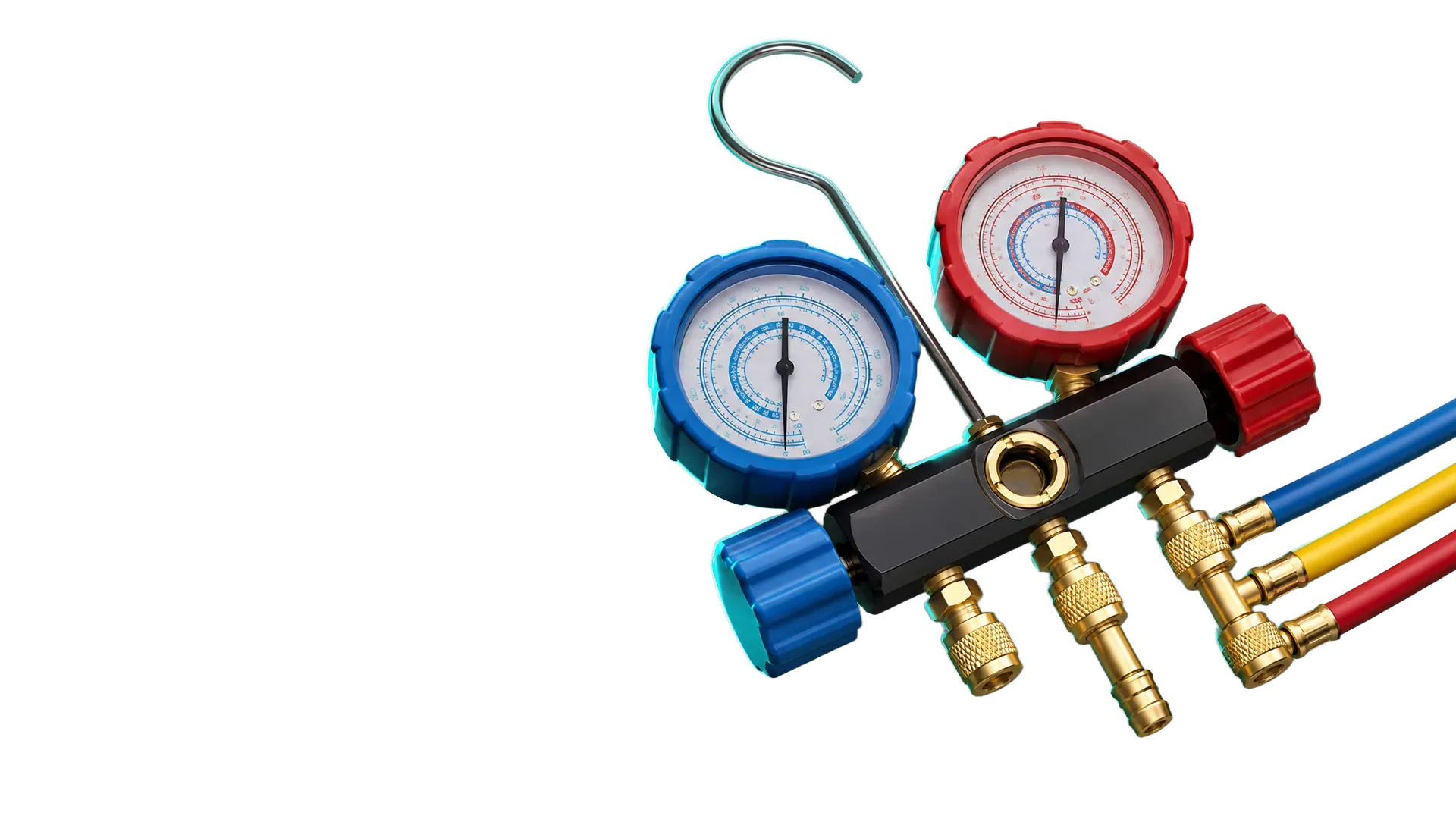
A diagnostic visit starts at the outdoor unit. A tech checks the refrigerant charge first, because a system running low won't heat or cool right no matter what else is working. The compressor gets checked under load, listening for a hum that means it's straining. The contactor and capacitor get tested too, since those parts wear out from simple repetition, opening and closing a circuit every time the system cycles. On the heating side, the reversing valve gets checked, since that's what switches the system between pulling heat in and pushing it out. A valve stuck in the wrong position leaves the system blowing air that's the wrong temperature for what's being asked of it. The defrost cycle gets looked at as well, because a heat pump that can't clear frost off the outdoor coil loses its ability to pull heat from the air outside. Airflow at the indoor unit matters too. A dirty filter or a blocked vent makes the whole system work harder than it should, and can hide or mimic other problems. The goal by the end is to find the one part that's actually failing, not just the symptom it's throwing off.
Why a heat pump problem doesn't stay small
A heat pump that's struggling still runs, and that's what makes this different from a furnace that just quits. A weak capacitor lets the compressor start hard instead of cleanly, and every hard start adds wear the next cycle doesn't undo. A low refrigerant charge makes the compressor work to move heat it used to move easily, and a compressor that runs hot for weeks can fail outright instead of just needing a recharge. A reversing valve that's starting to stick gets worse with every cycle it's forced through, not better. Frost that isn't clearing off the outdoor coil blocks more airflow each time the defrost cycle fails to clear it fully, so the system pulls less heat from the air and leans harder on whatever backup heat it has, if it has any. None of these fail all at once. They fail a little more each time the system is asked to run through them, which is why a problem caught early is usually a part swap, and the same problem ignored is usually a compressor.
When the question is really about the compressor
A part that's wearing out and a part that's done for get treated the same way too often. A capacitor, a contactor, a defrost control board. These fail on their own and get swapped on their own, usually without touching the rest of the system. The compressor is different. It's the one part expensive and central enough that its condition tends to decide the whole question. A compressor that failed from something fixable, like a stuck valve that made it overheat, is often worth repairing. A compressor that failed from plain age, or that's failed more than once, starts to argue for replacing the system instead of chasing it part by part. A heat pump near the end of its expected service life that needs a major part is a different call than one a few years in needing that same part. The system near the end is more likely to need the next thing soon after, and the next thing after that. That's the real question underneath repair versus replacement. Not just what broke, but whether it's likely to be the last thing that breaks for a while, or the first of several.
Whatever your heat pump is doing, it's most likely a known part failing, not a mystery.
Tell us about the job
Takes about a minute. No obligation.
Answer a few questions and a licensed Missouri contractor calls to look at it.