Electric heat here isn't cheap to run
Missouri homes paid $37.84 per million Btu of electricity in 2024. A furnace that wastes some of what it pulls in passes that waste straight to the homeowner.
Takes about a minute. No obligation.
Missouri homes paid $37.84 per million Btu of electricity in 2024. A furnace that wastes some of what it pulls in passes that waste straight to the homeowner.
With most homes here heating on electricity, the furnace going in is what decides how that cost plays out every month. Picking the system is worth as much attention as picking the installer.
NOAA nClimDiv, 1991–2020 normals
Electricity heats 71.4% of homes in St. Francois County.
A furnace built to run on electricity is the one most homes here already have in place.



St. Francois County falls under zone 4A, a rating that asks real work of both heating and cooling. Any furnace installed here has to meet that standard. Gas furnaces built since November 2015 have to turn at least 80 percent of the fuel they burn into heat, and that floor rises to 95 percent for units built from December 2028 on. Most homes here heat with electricity rather than gas, so that particular standard applies to a smaller slice of installs. Either way, the system going in determines how much of what it draws actually becomes heat in the house, and how much is lost.
Get the furnace sized and chosen before it goes in, not after. The one that gets installed is the one running every month on electricity priced at $37.84 per million Btu. A system matched to this house keeps more of that money as heat instead of waste.
Find a contractor
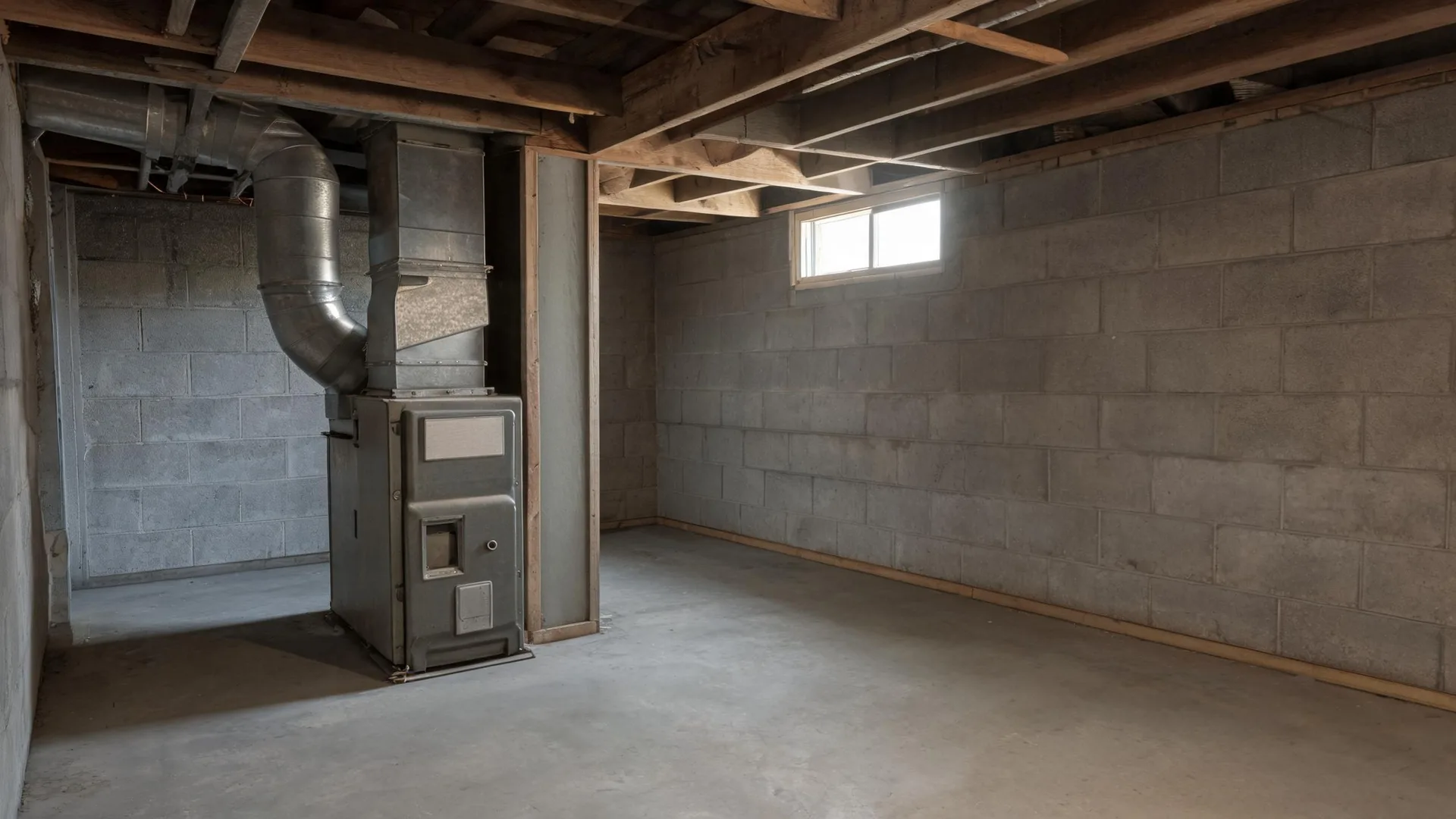
Pulling the old furnace out is usually straightforward. A tech shuts off power and fuel to the unit, disconnects the ductwork, and disconnects the flue if it has one. If it's a gas furnace, the gas line gets capped. If it's electric, the circuit gets disconnected at the panel or just left open until the new unit ties in. Once it's unhooked, the cabinet comes out in one piece or gets broken down if it won't fit through the space it was installed in. An old heat exchanger can have cracks that aren't obvious until the cabinet is open, and a tech pulling the unit apart will often find out exactly why it was running the way it was. From there the old unit gets hauled off and recycled, since the cabinet and coil are mostly metal. None of that work touches the new install. The ducts, the electrical tie-in, and the vent or flue connection all get evaluated fresh for whatever system is going in next, because what worked for the old furnace doesn't automatically fit the new one.
A furnace too big for the house cycles on and off instead of running steady, and every start burns more than a steady run would. One too small just runs long and hard trying to catch up. Getting the size right means someone actually calculating the heat loss of the house, not matching the old unit's output or guessing off square footage.
A single-speed blower runs at one output whether the house needs a little heat or a lot. A variable-speed blower adjusts to what's actually needed and holds a steadier temperature doing it. That difference shows up in comfort first, and in what the furnace draws to get the job done.
Every furnace sold has an efficiency rating on the yellow label, and it tells you what share of the fuel or current it pulls in actually turns into heat in the house. The rest goes out the flue or gets lost in cycling losses. Gas units show this as AFUE. Electric furnaces convert almost everything they draw into heat, since there's no combustion to lose heat through, but how that heat gets delivered and held still depends on the blower and the controls around it. The rating on the label is tested under set conditions, so a furnace sized wrong for the house or installed with leaky ductwork won't deliver what the label promises. The number tells you what the equipment is capable of. Everything connected to it decides whether the house actually gets that.
Install day starts with the old unit already gone or coming out first thing, so the crew is working from a bare spot rather than around a running furnace. The new furnace gets set and leveled before anything is connected, because a cabinet that sits slightly off can affect how the blower and burner behave later. Ductwork gets attached next, and this is where a tech checks that the plenum actually matches the new unit instead of being forced to fit. Electrical and controls come after that, tying the thermostat wiring and power into the furnace's control board. If it burns fuel, the flue gets connected and checked for proper draft before the unit ever fires. Once everything is hooked up, the furnace gets fired and run through its cycle while the tech checks temperature rise, airflow at the vents, and that the system shuts off and restarts the way it should.