




A gas furnace with sheet-metal ductwork and PVC pipes installed in an unfinished basement.

Furnace Installation in Warrensburg, MO

Tell us about the job

Takes about a minute. No obligation.

New system or replacementFurnace or heatingJohnson County, MO
Step 1 of 2

What ZIP code is the job in?

Electricity in Missouri ran $37.84 per million Btu in 2024, and most homes in Warrensburg heat with it. That number runs through a furnace every time it cycles on, all winter long. A unit that wastes some of that electricity as heat you never feel still pulls the full amount from the meter. The efficiency rating on a new furnace is not a label for the brochure. It is what decides how much of that $37.84 turns into warm air in your house and how much just gets paid for.

7 months
October through April, your furnace is on duty
24°F
the average winter night it heats against
80% AFUE
the federal minimum any new unit must meet
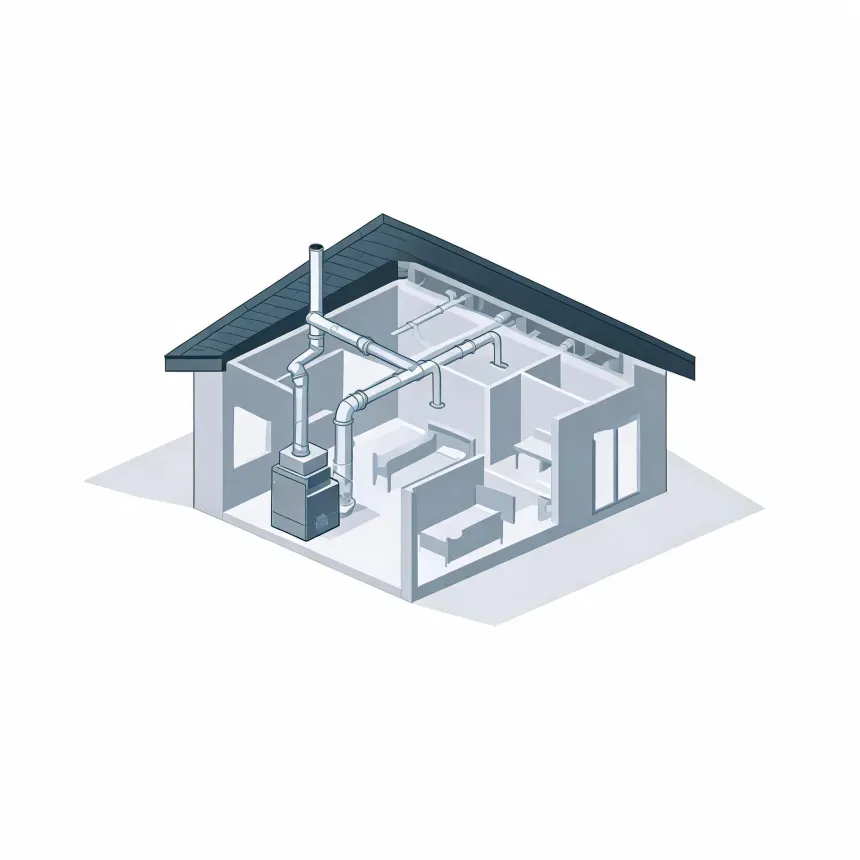
Isometric cutaway illustration of a small single-story house showing interior rooms, a furnace unit with a flue, and connected ductwork running below the dark gabled roof.
Your furnace works hardest from November through March.

NOAA nClimDiv, 1991–2020 normals

Johnson County had 148 severe weather events between 2015 and 2024, including 61 damaging wind events and 73 hail events.

An outdoor unit left exposed takes that wind and hail straight on, and a furnace needs power to run no matter how good the ductwork is.

Almost half of Johnson County heats with electricity, furnaces included

48.8% of homes heat with electricity
Heat runs October through April
Winter nights average 24°F

Johnson County falls under zone 4A, a climate that asks real work of both furnace and air conditioner over the year. That rating sets a floor on what can go into your house. Any gas furnace built from November 2015 on has to turn at least 80 percent of the gas it burns into heat, and that is the minimum, not a feature. Starting in December 2028, new furnaces will have to hit 95 percent. A furnace bought now still has to meet whatever rule applies on the day it was built, so it is worth asking a contractor which standard the unit in front of you was built to meet.

The furnace you install now sets what every winter bill looks like after

The efficiency rating on the furnace you pick decides how much of every bill is heat and how much is waste. Ask what rating the unit you're looking at carries before it goes in.

Find a contractor
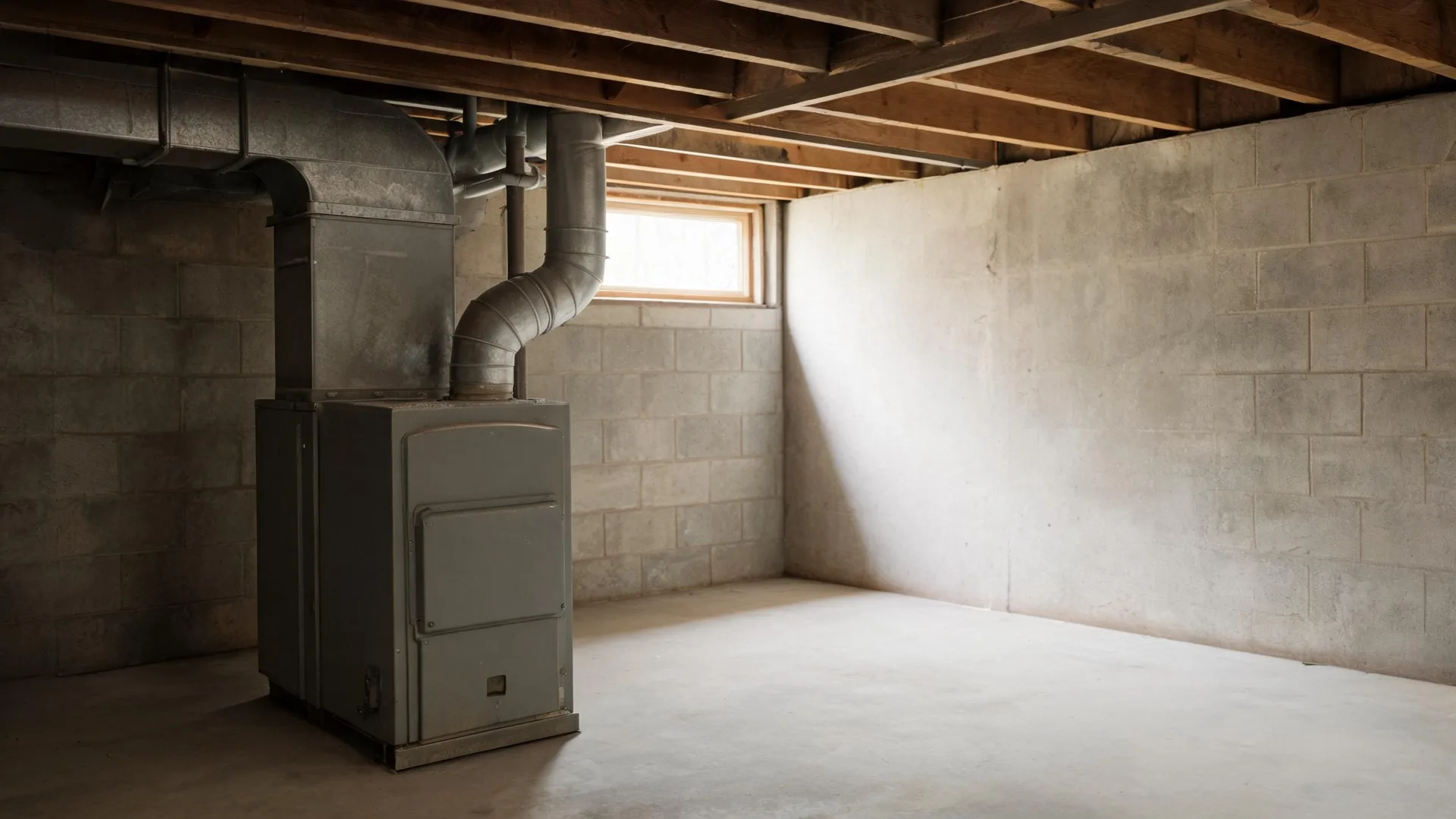
A gray gas furnace with attached ductwork and piping installed in an unfinished concrete basement.

Seven months of work starts in October

Furnaces here start running in October and keep going through April, about seven months straight. That's more than half the year this machine can't sit idle. Get it installed before October and it's a straightforward job on a day that works for you. Wait until the first cold snap and you're calling someone while the house is already cold, picking from whatever unit is on the shelf instead of the one that fits your house.

Size decides more than anything else

A furnace has to be sized to the house, the ductwork, and how much heat the place loses on a cold day. That takes a load calculation, not a guess based on the old unit. One sized too big short cycles, wearing out its parts faster and leaving rooms uneven. One sized too small runs flat out and still can't keep up. Getting this step right costs nothing extra but skipping it costs for the life of the furnace.
The ductwork decides what the furnace can do

A new furnace moves air through the ducts already in the house, and those ducts don't automatically match what the new unit needs. Undersized returns, leaky joints, or runs that were patched together over the years all make a furnace work harder to push air where it needs to go. Sometimes the ductwork needs sealing or modification before the new furnace goes in, and that work belongs in the estimate, not as a surprise after the install is done.

AFUE is the rating on the furnace label, and it measures one thing. It tells you how much of the fuel burned turns into heat in the house and how much goes straight out the flue as exhaust. A furnace with a higher rating wastes less fuel doing the same job, cycle after cycle, for as long as it runs. The rating does not tell you how warm the house gets or how fast, and it says nothing about the blower or how well the unit was matched to the ductwork. Those depend on sizing and installation, not the label. What the label does tell you stays fixed. It will not improve with a tune-up or change as the furnace ages, so whatever rating goes on the day it is installed is the rating that furnace carries for the rest of its life.

A furnace install is also a chance to look at where things sit outside. If the outdoor equipment for your cooling system shares a pad or a wall mount, ask the contractor to walk you through what's protecting it from wind-driven debris and hail, since both show up here more than most places. Inside, the part that matters more is power. A furnace with an electric ignition and a blower motor does not run on gas alone, so when the power drops, so does your heat, no matter the AFUE rating on the label. Ask what a battery backup or a generator hookup would take for your system, and whether it makes sense for your house. It is a smaller line item than the furnace itself, and it is the kind of thing that is cheap to plan for now and expensive to wish you had later.