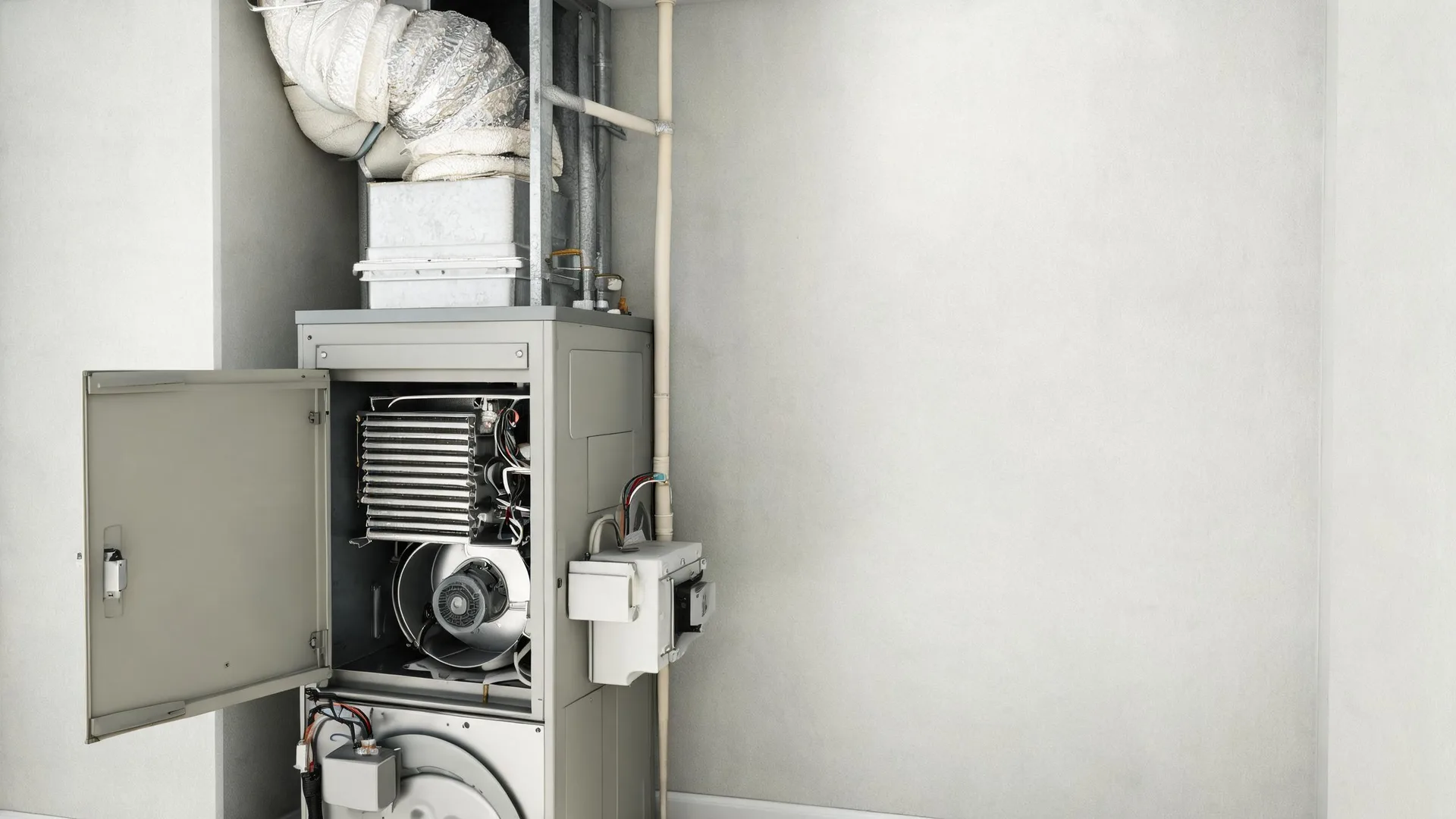
Electric heat costs more to run here
Missouri electricity ran $37.84 per million Btu in 2024. A furnace that wastes heat burns through that rate every time it cycles on.
Takes about a minute. No obligation.
Missouri electricity ran $37.84 per million Btu in 2024. A furnace that wastes heat burns through that rate every time it cycles on.
With a new furnace going in, the efficiency rating on the unit you pick decides what every winter costs after that. That number is worth comparing as closely as the price tag.
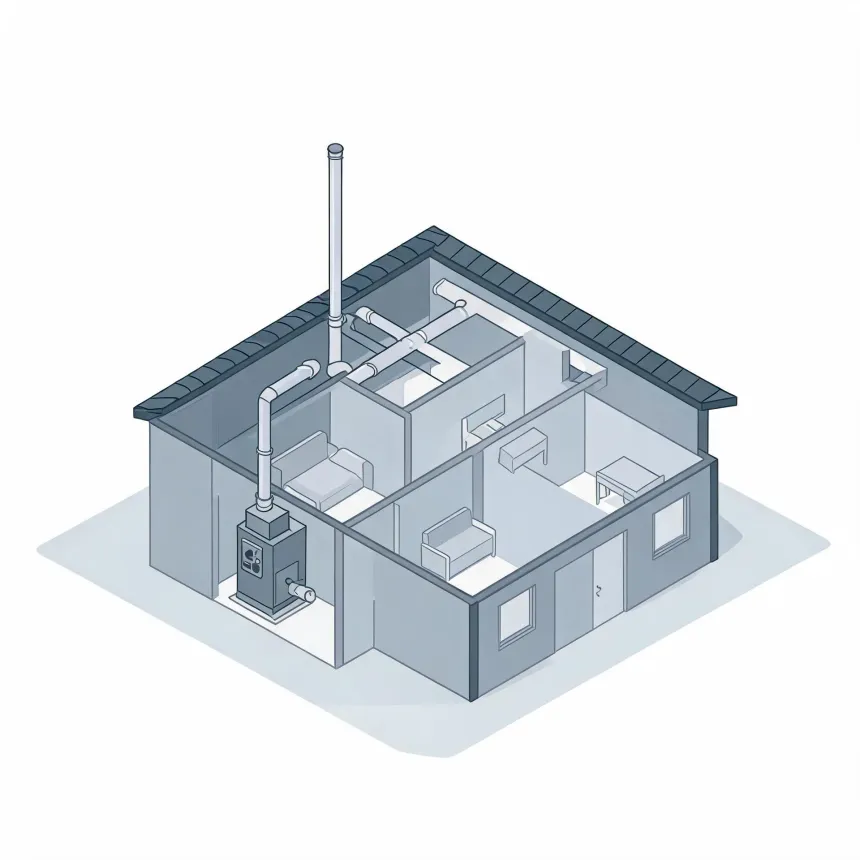
NOAA nClimDiv, 1991–2020 normals
Most homes in Miller County heat with electricity, not gas.
A new furnace here is almost always an electric furnace, so that's likely the installation you're pricing.



Miller County falls under zone 4A in the 2021 energy code, a mixed climate that asks real work of both the furnace and the AC. That classification sets the floor for what can be installed here. Any indoor gas furnace built since November 2015 has to turn at least 80 percent of the gas it burns into heat over the winter. That's the baseline, not a selling point. Furnaces built from December 2028 on will have to hit 95 percent, so the market is already shifting toward units that waste less. If your install is electric, as most are here, this standard still tells you what the gas option you're comparing against has to meet.
Electricity here runs $37.84 per million Btu. That rate doesn't change once the new furnace is in. What changes is how much of it turns into heat in your house instead of going up the vent. That's decided now, when the unit gets picked, not after.
Find a contractor
An electric furnace doesn't burn fuel, so the efficiency math is different from a gas unit. Almost all the power going into the heating element turns into heat. What decides how well that heat gets used is the air handler, the ductwork, and how well the system is sized to the house. A unit too big for the space cycles on and off more than it should, and every startup draws a surge before it settles into steady output. A unit too small runs long stretches trying to catch up, pushing the blower motor and the heating elements harder than they're built to work over the long run. When you're comparing systems, ask who is doing the sizing calculation and whether it accounts for the actual square footage, ceiling height, and window area, not just a rule of thumb based on the old unit. Ask about the staging too. Some electric furnaces fire all their heating elements at once, others bring them on in stages as the thermostat calls for more heat. Staged units tend to hold a steadier temperature and put less strain on the electrical circuit at startup. Ask what gauge wire and what breaker size the installation needs, because undersized wiring is a common point of failure in electric furnace installs and it's worth confirming before the unit goes in, not after. Finally, ask about the blower motor. A variable-speed motor adjusts airflow to match demand, while a single-speed motor runs at one output whenever it's on. That difference shows up in both comfort and how hard the motor works over the life of the system.
A furnace doesn't get left in place and wired around. The cabinet, the heating elements or burner, the blower, all of it comes out before the new unit goes in. If it's a gas furnace, the gas line gets capped or disconnected properly, and the vent or flue that served it has to be dealt with so it isn't left open to the outside. Any ductwork connections get pulled and reworked to fit the new unit's dimensions, since furnaces don't all share the same footprint or connection points.
An old furnace can carry refrigerant lines, insulation, or in a gas unit, residue from years of combustion. A licensed installer knows what has to be handled separately and what can go straight to metal recycling. Hauling it off and disposing of it correctly is normally part of the installation job, not something the homeowner has to arrange on the side.
The efficiency rating on a gas furnace is the AFUE, and it tells you how much of the fuel burned actually becomes heat instead of going up the flue. An electric furnace is rated differently, because resistance heating doesn't lose energy up a vent the way combustion does. Almost all the power drawn by the heating element turns into heat, so the rating you're really watching on an electric unit is how efficiently that heat gets delivered and used, not how much is wasted in burning fuel. That comes down to the staging of the heating elements, how the blower responds to demand, and whether the unit is sized to the house. A furnace that fires all its elements at once and pushes air at a single speed will use more power to hold the same temperature than one that stages up gradually and adjusts airflow as it goes. When you're comparing units, that difference in how the heat gets managed is what shows up on the power bill every month after installation.
Install day starts with a walkthrough, not a wrench. The crew confirms the unit on the truck matches what was ordered, checks the space it's going into, and shuts off power to the old system before touching anything. Pulling the old furnace and setting the new one usually takes the bulk of the day. After that comes the part that decides how the system runs for years: connecting it to the ductwork, wiring it to the thermostat, and running it through a full cycle to check airflow and temperature rise. A good installer tests the system under real conditions before calling the job done, not just confirming it powers on. If ductwork needs sealing or a return needs adjusting to match the new unit, that gets handled before anyone leaves. The system should be heating the house, correctly, by the time the crew packs up.