
Furnace Repair in Missouri
Homes in Missouri need heat for fewer months of the year than in 28 of the other 49 states.
Tell us about the job
Takes about a minute. No obligation.
- 25°Fwinter overnight low where people live
- 7 monthsof heat, October through April
- $16.49 per million Btuwhat homes paid for natural gas in 2024 (Btu means British thermal units, a measure of heat)
- 1,027winter storms from 2015 to 2024
Missouri winters aren't hard on a furnace. Nights average 25°F, December through February.
- Northern counties need about 12% more heat than southern ones
- Winter nights average 25°F where people live
- Heat runs October through April
- 1,027 winter storms from 2015 to 2024
- Climate zones 3A, 4A and 5A across the state
- 19% of homes lost power a day or more in 2024
An older house doesn't mean an older furnace
Half the houses in Missouri were built in 1978 or earlier, half in 1978 or later, and most are standalone houses with their own furnace rather than a shared system. An old house doesn't mean an old furnace. Units get replaced over the years, so the age of the home tells you nothing about what's actually in the closet or basement. What breaks on a furnace breaks the same way whether the house went up last year or decades ago. A worn igniter, a failing flame sensor, a blower motor on its way out. That's the job, same as anywhere else.
The age of the furnace matters more than what's broken on it. A cracked heat exchanger or a failed control board on a unit past its expected service life is usually a replace. The same part failing on a furnace a few years old is worth fixing. Ask the tech how many times this furnace has needed a repair in the past couple years. A furnace that keeps coming back with new problems is telling you something, even if each repair on its own looks small and cheap.
Some repairs are worth doing almost no matter what. An igniter, a flame sensor, a capacitor, these are inexpensive parts that wear out on a normal schedule and swapping one doesn't mean the furnace is in decline. A cracked heat exchanger is a different conversation, since that's the part separating combustion gases from the air moving through the house, and it isn't something to patch. If a tech finds one, replacing the furnace is the only safe option on the table.
The first cold week finds what's weak
Furnaces in Missouri start up in October and run until April, about seven months straight. The first cold snap is when a weak part finally gets tested. A flame sensor coated with a thin film all summer, an igniter with a hairline crack, a blower motor with worn bearings. They can sit fine all through September and then fail the first night the furnace really has to work. That's why September, the month before heat season starts, is the better time to get a furnace looked at. Finding a weak part on a mild afternoon beats finding it on the first cold night, after the house has already gone cold.


4 months of cooling, June through September
7 months of heat, October through April
Missouri splits between north and south more than it splits any other way. Homes in the northern counties need about 12% more heat over a year than homes in the southern counties. That gap shows up in how hard a furnace works across a whole winter, not just on the coldest night.
Putnam County sits at one end of that range. It needs about 65% more heat over a year than Pemiscot County, where the state's heating need is lowest. A furnace in Putnam County is cycling on more often, for more months, than one in Pemiscot County. A tech working on a unit there should expect more wear for the same age of equipment.
The temperature spread backs this up. Worth County averages an 18°F overnight low across December, January and February. Pemiscot County averages 32°F. Both furnaces are doing the same job. One is recovering heat from a colder house, more nights in a row, than the other.
None of this means a furnace in Worth County is doomed to fail sooner. It doesn't mean one in Pemiscot County is in the clear either. It means the starting question is the same no matter where you are. How hard has this particular furnace been run, and does what's broken on it match that.
What does a furnace in Missouri face?
How cold do winter nights get?
25°Faverage overnight low where people live
North Dakota4°F
Hawaii65°F
How many months does the heat run?
7 monthsof heating a year
Hawaii0 months
Alaska12 months
What does natural gas cost?
$16.49per million Btu, what homes paid in 2024
Montana$7.77
Hawaii$53.25
How often do storms hit?
186severe weather events per county from 2015 to 2024
Alaska5
Wyoming1,057
How many homes lost power for a day or more?
19%of homes in 2024
Arizona7%
Maine54%
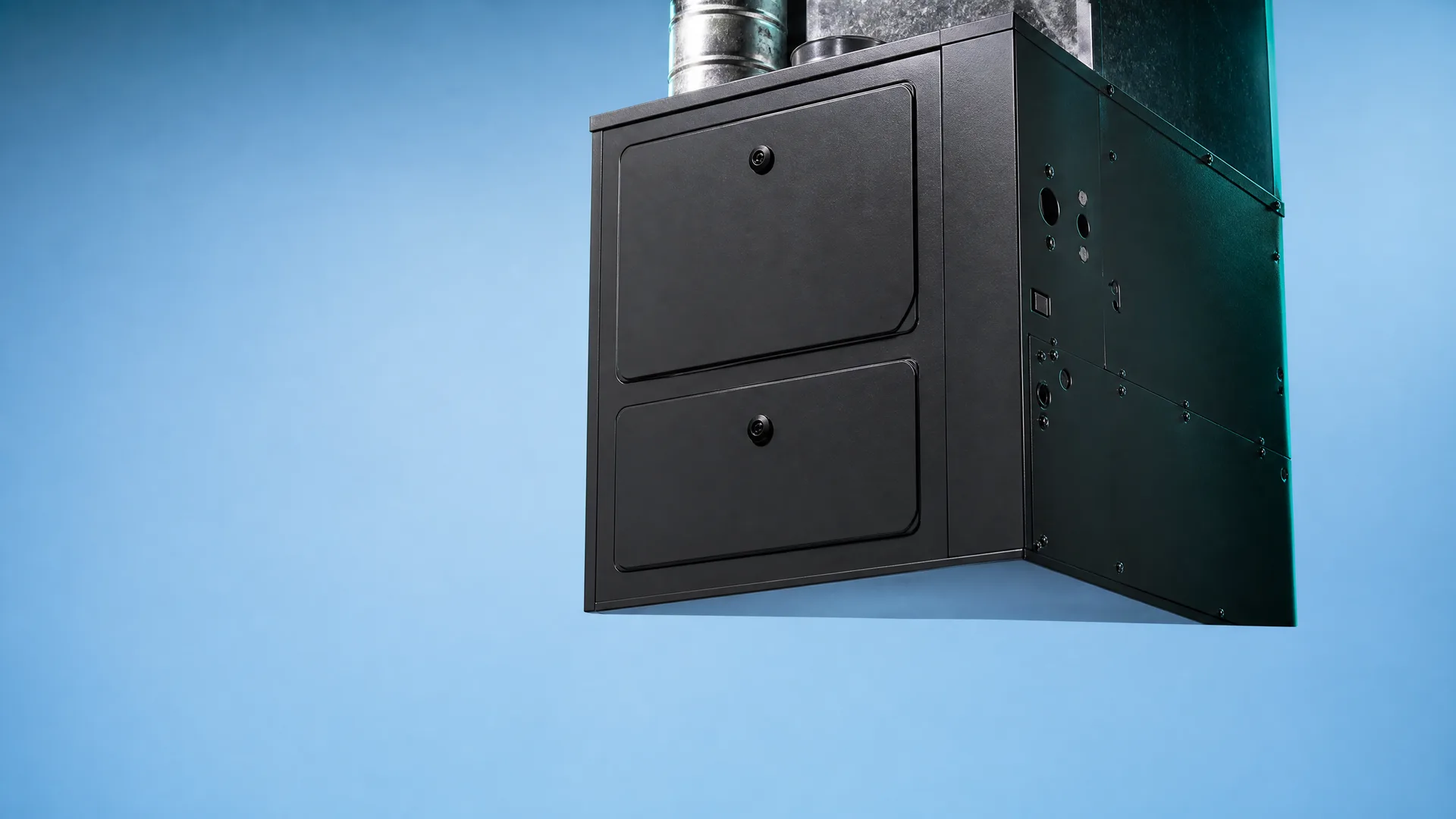
What a diagnostic visit actually involves
A diagnostic starts before any panel comes off. A tech wants to know what the furnace is doing, or not doing. Won't ignite, blows cold air, short cycles, makes noise it didn't used to make, trips the breaker. That list of symptoms narrows things fast. Then the cover comes off and it's a sequence, not a guess. Check for power and a thermostat signal getting to the control board. Check the board for an error code, since most of them blink one out when something's wrong. Check the igniter for a crack or a weak glow. Check the flame sensor for a coating that's keeping it from sensing the flame at all. Check the gas valve, the pressure switch, the blower motor and its capacitor. Each one rules something in or out. A tech isn't replacing parts to see what fixes it. They're testing each part against what it should read, with the problem it causes when it fails, until the one that doesn't match turns up.
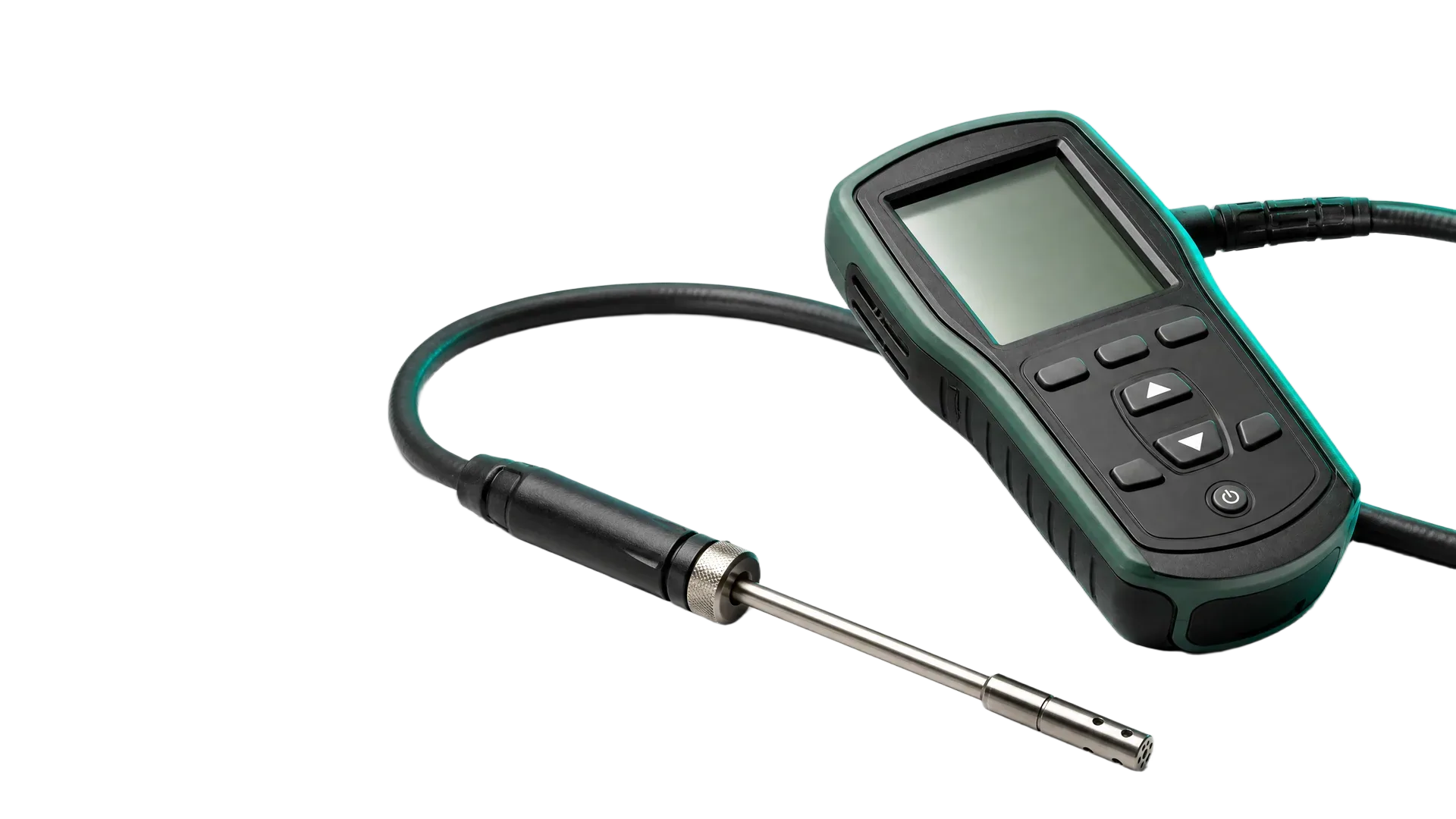
Before you call, a few things worth ruling out
There are a few things worth checking before a service call, and they take a minute. Start with the thermostat. Make sure it's set to heat, not just fan, and the set temperature is actually above the room temperature. Dead batteries in a thermostat cause more false alarms than people expect. Next, go look at the air filter. A filter clogged with dust chokes off airflow, and a furnace that can't breathe will often shut itself down as a safety measure, or blow air that never feels warm. If it's gray and packed solid, swap it. Then check the breaker panel and any switch on the furnace itself or nearby on the wall, the kind that looks like a light switch. Furnaces have a power switch separate from the thermostat, and it's easy to bump. Last, look at the vent pipe outside where it exits the house, and make sure nothing is blocking it. If the furnace runs but the air isn't warm, or it starts and stops on its own, those are things worth describing to whoever comes out, but not things to chase down yourself.
Running it anyway wears out what's already weak
A furnace that's struggling doesn't fail cleanly. It fails by running anyway, and running wrong. A flame sensor losing its ability to sense the flame makes the furnace shut down, try again, shut down again, and each cycle stresses the igniter a little more. A blower motor with worn bearings keeps turning anyway, running hotter than it should, until the bearings seize instead of just wearing a little further. A cracked heat exchanger is the clearest case. It keeps heating the house while it leaks combustion gases into the air moving through the ducts, and the furnace gives no sign of this on its own. None of these get better by waiting. A furnace doesn't slow down to protect itself. It keeps doing the job until the weak part finally gives out, and the failure often takes a second part down with it.
Nothing about Missouri's climate is hard on a furnace, so a repair call usually comes down to one worn part.
Tell us about the job
Takes about a minute. No obligation.
Fill out the form and a licensed contractor gets back to you to send a tech out.