Electricity here runs $37.84 per million Btu
Missouri homes paid that rate in 2024, and most houses around Washington heat with electric furnaces. A furnace that wastes power turns that rate into a bigger bill every month it runs.
Takes about a minute. No obligation.
Missouri homes paid that rate in 2024, and most houses around Washington heat with electric furnaces. A furnace that wastes power turns that rate into a bigger bill every month it runs.
Two furnaces can heat the same house and use different amounts of electricity to do it. With power priced the way it is here, that difference shows up on your bill all winter long.
NOAA nClimDiv, 1991–2020 normals
Electricity heats 67.6% of homes in Franklin County, far more than gas or propane.
Most houses around Washington already have what an electric furnace needs, so replacing it is usually a straight swap.



Franklin County falls under zone 4A, which asks a furnace to handle real heat and real cold without wasting power doing it. A gas furnace built from 2015 on has to turn at least 80 percent of what it burns into heat. That number jumps to 95 percent for furnaces built from December 2028 on, so what counts as the minimum is about to change. Most houses here run electric furnaces rather than gas, but the same idea applies: a unit sized and rated for this climate earns its keep, one that isn't doesn't. A federal tax credit is available on qualifying new systems, worth checking against whatever gets installed.
That rate applies to whatever furnace goes into your house next. Getting the sizing and the rating right at install is what decides whether this winter's bill reflects it or not.
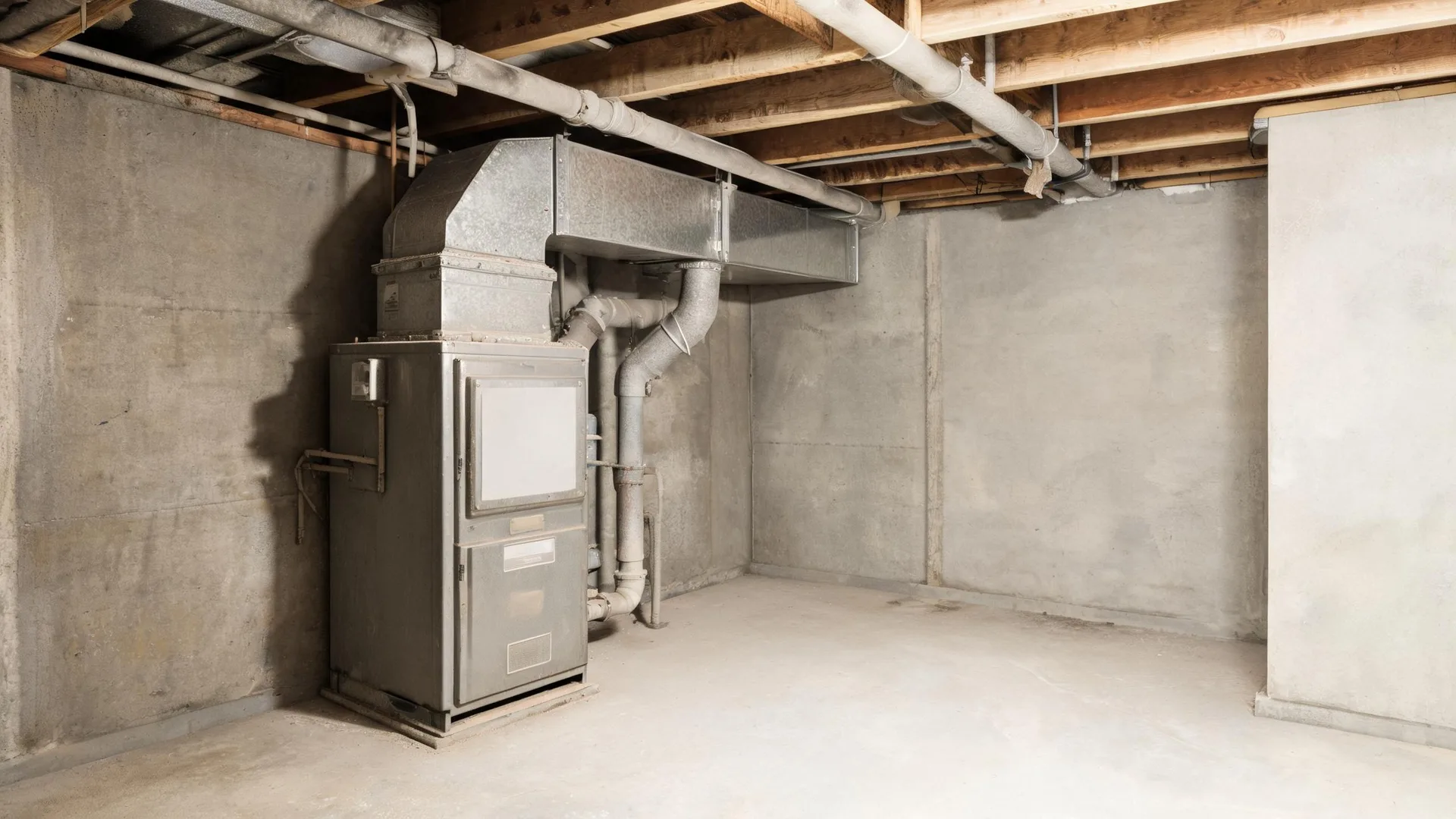
Find a contractorOnce the new furnace is running, the old one comes out. A tech disconnects the power, caps or removes the gas line if there was one, and pulls the unit along with the old venting if it's being replaced too. Scrap haulers take the carcass for the metal. None of that is the part worth knowing about. What matters is what was behind it: the ductwork, the return, the thermostat wiring. A furnace swap is a chance to look at all of it while the old box is sitting on the dolly instead of bolted into the closet. Cracked plenum seams, a return that was always a size too small, wiring brittle from heat cycling for years. Once the new furnace is set and sealed up, that's a lot harder to get eyes on.
An electric furnace turns nearly all the power it draws into heat, so the rating on that label sits close to the top already. The spread between models shows up somewhere else: how well the blower moves that heat through the house, and how well the unit matches the space it's heating. A furnace too big for the job cycles on and off and never settles into steady, efficient operation. One sized right runs longer, steadier stretches and gets more use out of every bit of power it draws.
The rating on the label only holds if the furnace fits the house. Oversized or undersized, wired for the wrong voltage, paired with a blower that can't move enough air through the ducts, and the furnace stops running the way its rating promised. That gap between what the label says and what the system actually does is set at install. It doesn't show up until the bills start coming in.
Ask what the furnace is rated to do at the size you need, not just what it costs to buy. Two units with the same sticker efficiency can perform differently once they're matched to a house, so ask what blower motor it uses. A fixed-speed blower runs at one speed and pushes the same volume of air whether the system just started a cycle or is about to finish one. A variable-speed blower ramps up and down, which keeps air moving steadily and puts less strain on the system over a long run. Ask how the contractor is sizing the unit for your house, not just replacing what was there. The furnace that was installed years ago may have been oversized or undersized from the start, and matching the new one to the old mistake just repeats it.
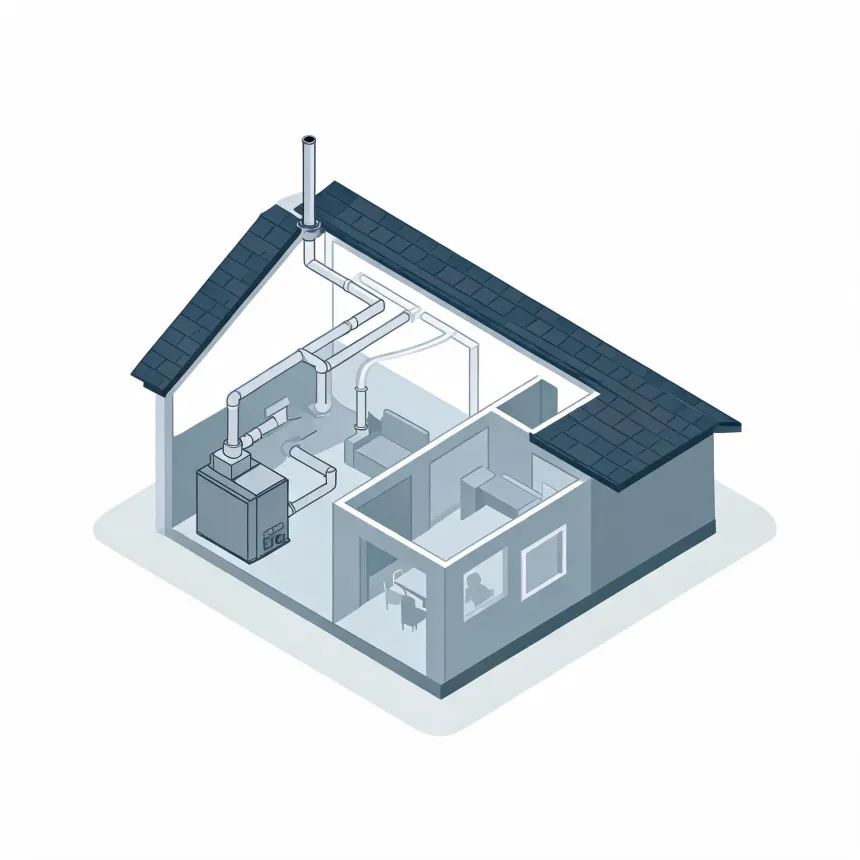
Installation day starts before anyone touches the old unit. A tech checks the gas or electrical supply, confirms the venting path, and looks at the ductwork the new furnace has to tie into. Moving the furnace means moving supply lines, a new flue or vent run, and ductwork modified to fit the new cabinet. The furnace gets set, leveled, and connected to gas or power, then the ducts and venting get sealed back up. Once it's running, a tech checks the temperature rise across the unit, sets the blower speed, and makes sure the thermostat is talking to the system the way it should. None of that shows up when you look at the finished install. It shows up in how the furnace runs after the tech leaves.