





A row of illuminated two-story brick houses with front porches and mature trees photographed at twilight.

Furnace Installation in Aurora, MO

Tell us about the job

Takes about a minute. No obligation.

New system or replacementFurnace or heatingLawrence County, MO
Step 1 of 2

What ZIP code is the job in?

Most homes in Lawrence County heat with electricity, and electricity here ran $37.84 per million Btu in 2024. That number sits above what a lot of other states pay for the same heat. A furnace that wastes some of what it pulls in is spending more of your money to do it, every single month it runs. The difference between a well-matched furnace and one that's working harder than it should shows up on the bill before it shows up anywhere else.

7 months
October through April, your furnace is on duty
26°F
the average winter night it heats against
80% AFUE
the federal minimum any new unit must meet
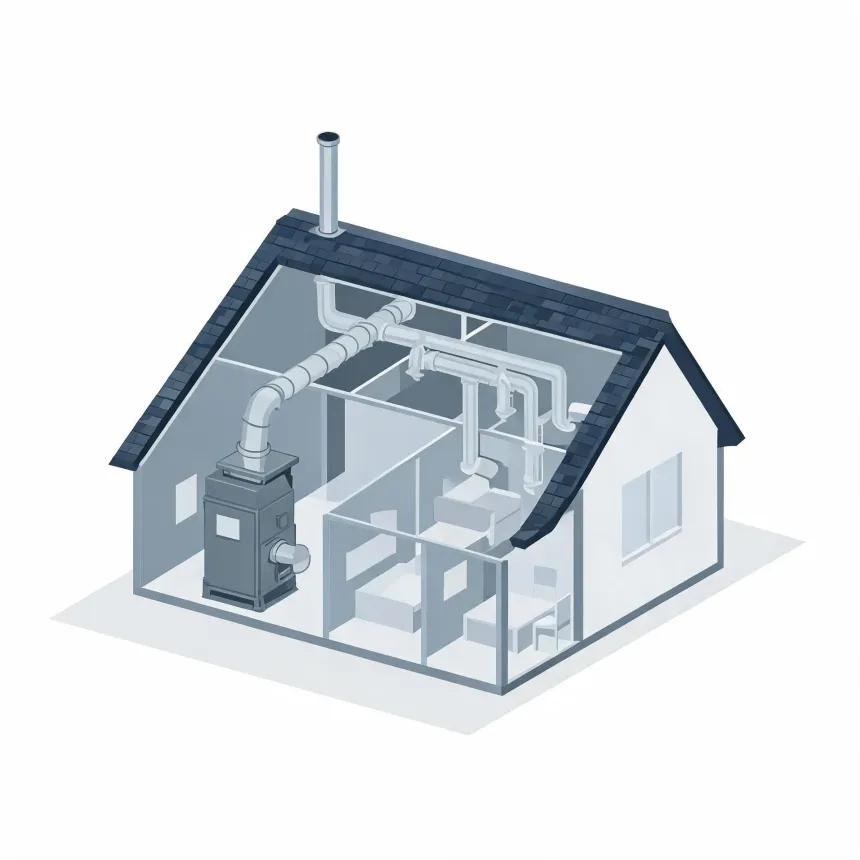
Isometric cutaway illustration of a small house showing a gray furnace unit with a flue pipe through the roof and branching ductwork running to rooms with simple furniture.
Your furnace works hardest from November through March.

NOAA nClimDiv, 1991–2020 normals

Furnaces in Lawrence County start running in October.

Get yours installed before September ends, so it's not an emergency job in the first cold week.

Most furnaces here run on electricity, same as the last one

37.7% of homes heat with electricity
Heat runs October through April
Winter nights average 26°F
This county sees its share of storms148 severe weather events hit Lawrence County between 2015 and 2024, and outages here can last a day or more.

Lawrence County falls under zone 4A, a mixed climate code that expects a furnace to carry real heating load here, not just take the edge off. Any gas furnace installed has to turn at least 80 percent of what it burns into heat. That floor jumps to 95 percent for units built on or after December 18, 2028, so a furnace bought now still only has to clear the older mark. Electric furnaces don't burn fuel, so this rule doesn't touch them, but it tells you something about what gas equipment is required to do before it ever reaches your house. A federal tax credit is available for qualifying high-efficiency equipment, worth checking against whatever system you're considering.

Get a furnace that earns back what power costs here

Get the sizing and the install right and that cost works for you instead of against you, month after month. That's what to ask about before you sign anything.

Find a contractor
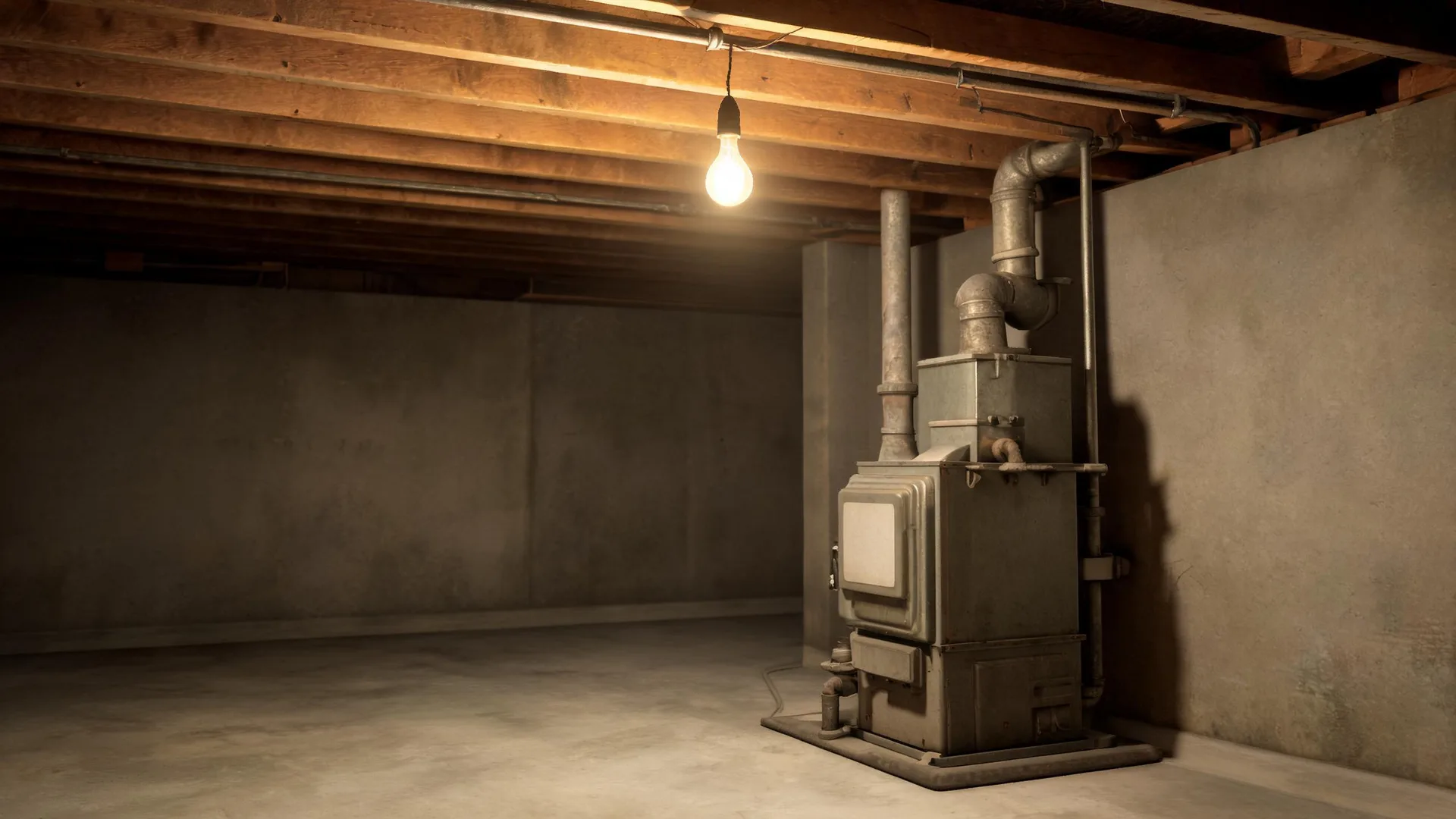
A gray high-efficiency gas furnace installed in an unfinished basement, surrounded by gas lines, a condensate drain, and sheet-metal ductwork.

What to ask before you compare quotes

A furnace that's sized wrong starts wasting money on day one, and it does it every time it cycles on. One that's too big heats the house fast, shuts off, then starts again a few minutes later, so the blower and igniter work through more cycles than they're built for over the years. One that's too small runs long stretches trying to catch up, and the extra runtime adds up the same way. Ask how the installer arrived at the size, not just what size they picked. A load calculation looks at the house itself, the windows, the insulation, how the rooms are laid out, not just the square footage. Ask what happens to the ductwork too. A furnace moves air through the same trunk lines and branches that were already there, and if those are too narrow or leaky, even a well-built furnace pushes against them for as long as it runs. Ask about the blower motor, whether it runs at a single speed or adjusts itself through the day. A motor that ramps up and down holds steadier temperatures and doesn't put as much wear on itself as one that's always running flat out or shutting off hard. Ask what the warranty actually covers, the heat exchanger separately from the rest of the parts, and whether it holds up only if a certain company installs it. Get the answers in writing before you compare one quote against another.

The old furnace has to come out first

An installer disconnects the gas line or the electric circuit, pulls the old unit free from the plenum and ductwork, and takes it off the property. If it's a gas furnace, the flue or vent pipe connected to it has to come out or get capped properly, since a vent sized for an old furnace rarely matches what the new one needs. None of this is a quick swap. The old cabinet is usually sealed into the ductwork with screws and mastic, and getting it out clean matters as much as putting the new one in.
Matching day matters more than people expect

Whatever comes out gets hauled away and recycled for the metal and copper inside it, not reused or resold as a working furnace. The real work on install day is making the new furnace fit what's left behind, the same supply trunk, the same return, sometimes the same flue. A mismatch between the old equipment and the new ductwork is where a lot of comfort problems start, so this is the moment to ask how the new furnace will tie into what's already there.

Your furnace shares the property with an outdoor condenser or heat pump unit if you're running central air alongside it, and that equipment sits outside through hail and wind same as everything else on the lot. Ask the installer where they're placing it and what keeps debris and ice off the coil. Indoors, the furnace itself only matters in an outage if the power's out, since a gas furnace still needs electricity to run the blower and ignition even though it burns gas for heat. Most homes here heat with electricity, so a dead circuit means no furnace at all until power comes back. If losing heat for a day is a real problem on your property, a backup power source for the furnace is worth asking about now, not after the next storm knocks something out.

Install day starts with a walkthrough, not a wrench. The crew checks the spot where the furnace sits, the condition of the plenum, and where the new unit's connections need to land before anything gets disconnected. Once the old furnace is out, they'll dry fit the new one, tie it into the supply and return, and make the gas or electric connection depending on what you're running. Every joint and seam gets sealed, because a furnace that leaks air at the connections is losing heat before it ever reaches a room. After that comes startup: the crew fires the furnace, checks the temperature rise across the heat exchanger, and watches how the blower responds once it's moving air through the actual ductwork in your house, not a test bench. A gas furnace also gets checked for proper venting and combustion before anyone calls the job done. None of this should feel rushed. A furnace that's installed right the first time doesn't need a callback the first cold week it runs.