A row of dark-sided single-story houses behind a tall trimmed hedge and a large tree, with a mown lawn and a paved path under an overcast sky.

Furnace Installation in Neosho, MO

Tell us about the job

Takes about a minute. No obligation.

New system or replacementFurnace or heatingNewton County, MO
Step 1 of 2

What ZIP code is the job in?

Newton County sees its share of severe weather

Newton County recorded 219 severe weather events between 2015 and 2024, including 105 damaging wind events, 99 hail events, and 8 tornadoes. Seven winter storms hit the county in that same stretch, bringing heavy snow and ice.
A new furnace needs to handle an outage

Nearly one in five Missouri households went at least 24 hours without power in 2024. A furnace that heats with electricity stops working the moment the power does, so part of this installation is deciding how your home keeps heat when the grid goes down.

7 months
October through April, your furnace is on duty
27°F
the average winter night it heats against
80% AFUE
the federal minimum any new unit must meet
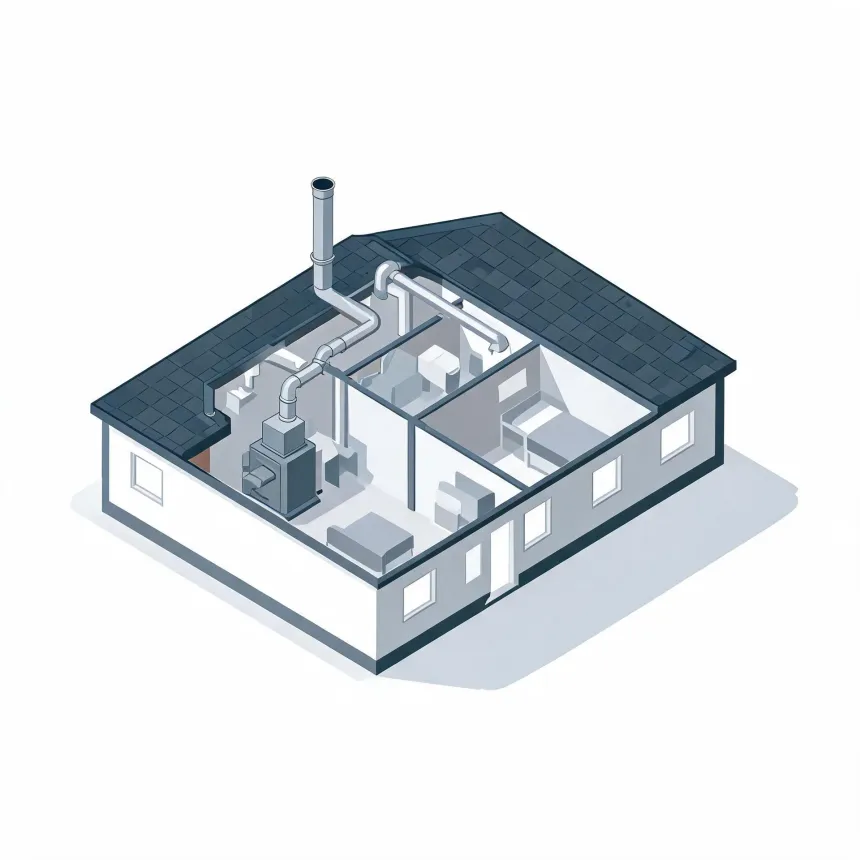
Isometric cutaway illustration of a single-story house with a dark shingled roof, showing interior rooms with furniture and a furnace connected to ductwork and a flue pipe extending above the roof.
Your furnace works hardest from November through March.

NOAA nClimDiv, 1991–2020 normals

Electricity heats close to half the homes in Newton County, more than any other fuel.

Most furnace replacements here go back in as electric, which means most homes still need a plan for what happens when the power cuts out.

Get it installed before October, not after the first cold night

Heat runs October through April
Winter nights average 27°F
Climate zone 4A

Newton County falls in climate zone 4A, which asks real work of both heating and cooling systems over the year. Any gas furnace going in new has to clear a federal efficiency floor. Furnaces built from November 19, 2015 on must turn at least 80 percent of the gas they burn into heat. That floor rises to 95 percent for furnaces built from December 18, 2028 on. A homeowner installing now will land under the current rule, not the one coming after it.

Plan this installation around the outage, not just the cold

If your furnace runs on electricity, an outage means no heat until the power comes back. Ask your contractor where the outdoor unit will sit and what protects it from wind and hail, and talk through a backup plan for the next time the grid goes down.

Find a contractor
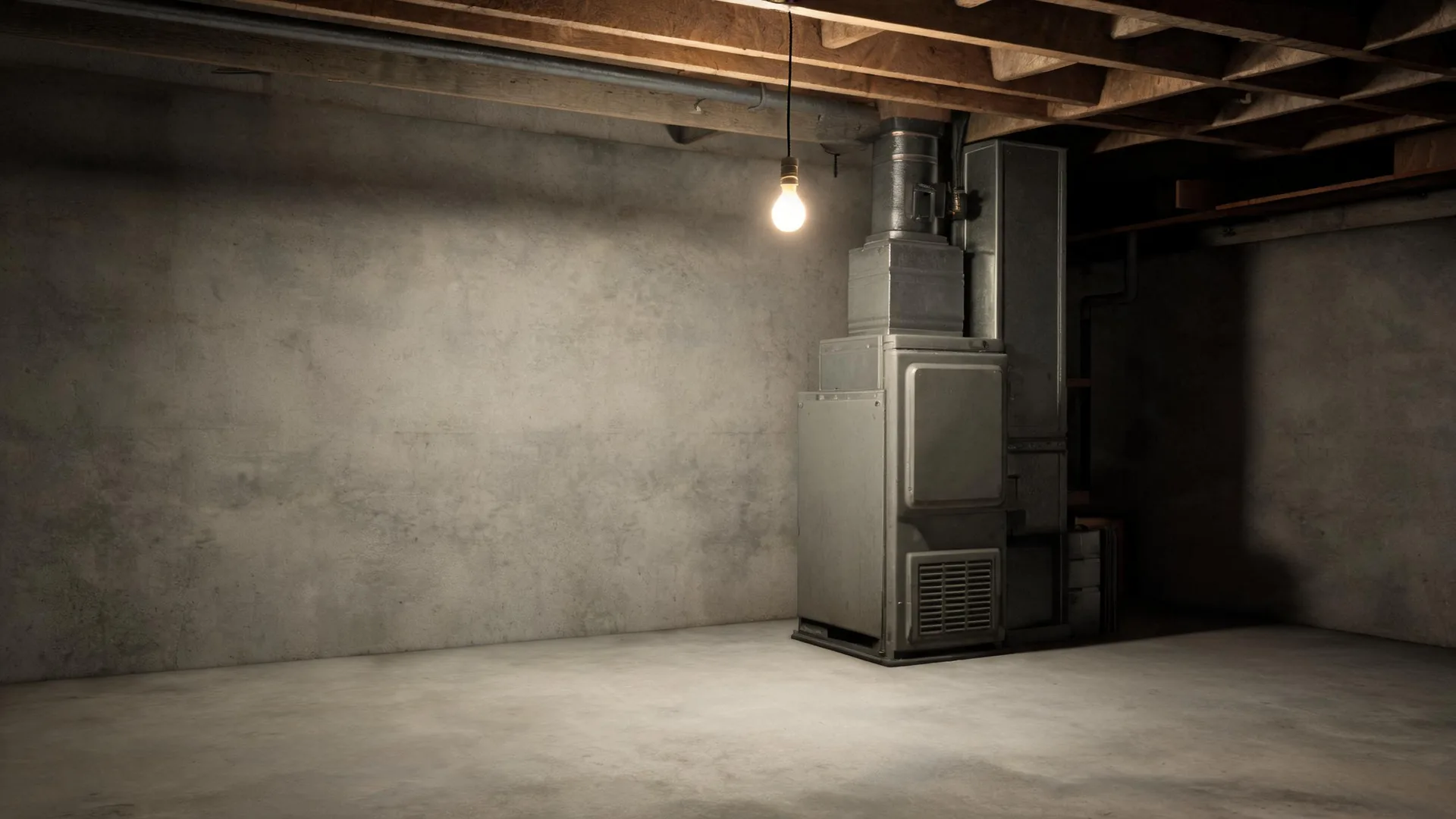
A gray gas furnace with attached ductwork and piping installed in an unfinished concrete basement.

The rating on the label is a promise about every hour it runs, not just the first one

The efficiency rating on a furnace tells you how much of the fuel it burns turns into heat in your house and how much goes out the flue. A furnace rated higher keeps more of what it burns. That number holds steady for as long as the furnace runs right. It does not fade over a few years the way people sometimes expect. What wears a furnace down and pulls its real efficiency below the number on the label is a dirty filter choking airflow, a blower working harder than it should, or heat exchanger surfaces that have picked up dust and scale. A furnace kept clean and tuned keeps performing close to its rated number for the long run it's built for.

Ask what happens to the furnace when the power cuts out

A gas furnace still needs electricity to run the blower, the control board, and the igniter. Ask whether the system you're comparing can run on a generator or a battery backup, and what size that backup needs to be. Some furnaces draw more startup power than others, which matters if you're sizing a generator to run it.

Ask how the new furnace is sized for your house

A furnace sized by a load calculation on your actual house runs differently than one sized off the old unit or a rule of thumb. Too big and it short cycles, heating fast and shutting off before it pulls moisture and cold out of the walls and floors. Too small and it runs constantly without catching up. Ask whoever is quoting the job to show their work, not just name a size.

A load calculation looks at the walls, the windows, the ceiling height, and how the house faces the sun, then works out how much heat it loses on the coldest expected day. That number, not the size of the furnace coming out, is what should set the size of the furnace going in. A furnace too big for the house heats the air fast and shuts off before the walls and floors catch up, so the room feels warm while the house underneath stays cold, and that cycling wears on the ignition system and the blower over the years. A furnace too small never shuts off at all, straining to hold a temperature it cannot reach on the harder nights. Either mistake shows up on the utility bill long before it shows up as a breakdown. A contractor who sizes the job off the old equipment or a square footage chart is guessing. One who measures the house and shows the numbers behind the recommendation is doing the job right.

Installation day starts before anyone touches the old furnace. The crew shuts off gas and power, then disconnects the ductwork, the flue, and the gas line from the unit coming out. Pulling the old furnace usually means a tight fit through a basement doorway or a closet, since nobody built the space expecting it to come back out. The new furnace goes in on a level pad or stand, gets tied back into the same duct trunk, and then the gas line, the flue, and the electrical connections get made fresh rather than reused. Once it's set, a tech fires it up and checks the gas pressure, the temperature rise across the heat exchanger, and the draft pulling exhaust up the flue. None of that gets signed off until the furnace has run through a full cycle and held steady.