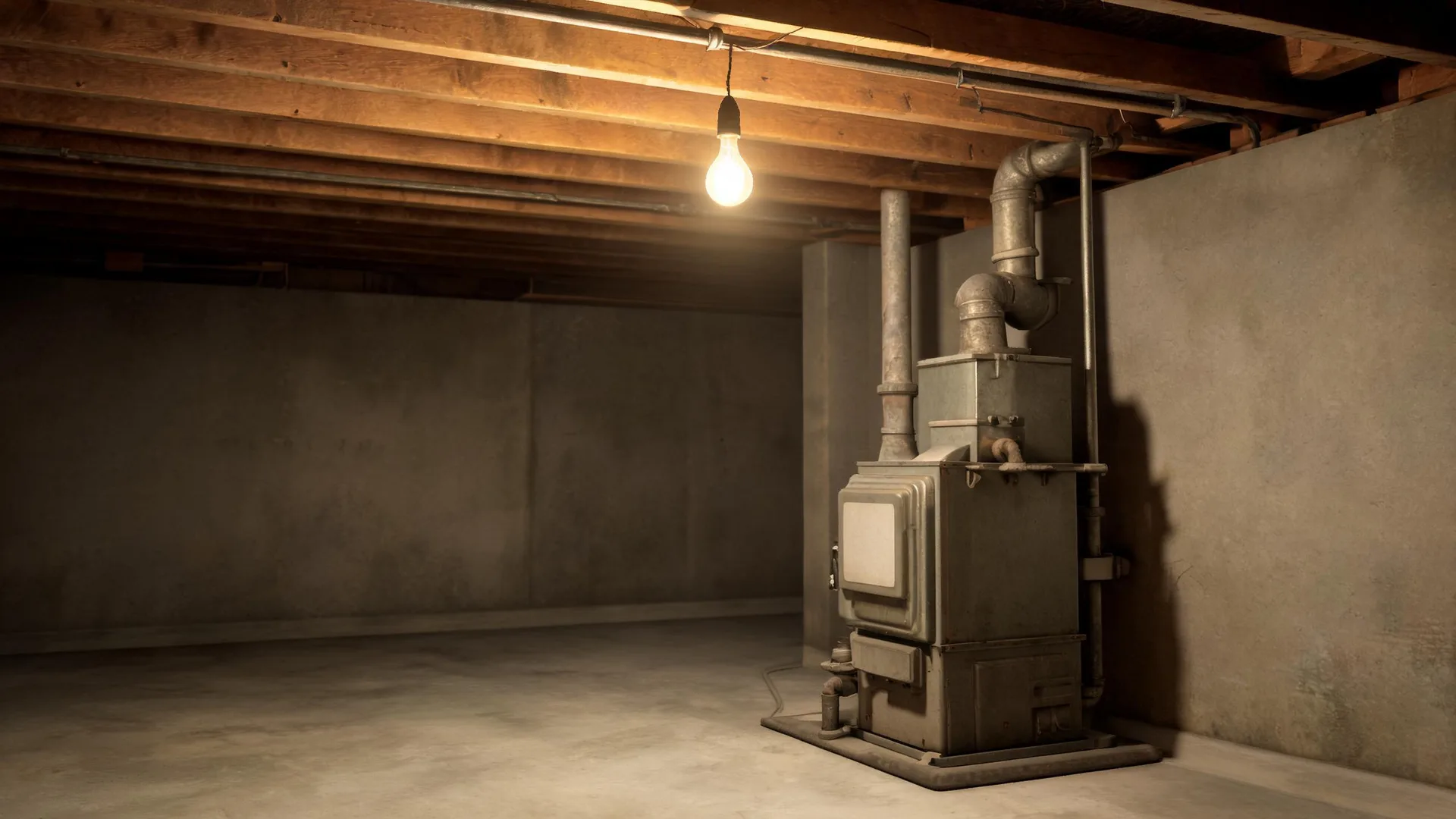
Electricity here runs $37.84 per million Btu
Missouri electricity cost $37.84 per million Btu in 2024. Most furnaces in Jefferson City run on electric heat, so that rate applies every time the system kicks on.
Takes about a minute. No obligation.
Missouri electricity cost $37.84 per million Btu in 2024. Most furnaces in Jefferson City run on electric heat, so that rate applies every time the system kicks on.
Two furnaces can heat the same house and use different amounts of electricity to do it. At this rate per Btu, the difference shows up on every bill from the first cold snap to the last.
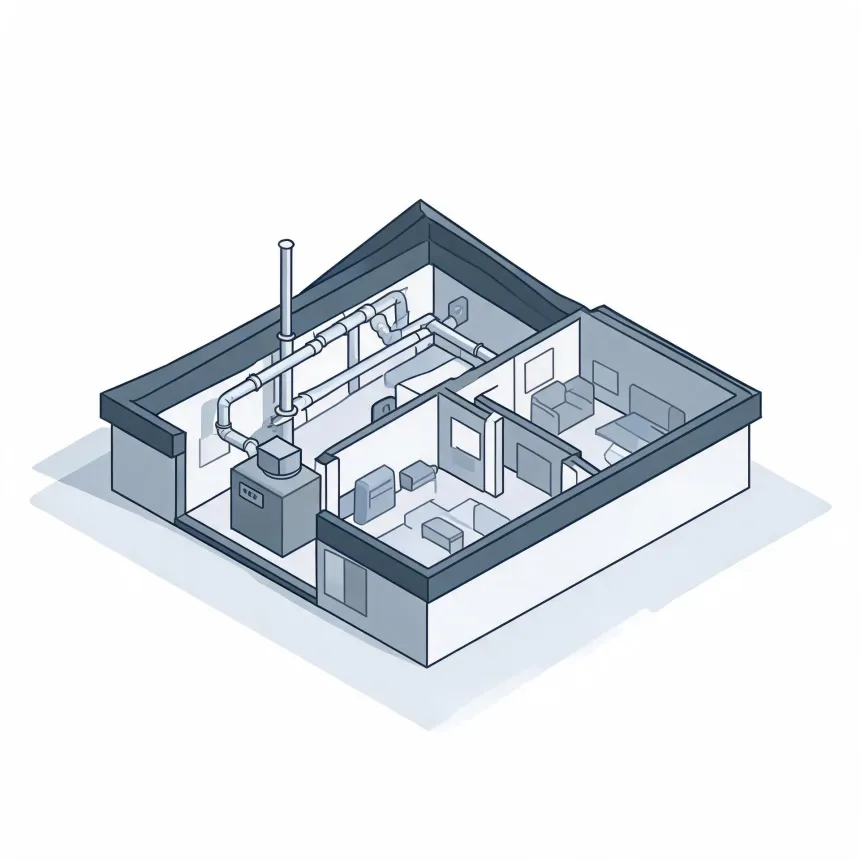
NOAA nClimDiv, 1991–2020 normals
Furnaces here start working in October and keep going through April.
Get it installed before September ends and the first cold snap won't decide the schedule for you.



Cole County falls under zone 4A in the 2021 energy code, a mixed climate that puts real demand on both sides of the system. That's the baseline any new furnace here has to be built for, electric or gas. If a gas furnace is part of what you're weighing, federal rules set a floor on it. Units built from November 2015 on have to turn at least 80 percent of the gas they burn into heat, and that rises to 95 percent for units built from December 2028 on. A homeowner going electric skips that question, but the zone rating still shapes what the system needs to handle.
Ask about the efficiency rating before you decide on a furnace. Electricity here runs $37.84 per million Btu, and that rate applies every time the system kicks on, all winter. A furnace that uses less to make the same heat is worth asking about now, not after it's installed.
Find a contractor
An old furnace doesn't fail the same way twice. The heat exchanger cracks, the blower motor seizes, the control board stops reading the thermostat right. Whatever took it out, a contractor pulling the old unit checks the ductwork and the electrical connection before setting the new one, because a system built for one furnace doesn't always fit another without some adjustment. The old furnace itself gets hauled off and recycled. Most of what's inside it, the sheet metal cabinet, the copper and aluminum coil, the motor, is worth scrapping rather than dumping. Whoever installs the replacement should handle that removal as part of the job, not leave it sitting in the garage for the homeowner to deal with.
A furnace too big for the house heats the air fast, shuts off, and starts again a few minutes later. That short cycling never lets the system settle into a steady heat, and it leaves cold spots in rooms farther from the vents. A furnace too small runs long stretches without catching up, so it strains to hold the temperature on the coldest days and wears out chasing a load it can't meet. Either mistake shortens the life of the blower motor and the heat exchanger.
A contractor works out the right size with a load calculation, weighing the square footage against the windows, the insulation, the ceiling height, and how much air leaks in and out. It accounts for the ductwork already in place, since a trunk line sized for one furnace can choke a bigger one or fail to carry what a smaller one puts out. Matching the new unit to the old one by rule of thumb skips that work, and the house is what shows it.
The efficiency rating on a gas furnace tells you what share of the fuel actually turns into heat in the house. The rest goes out the flue. A furnace rated low burns more fuel for the same warmth, and that gap doesn't close, it repeats every time the burner fires. Higher efficiency models capture more of that exhaust heat before it leaves, often with a second heat exchanger built for the purpose, which is why they vent differently than older units. That rating is tested and fixed to the equipment, not to how the installer sets it up afterward. A furnace with a strong rating still needs the ductwork and the blower settings matched to it, or it won't deliver what the label promises. The number is a ceiling on efficiency, not a guarantee of it.
Install day starts with the old furnace coming out and the new one going through its paces before anyone calls it done. A technician sets the cabinet, connects the supply and return plenums, and runs the electrical circuit to the unit and the wiring to the air handler. Every joint in the ductwork gets sealed, because a leak at the connection point wastes heat before it ever reaches a vent. The technician checks the electrical connections, confirms the breaker and wire gauge match what the new furnace draws, and secures the circuit before power goes to it. Once it's wired to the thermostat, the furnace runs through a full heating cycle while the technician checks the temperature rise across the heat exchanger and watches the blower hold steady. Nobody signs off until the system reaches a steady heat without short cycling or straining to keep up.