






A gray forced-air furnace with ductwork stands in an unfinished concrete basement surrounded by storage items and clutter.

Furnace Installation in Cuba, MO

Tell us about the job

Takes about a minute. No obligation.

New system or replacementFurnace or heatingCrawford County, MO
Step 1 of 2

What ZIP code is the job in?

Missouri homes paid $37.84 per million Btu of electricity in 2024, and most furnaces around Cuba run on electricity. That rate applies to every hour the furnace runs, all winter long. A furnace that converts more of that electricity into heat in your rooms, rather than losing it, puts less of that rate on your bill. The efficiency rating on a new furnace matters more here than in places where gas carries the load. Two furnaces can heat the same house and cost noticeably different amounts to run, and the difference shows up every month, not just once.

7 months
October through April, your furnace is on duty
24°F
the average winter night it heats against
80% AFUE
the federal minimum any new unit must meet
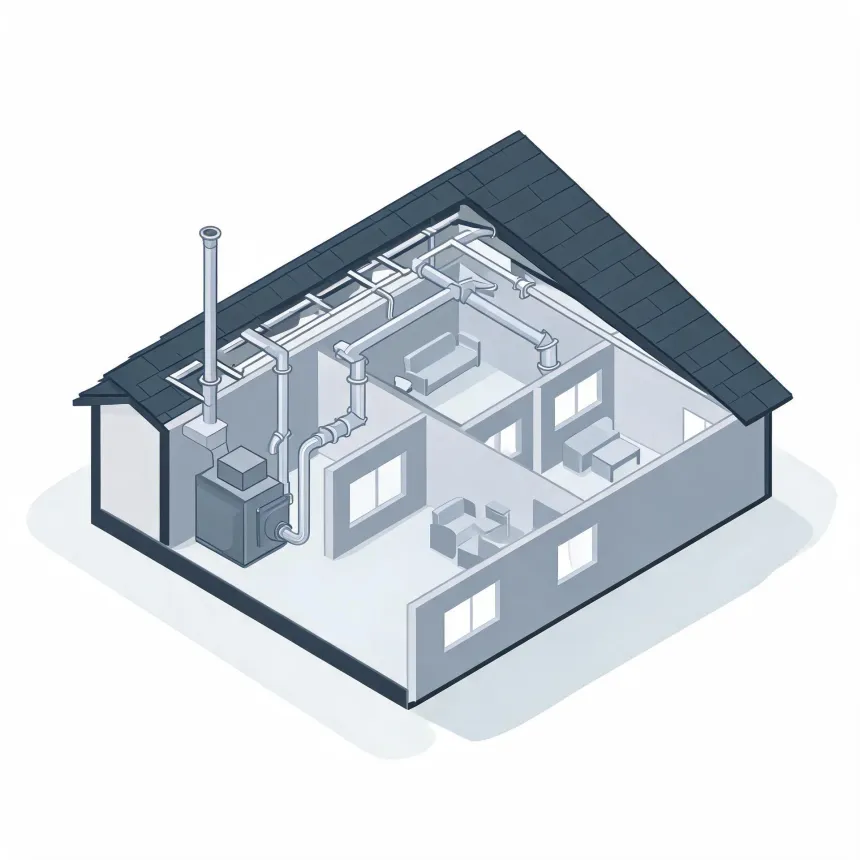
Isometric cutaway illustration of a single-story house showing interior rooms, a furnace unit with flue pipe, and branching ductwork running through the ceiling space under a dark shingled roof.
Your furnace works hardest from November through March.

NOAA nClimDiv, 1991–2020 normals

The efficiency rating tells you how much of the electricity going into the furnace comes out as heat in the room.

A higher rating on the label means less of what you pay for turns into waste instead of warmth.

Seven months of heat means seven months of this bill

Heat runs October through April
Winter nights average 24°F
Climate zone 4A
Most Homes Here Run on ElectricityElectricity heats 50.3% of homes in Crawford County, gas 10.0%.

Crawford County falls under zone 4A, a mixed climate that asks real work of both heating and cooling. That rating sets a floor for what can go into a new furnace here. Any gas furnace built since November 2015 has to turn at least 80 percent of the gas it burns into heat over the winter, and that's the minimum, not a target. Furnaces built from December 2028 on have to hit 95 percent. A federal tax credit is available for systems that clear the efficiency bar by enough, worth checking before you settle on a model.

Here, the efficiency rating on your new furnace is worth checking twice

Ask about the efficiency rating before you pick a model. At $37.84 per million Btu, the furnace with the better rating is the one that keeps less of your money going out as waste heat, all winter long.

Find a contractor
A man in a cap and brown jacket, seen from behind, climbs porch steps toward a blue front door while carrying a canvas tool bag, with a potted shrub in a blue planter beside him.
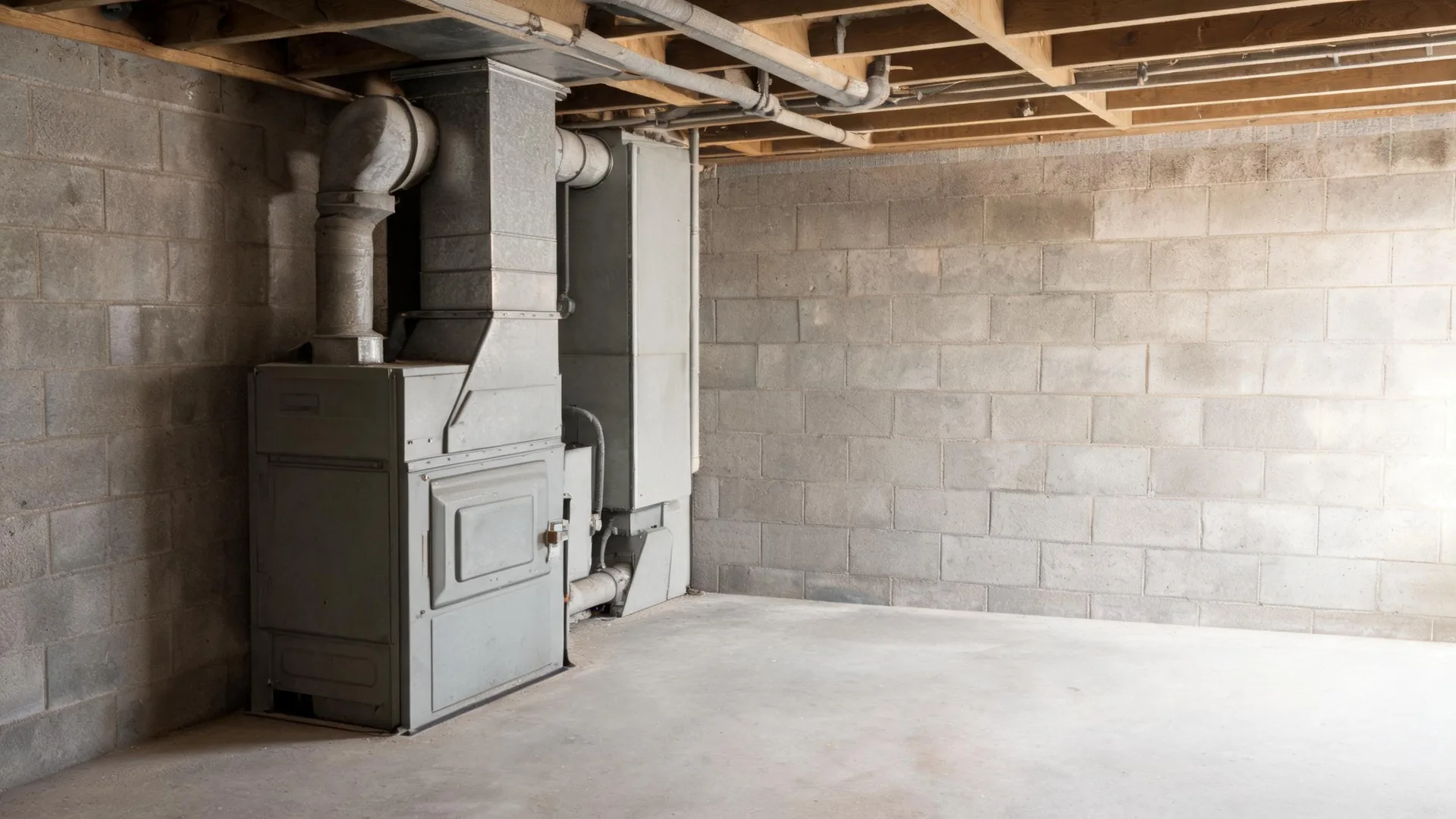
A gray residential gas furnace installed in an unfinished basement, surrounded by ductwork, a metal flue pipe, and a gas supply line.

What Runs Longest Wins

A furnace that runs long hours every winter wears differently than one that runs only now and then, and that is worth asking about when you compare systems. The igniter and burner assembly are built to handle repeated cycles, but how many cycles they see over a winter depends on how the furnace is staged. A single-stage furnace is either off or running at full output, cycling on and off as the house loses heat. A two-stage furnace can hold a lower output for longer stretches, which means fewer starts and stops over the same winter. Ask too about the blower motor, the part pushing air through the ducts every time the furnace runs. A variable-speed blower ramps up and down to match the call for heat, which puts less strain on it over years of use than a motor that only runs at one speed. None of this shows up on the efficiency label, but it shows up in how long the system holds up under long winters, and it is worth asking the installer directly which staging and which blower a given model uses.

Sizing Sets the Cost Before Anything Else

A furnace has to be sized to the house, the load calculated room by room rather than guessed from square footage. Too big and it short cycles, heating the air fast and shutting off before it pulls the chill out of the walls and furniture, so the room feels cold again soon after. Too small and it runs constantly trying to keep up, which wears the blower motor and the heating element harder than they're built for. The right size costs more to work out up front but it's what makes the rest of the install worth doing.
The Ductwork Decides What the Furnace Can Do

A new furnace moves a certain amount of air, and the ducts carrying that air have to be sized and sealed to match it. Ducts that are too narrow choke the airflow no matter how good the furnace is, and leaky joints lose heated air into the attic or crawlspace before it reaches a vent. Installing a better furnace onto old, leaky, undersized ductwork caps what that furnace can actually deliver to the rooms. Checking the ducts is part of sizing the job, not an extra.

The old furnace does not stay behind. Pulling it out is part of the install, not a separate job tacked on after. A gas furnace gets disconnected from the gas line and the vent, and that line gets capped off properly, not just left loose. An electric furnace gets disconnected from its circuit before anything is unbolted. Either way the old unit gets broken down enough to carry out, and the metal in it gets recycled rather than landfilled, since a furnace cabinet and heating element are mostly steel and copper. If the old system used a flue or chimney vent that the new one does not need, that gets addressed too, since an unused vent left open can pull conditioned air out of the house or let outside air in. None of this is optional work. A furnace cannot go in safely until the old one is fully out of the way.

Installation day starts with the space itself, not the furnace. The new unit gets set in place, whether that's a closet, a basement pad, or a utility room, and leveled so the cabinet seals properly against the plenum. Ductwork connects to the supply and return, and every joint gets sealed, not just screwed together, since a gap there leaks heated air before it ever reaches a vent. Electrical hookup comes next: a dedicated circuit sized to the furnace's draw, with a disconnect nearby so it can be shut off for service without touching the breaker panel. Once it's wired and connected to the ducts, the system gets fired up and run through its cycles, checking that air moves through every vent in the house and that the blower ramps the way it's supposed to. A combustion or amperage check follows, depending on the furnace type, before anyone calls the job done.