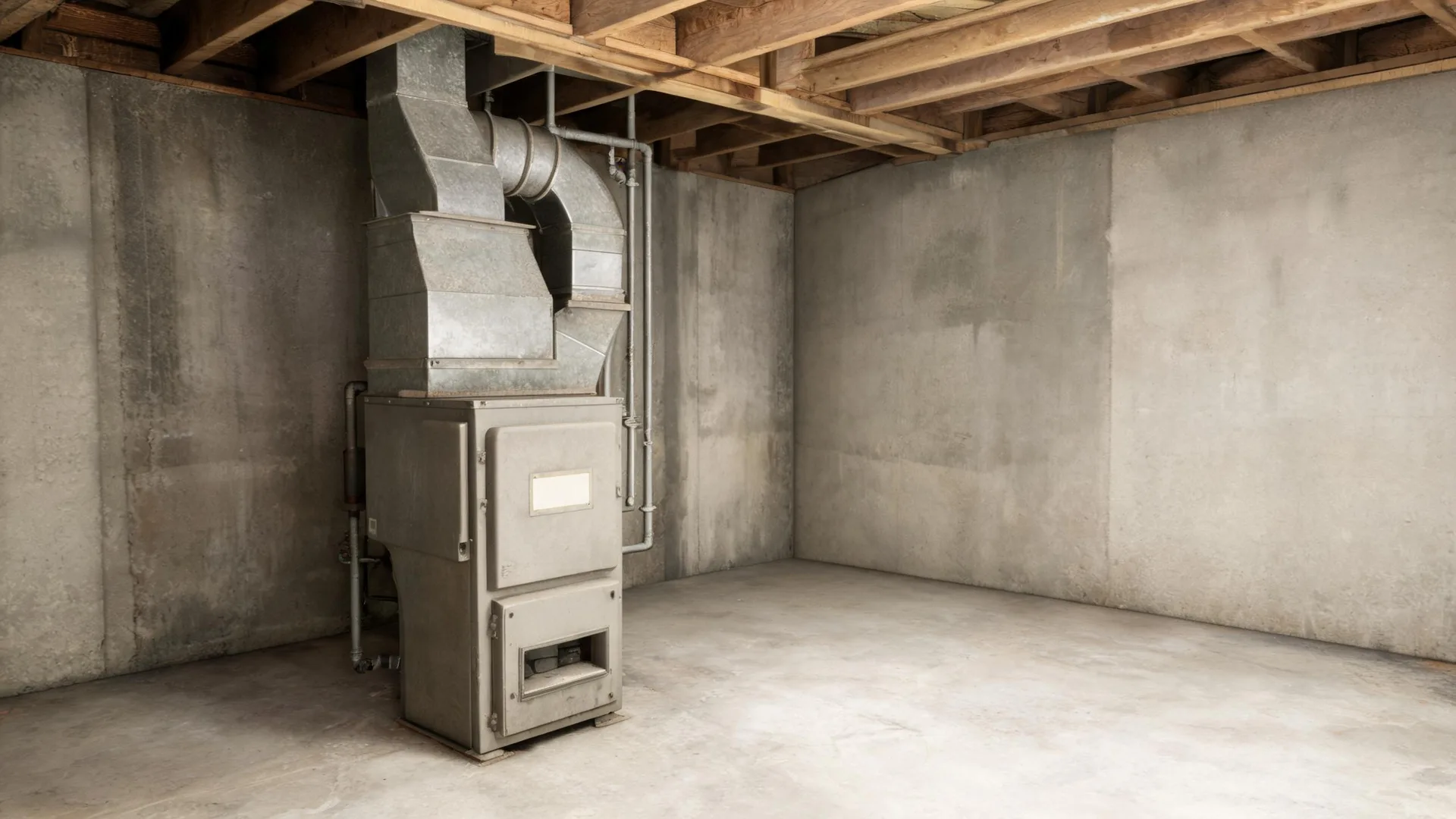
A gas furnace and sheet-metal air handler unit installed in an unfinished concrete basement.

Furnace Installation in Kimberling City, MO

Tell us about the job

Takes about a minute. No obligation.

New system or replacementFurnace or heatingStone County, MO
Step 1 of 2

What ZIP code is the job in?

Stone County sees its share of severe weather

Stone County recorded 190 severe weather events between 2015 and 2024, including 100 damaging wind events, 68 hail events, 8 tornadoes, and 11 winter storms. That's a lot of chances for a system to get tested.

Outages here aren't rare

Across Missouri, 19% of households went at least 24 hours without power in 2024. A furnace that heats with electricity needs power to run, so a long outage in the middle of a cold stretch is worth planning for before the install, not after.

7 months
October through April, your furnace is on duty
27°F
the average winter night it heats against
80% AFUE
the federal minimum any new unit must meet
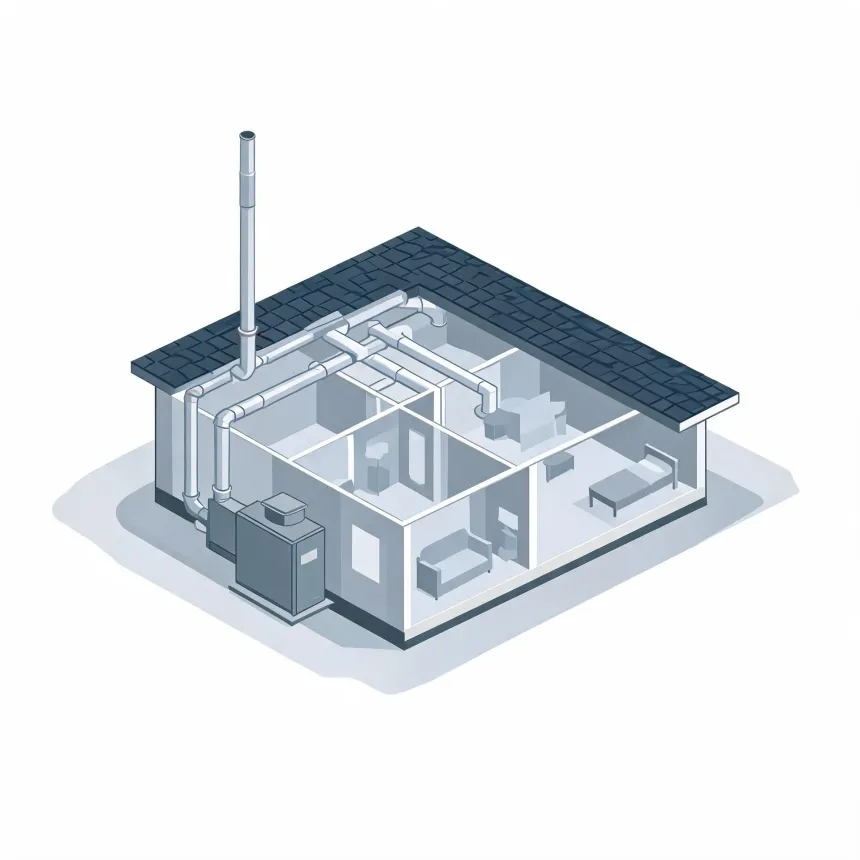
Isometric cutaway illustration of a single-story house with a dark shingled roof, showing interior rooms with furniture, a ducted air distribution system, a tall vertical flue pipe, and a gray furnace unit outside the wall.
Your furnace works hardest from November through March.

NOAA nClimDiv, 1991–2020 normals

Furnace installation here goes faster in September, before the first cold night sends every homeowner in Stone County looking for a contractor.

Get the new furnace in before October and it's running on your timeline, not during a cold snap with the old one already dead.

Most furnaces installed here run on electricity, same as the one before

62.2% of homes heat with electricity
Climate zone 4A
Heat runs October through April

Stone County falls under zone 4A in the 2021 energy code, a mixed climate that asks real work of both the furnace and the AC. Any gas furnace installed here has to clear a minimum efficiency set by its manufacture date. Units built on or after November 19, 2015 have to turn at least 80 percent of the gas they burn into heat. Starting December 18, 2028, that minimum jumps to 95 percent. A furnace installed before that date still only has to meet the 80 percent mark, so the rule that applies depends on when the unit was made, not when it goes in the ground. A federal tax credit is available for qualifying high-efficiency equipment, worth checking against whatever system you're considering.

Plan for the outage before the furnace goes in

If the power goes out during a cold stretch, an electric furnace stops until it comes back. Ask about where the new unit goes and what backup options fit your setup before it's installed, not after the lights go out.

Find a contractor
A gray gas furnace with attached ductwork and piping installed in an unfinished concrete basement.

The old furnace doesn't just disappear

A furnace doesn't go in a dumpster whole. The installer disconnects the gas line if there is one, capping it off so there's no leak, then pulls the electrical connections and the venting or flue pipe. If it's a gas furnace, that flue connection matters: it has to be dealt with properly so nothing's left open to the outside. The old ductwork usually stays and just gets fitted to the new unit, unless it was sized wrong for the house, in which case the installer may flag that separately. The cabinet itself gets hauled out, and most installers recycle the metal rather than landfill it since a furnace is mostly sheet steel, copper, and aluminum. If the old system had a heat exchanger that was cracked or corroded, that's usually the reason it was being replaced in the first place, and it goes out with the rest. None of this is complicated work, but it has to happen before the new unit can be set, so it's part of the install day, not a separate trip.

The AFUE number is a fuel number, not a comfort number

The efficiency rating on a furnace tells you how much of the gas it burns turns into heat versus how much goes out the flue. It says nothing about how evenly a house heats or how fast a room warms up. A higher rated furnace can still leave a room cold if the ductwork feeding that room is undersized or poorly sealed.

A higher rating changes what the install looks like

Furnaces that clear the higher efficiency mark pull extra heat out of the exhaust before it leaves the house, which means that exhaust comes out cool instead of hot. Cool exhaust can't rise up a traditional metal flue, so it needs its own venting, usually PVC pipe run through a wall or up through the roof. That's a different job than hooking into an existing chimney, and it changes where the vent termination can go outside.

Comparing furnaces means comparing more than the unit itself. Ask what size the contractor is proposing and how they landed on it. A furnace that's too big cycles on and off fast, which wears out parts sooner and leaves the house feeling uneven anyway. That size should come from a load calculation on the house, not just a match to what's being pulled out. Ask what the warranty covers, parts versus labor, and for how long, since those are often different lengths. Ask what happens to airflow if the new unit is more efficient than the old one, since that can mean changes to the ductwork or venting that aren't obvious from the sales brochure. And ask what the second stage or variable speed actually does in a system that has one, since not every furnace sold as high efficiency runs that way all the time.

Install day starts with the old unit coming out, then the new one gets set in its place, usually on the same pad or platform. The installer runs new connections: gas line, electrical, and venting, even if the old ones are being reused, because fittings get checked rather than assumed good. Once it's set and connected, the ductwork gets tied in and sealed at the connection points. Then comes startup: checking gas pressure, checking the flame, checking that the blower is moving the right amount of air. A combustion analyzer gets used to check the exhaust itself, confirming the furnace is burning clean before anyone calls it done. Last step is usually cycling the system a few times, watching it fire, run, and shut off the way it should.