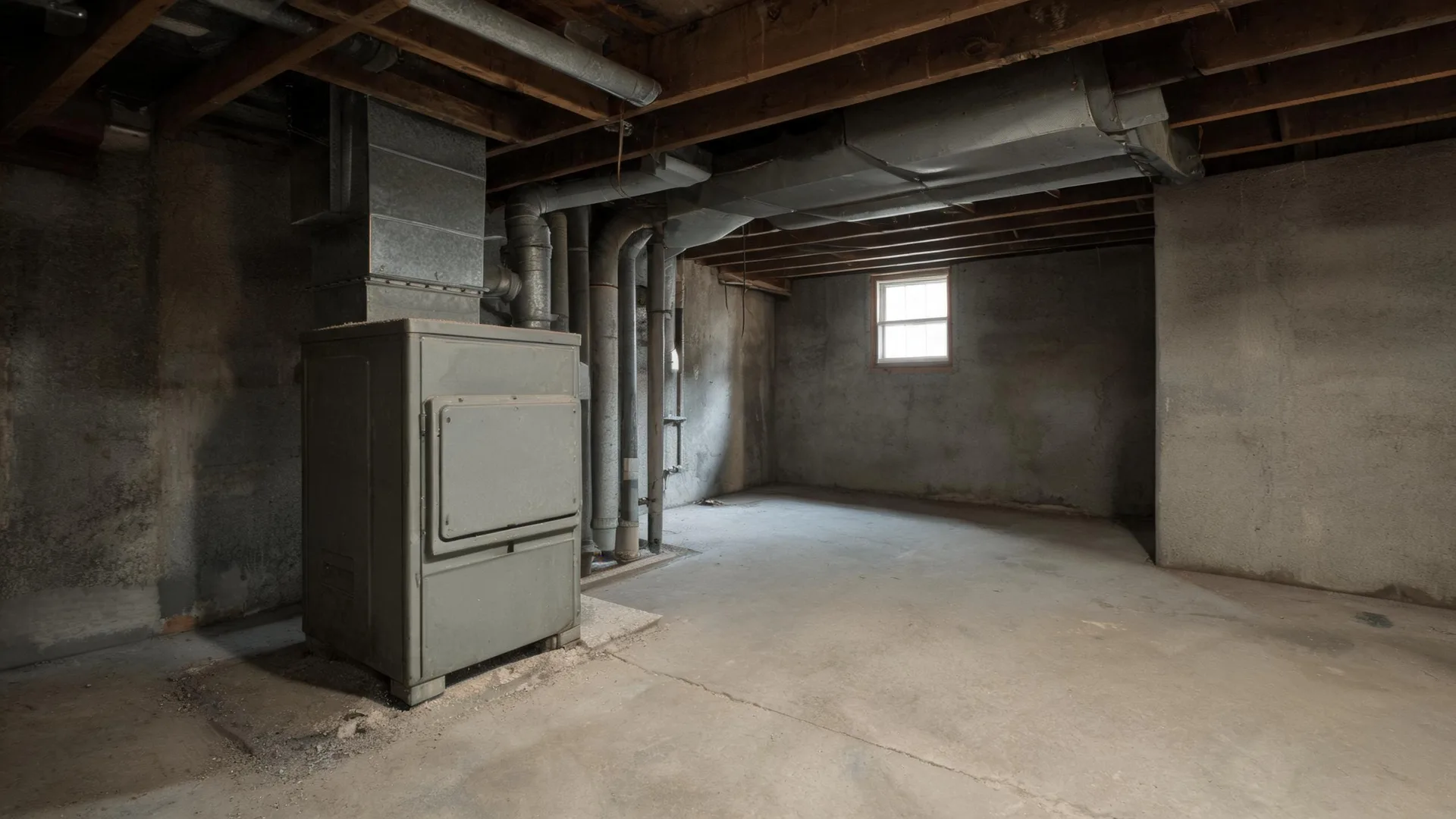
Electric heat costs what the state charges
Missouri homes paid $37.84 per million Btu of electricity in 2024. A furnace running on electric heat pulls straight from that rate, all winter long, with nothing to soften the number.
Takes about a minute. No obligation.
Missouri homes paid $37.84 per million Btu of electricity in 2024. A furnace running on electric heat pulls straight from that rate, all winter long, with nothing to soften the number.
You can't change what the power company charges. You can change how much of that power turns into heat instead of waste. That's what to weigh when you compare furnaces for this job.
NOAA nClimDiv, 1991–2020 normals
Furnaces here start running in October.
Replace it in September and the job happens on your schedule, not during the first cold snap.



Lincoln County falls under zone 4A, a mixed climate that asks real work of both heating and cooling. That rating sets a floor for any furnace installed here. Since November 2015, gas furnaces have had to turn at least 80 percent of the fuel they burn into heat over the winter. That number steps up to 95 percent for furnaces built on or after December 18, 2028. If you're running electric heat, that fuel standard doesn't apply to your system, but it tells you where the bar sits for the market you're buying into.
The power rate is fixed. What the new furnace does with it isn't. Spend the comparison time on efficiency, not price alone, and the choice pays you back on every bill from the first cold month on.
Find a contractor
A furnace gets replaced while it still runs. Most don't fail outright, they just get swapped before the heat exchanger cracks or the blower motor seizes for good. Once the new unit is in, the old furnace comes out whole, usually in one or two pieces, and the installer hauls it off. There's no reason to keep it around as a backup. The heat exchanger has been through years of heating and cooling cycles each time it fired, and metal fatigued that way doesn't get more reliable with age. Scrap places take the cabinet for the metal. Anything with refrigerant in it, which a straight furnace doesn't have, would need to be recovered first by law, but a furnace itself is just steel, copper wiring and a few electrical parts. None of that needs special handling. The only thing worth checking before it leaves is whether the old ductwork and venting get reused or replaced along with it, since those connect straight to the new unit and are worth a second look while everything's already apart.
A furnace has to match the heat loss of the house it's going into. One sized too small runs constantly and never quite catches up. One sized too big cycles on and off fast, which wears the heat exchanger and leaves rooms uneven. Getting the size right takes a load calculation, not a guess based on the old unit's size tag. That calculation, and the ductwork changes it sometimes calls for, is where a lot of the job's cost actually comes from.
Two furnaces with the same rating can run differently depending on how they're put in. Ductwork that's too narrow chokes the airflow a furnace needs to run efficiently. A return that's undersized makes the blower work harder than it should. Venting has to be sized and routed to match how the furnace fires. None of that shows up on the unit's price tag, but all of it shows up in how the furnace performs once it's running.
A load calculation looks at the whole house, not just square footage. Window area, insulation, ceiling height, even which way a wall faces all change how fast a room loses heat. Two houses the same size can need different sized furnaces because of it. The old unit's size tag doesn't factor into that math at all, it just tells you what the last contractor installed, right or wrong. An oversized furnace reaches set temperature fast, shuts off, then cools and fires again within minutes. That short cycling puts more wear on the ignition system and the blower than steady runtime would. An undersized one does the opposite, running long stretches without ever closing the gap on a cold day. Getting the size right the first time means the furnace spends most of its time doing what it's built to do, which is run a normal cycle and shut off.
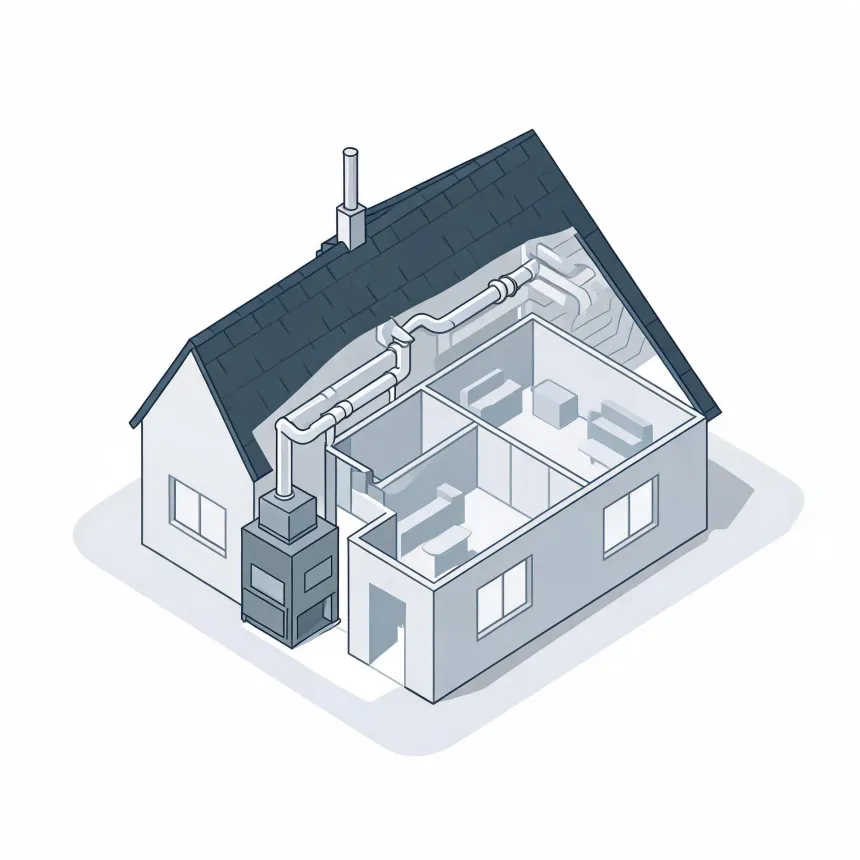
Installation day starts with the old furnace still connected. The installer shuts off gas or power to the unit, disconnects the ductwork and venting, and gets it out of the cabinet space before anything new goes in. Once the space is clear, the new furnace gets set, leveled, and connected to the existing ducts, or new ones if that's part of the job. Gas lines, if there are any, get pressure tested before the furnace ever fires. Electrical connections get checked the same way. The last steps are the ones that matter most: firing the furnace, watching it run a full cycle, and checking the temperature rise against what the manufacturer specs for that model. A furnace that doesn't hit the right rise is going to run wrong every day after, so that check happens before the installer leaves, not after a callback.