





A lit brick residential street at dusk showing a row of two-story homes with covered porches and mature trees.

Furnace Installation in Sikeston, MO

Tell us about the job

Takes about a minute. No obligation.

New system or replacementFurnace or heatingScott County, MO
Step 1 of 2

What ZIP code is the job in?

Scott County saw 144 severe weather events between 2015 and 2024. Most of that was wind, 112 events, the kind that snaps branches onto power lines. There were also 12 hail events, 6 tornadoes, and 13 winter storms with heavy snow or ice. Any of those can knock the power out, and a furnace that runs on electricity needs that power to start and to keep running. Statewide, nearly one in five Missouri households went at least 24 hours without power in 2024. A new furnace is worth picking with that in mind.

7 months
October through April, your furnace is on duty
29°F
the average winter night it heats against
80% AFUE
the federal minimum any new unit must meet
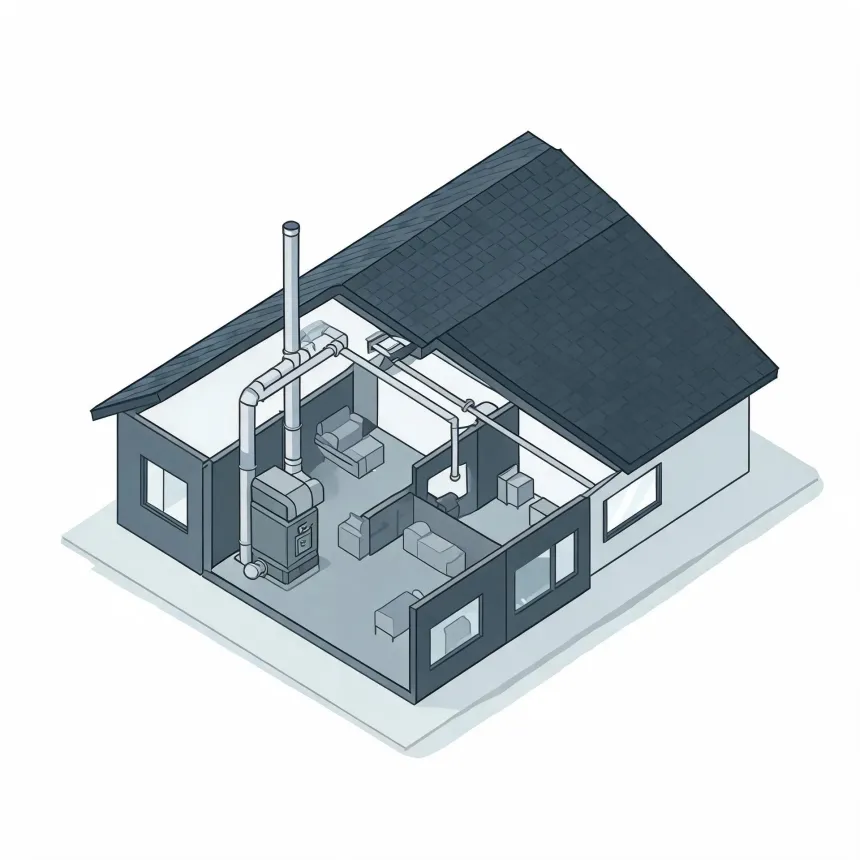
Isometric cutaway illustration of a single-story house showing interior rooms with furniture, a furnace unit connected to ducting and vertical flue pipes running through the roof.
Your furnace works hardest from November through March.

NOAA nClimDiv, 1991–2020 normals

The size of the furnace has to match the house, not the budget.

An oversized unit short cycles and wears out early, an undersized one runs nonstop and still can't keep up.

Here, a new furnace almost always means electric

57% of homes heat with electricity
Climate zone 4A
Heat runs October through April
Get it done before OctoberFurnace season runs seven months here, October through April, so a hurried install in the cold is the one to avoid.

Scott County falls under zone 4A, a mixed climate code that expects a furnace to handle real heating and real cooling, not just one or the other. Any gas furnace sold here has to turn at least 80 percent of what it burns into heat over the winter, a federal floor that's been in place for units made since late 2015. That floor rises to 95 percent, but only for furnaces manufactured on or after December 18, 2028. Homeowners installing electric furnaces aren't bound by that gas rating, but the same zone 4A standard still shapes what's worth putting in. A federal tax credit is available for qualifying high-efficiency equipment, separate from any rule about what a contractor can legally install.

Build the outage into the plan now

Plan the outage into the install itself. Ask about a transfer switch or backup power for the furnace, especially if anyone at home depends on heat. Ask where the outdoor equipment will sit, since wind and hail are what hit this county most. These are decisions made at install, not after.

Find a contractor
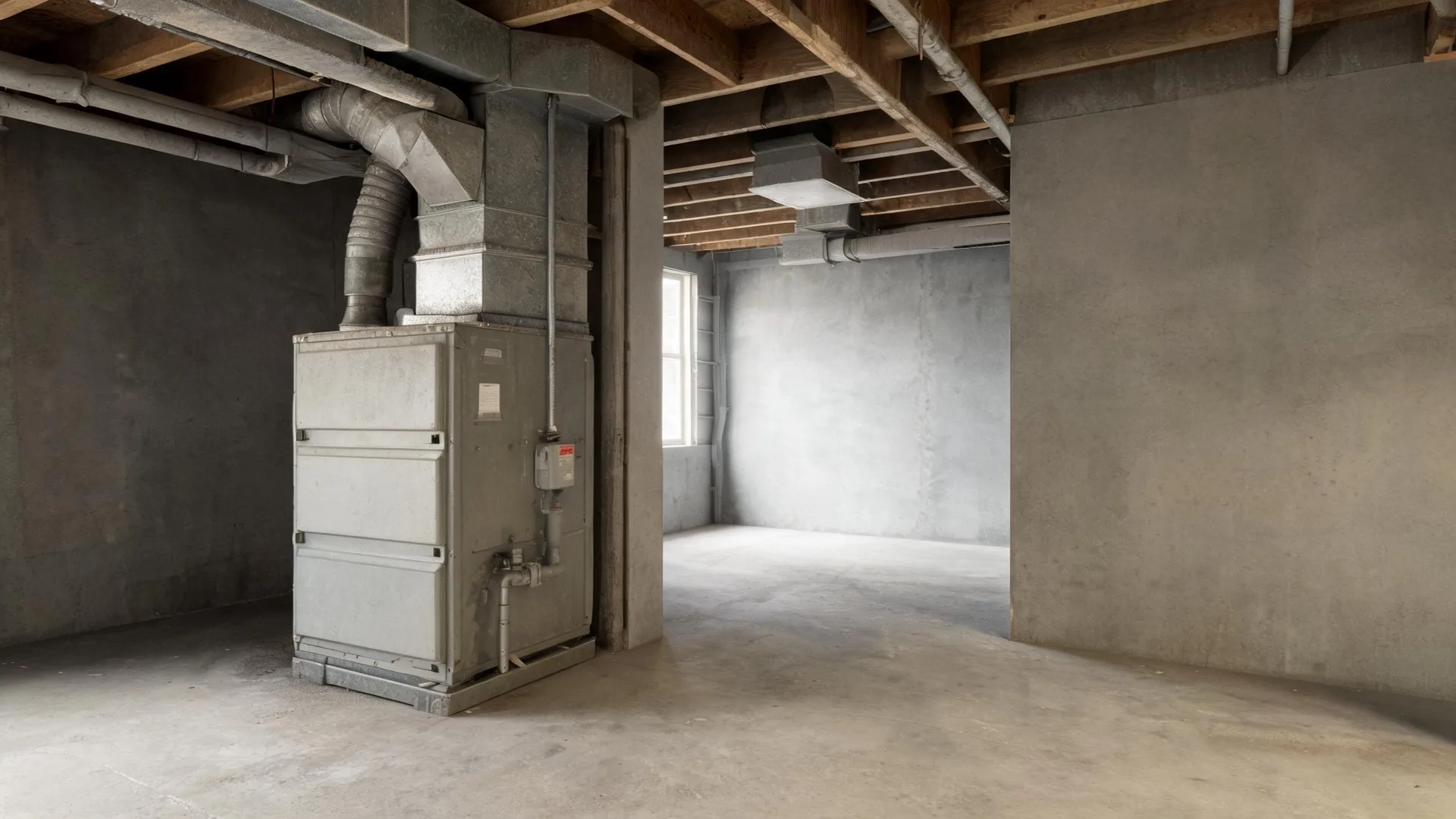
A gray gas furnace with attached ductwork and piping installed in an unfinished concrete basement.

Ask what happens after years of running, not just on day one

Ask what the furnace is rated to do, not just what it's rated to burn. Two furnaces can carry the same efficiency number and still behave differently once they're running for months at a stretch. Ask about the heat exchanger, since that's the part that cracks first under years of heating and cooling cycles, and ask what it's made of. Ask about the blower motor too. A variable speed motor ramps up and down with demand and tends to last longer than one that only knows on and off, because it isn't slamming to full speed every time it starts. Ask how the furnace stages its heat. A single stage unit fires at full output every cycle, a two stage or modulating unit can run a lower flame for longer stretches, which means fewer starts and stops over a long run. Ask about the ignition system, since a hot surface igniter is a wear part and will eventually need replacing, where some older designs used a standing pilot that stays lit but burns fuel the whole time. Whatever you're comparing, ask what the warranty actually covers after years of daily cycling, parts, labor, or just parts, because that's when a furnace earns its keep or starts costing you in repairs.

The old furnace comes out whole

A contractor disconnects the gas line or power feed, pulls the duct connections apart, and takes the cabinet out in one piece or close to it. If it's a gas furnace, the flue or vent pipe comes down too, since the new unit likely vents differently. None of this touches the ductwork already running through the house, just the box that was pushing air into it.
The old unit doesn't go in the trash

A furnace is mostly steel and copper, and scrap haulers take both. Most contractors either haul it off as part of the job or know where it goes next. Freon isn't part of a furnace, so there's no refrigerant recovery step like there is with an air conditioner, just disconnecting and hauling.

A furnace is sized by heat loss, how fast a house bleeds heat on the coldest day, not by square footage alone. A contractor works that out room by room, counting windows, doors, exterior walls, insulation, and ceiling height, because two houses the same size can lose heat at very different rates. That number gets matched to a furnace's output rating, not rounded up for safety. Bigger isn't a cushion. A furnace that outsizes the house heats the air fast, shuts off, and starts again a few minutes later, which stresses the heat exchanger and never gives the system time to run a full cycle. One that's too small just runs and runs, straining to reach a setpoint it can't hold on the coldest days. The right size is the one that runs long steady cycles and keeps up without strain.

Install day starts with the old furnace coming out and the new one going through its paces before anyone calls it done. A contractor sets the cabinet, connects the supply and return plenums, and runs the gas line or electrical circuit depending on what the unit needs. Then comes the duct connection, sealing the joints so air isn't leaking into a crawlspace or attic before it ever reaches a room. Once it's wired and connected, the furnace gets fired up and checked against the manufacturer's specs, airflow, temperature rise, and for a gas unit, the burn itself. A furnace running too hot or too cool at the register usually means the airflow or the gas pressure needs adjusting before anyone walks away. The thermostat gets set up last, since that's what the homeowner will actually touch once the job is finished.