A nighttime street view of several illuminated two-story red brick homes with front porches, flanked by a large tree.

Furnace Installation in Raymore, MO

Tell us about the job

Takes about a minute. No obligation.

New system or replacementFurnace or heatingCass County, MO
Step 1 of 2

What ZIP code is the job in?

This county gets hit

Cass County logged 178 severe weather events between 2015 and 2024, including 89 damaging wind events, 74 hail events, 6 tornadoes and 9 winter storms. A furnace install here has to plan for an outdoor unit that takes more wind and hail than most places see.

The power goes out too

19% of Missouri households lost power for 24 hours or more in 2024. A gas furnace still needs electricity for the blower and controls. When the power cuts out, the furnace stops with it unless there's a plan for that.

7 months
October through April, your furnace is on duty
24°F
the average winter night it heats against
55%
of homes here heat with gas, so most furnaces here burn gas
80% AFUE
the federal minimum any new unit must meet
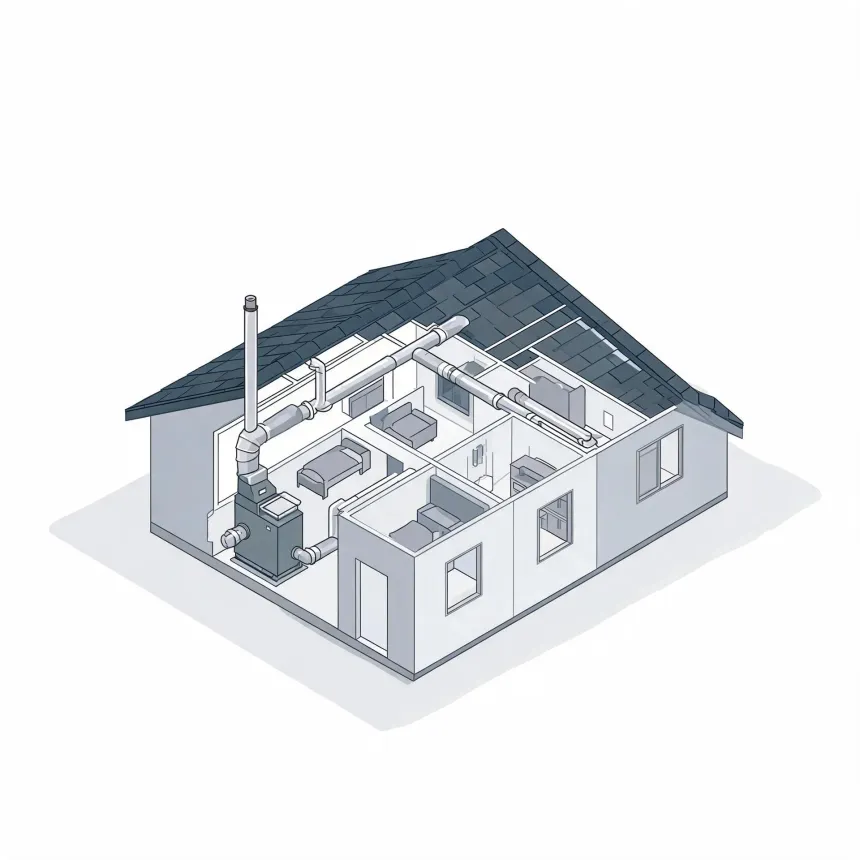
Isometric cutaway illustration of a single-story house showing interior rooms with furniture, ceiling ductwork, a furnace unit with a tall flue pipe, and a dark shingled roof.
Your furnace works hardest from November through March.

NOAA nClimDiv, 1991–2020 normals

The old furnace doesn't get hauled off still running.

A contractor disconnects the gas line and the venting first, then shuts it down for good before the new one goes in.

Seven months of heat means a narrow window to get this right

Heat runs October through April
Winter nights average 24°F
Climate zone 4A
Most furnaces here run on gasUtility gas heats 54.8% of Cass County homes, more than any other fuel

Cass County falls in climate zone 4A, which asks real work from a furnace both in deep winter and against the humid summers here. Any furnace installed now has to turn at least 80 percent of the gas it burns into heat over the winter. That floor goes up to 95 percent for furnaces built on or after December 18, 2028, so the market is already shifting toward units that waste less gas than the ones in most homes here today. A furnace that clears the higher mark can also qualify for a federal tax credit. Either way, the unit going in has to meet the 80 percent minimum at least. That's not a sales pitch, it's the law for what can legally be installed here.

Settle the outdoor unit and the backup plan while the furnace is going in

This is the point to decide where the outdoor unit sits and what backs up heat and hot water when the power drops. Both get settled when the furnace goes in, not after a storm already found the gap.

Find a contractor
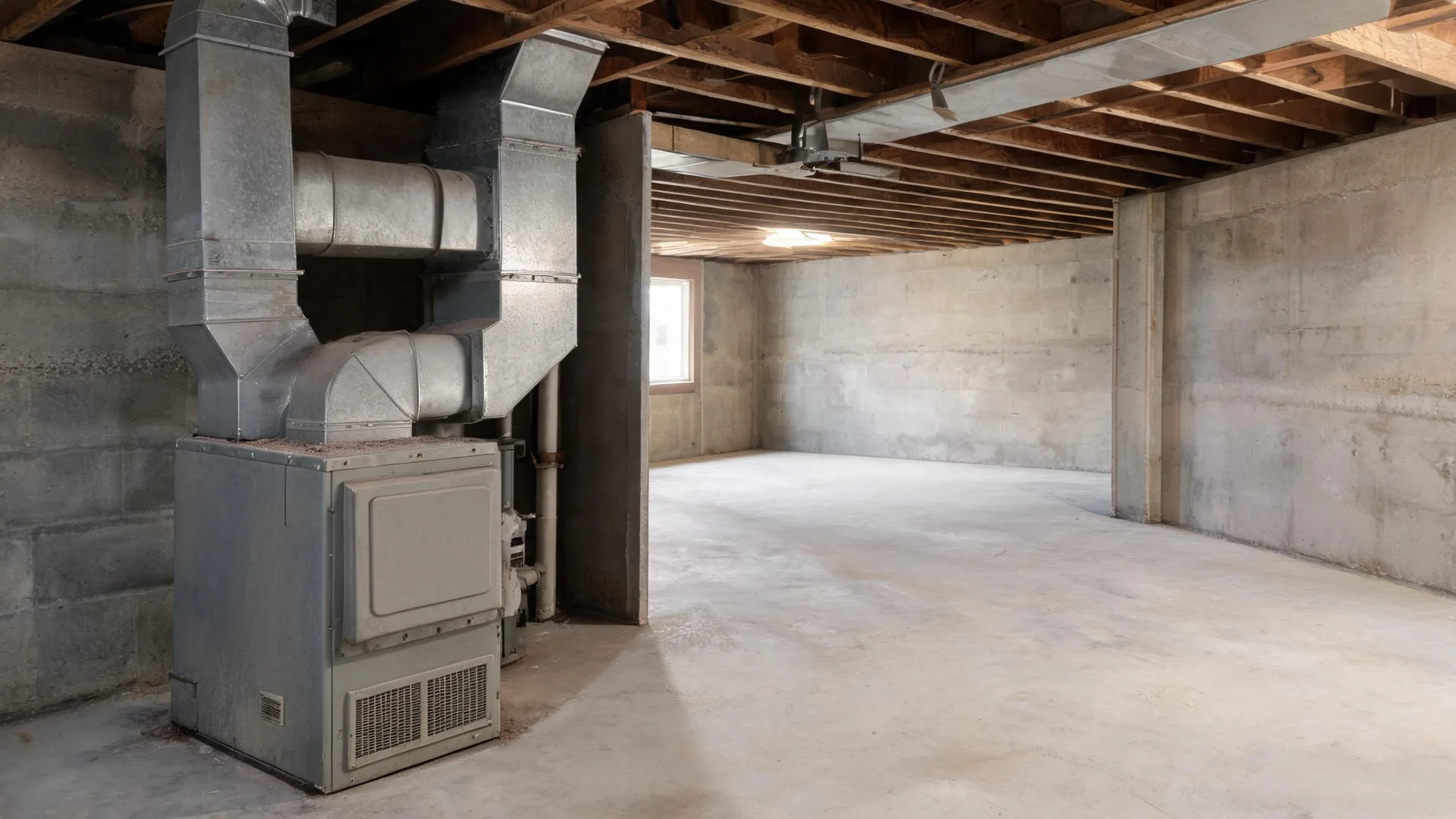
A gray residential gas furnace installed in an unfinished basement, connected to sheet-metal ductwork and PVC pipes.

The label tells you the ceiling, not what you'll actually get

The AFUE number on the label tells you how much of the gas burned turns into heat in the house versus how much goes straight out the flue. A furnace rated higher wastes less gas doing the same job. That rating holds steady for as long as the heat exchanger and burners stay clean and the airflow across them stays right. A clogged filter or blocked return makes the furnace work harder to push the same heat through, and it won't hit that rated efficiency no matter what the label says. The rating also assumes the unit is sized to the house. A furnace too big for the space cycles on and off more than it should, and short cycling wears on the ignition system and the blower motor long before the efficiency rating means much of anything.

Size drives most of the cost

A furnace is sized to the heat loss of the house, not picked off a shelf. A contractor works out how much heat the place loses on the coldest days and matches the furnace to that load. Go bigger than that and the house pays for a furnace that cycles more than it should, which wears the ignition system and the blower motor early. The sizing work costs something before any equipment shows up, and it's what keeps the rest of the install from being a guess.

The install is more than the box

Venting, ductwork and the gas line all get touched during an install, and what they need varies by house. A furnace that vents through a wall needs different pipe than one that vents through the roof. Ducts sized for the old furnace don't always suit the new one, especially if the new furnace moves air at a different rate. Any of that work adds to the job before the furnace itself is even running.

An unfinished basement containing a metal furnace with ductwork, exposed wooden joists on the ceiling, cardboard boxes, a coiled cable, and a single hanging incandescent bulb.

A high-efficiency gas furnace would save about $160 a year to run in Cass County compared with a gas furnace.

  • A high-efficiency gas furnace$780 a year
  • A gas furnace$940 a year

Estimates for a typical Cass County home, from EIA household energy data, Missouri fuel prices and NOAA climate normals. Your home will differ.

Setting the new furnace in place is the easy part of the day. Most of the work is in what connects to it. A contractor runs new vent pipe or reuses the old run if it still fits the furnace going in, since a furnace that vents through a wall needs different pipe than one that vents through the roof. The gas line gets hooked up and checked for leaks before the burners ever fire. Ductwork ties into the plenum, and if the old ducts don't match what the new furnace moves, that gets sorted out here rather than left for later. Once it's wired in, a contractor runs the furnace through a full cycle, checking the flame, the temperature rise across the heat exchanger and the pressure in the gas line before calling the job finished.