





A nighttime view of a tree-lined residential street with illuminated two-story brick houses and street lamps.

Furnace Installation in Sedalia, MO

Tell us about the job

Takes about a minute. No obligation.

New system or replacementFurnace or heatingPettis County, MO
Step 1 of 2

What ZIP code is the job in?

Missouri electricity ran $37.84 per million Btu in 2024. Most furnaces around Sedalia run on electricity, not gas, so that rate applies to every heating hour this winter. A furnace that wastes power turns that cost into a bigger bill, month after month. One that runs efficiently pulls less power to do the same job, and the difference holds for as long as the furnace is in the house. Installing a new unit is the moment that efficiency gets decided.

7 months
October through April, your furnace is on duty
24°F
the average winter night it heats against
80% AFUE
the federal minimum any new unit must meet
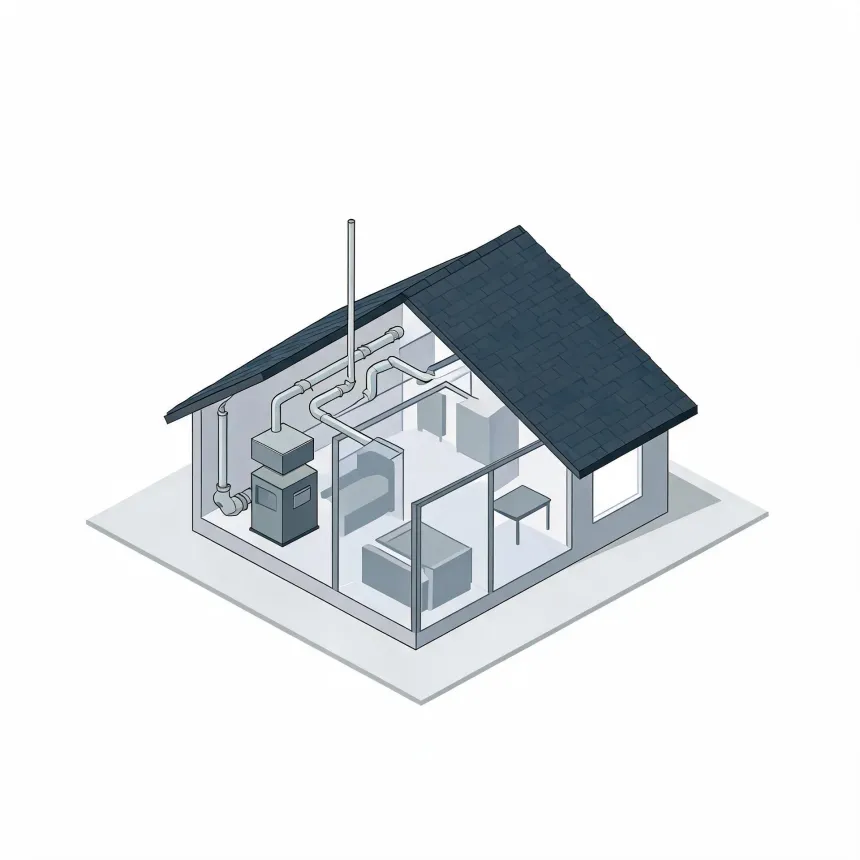
Isometric cutaway illustration of a small house with a dark shingled roof, showing an interior furnace unit, ductwork, and a flue pipe extending through the roof.
Your furnace works hardest from November through March.

NOAA nClimDiv, 1991–2020 normals

Electricity heats 44.7% of homes in Pettis County, more than gas and propane combined.

An electric furnace is the straightforward swap for most homes in Sedalia.

Seven months of heat a year means the installation date matters

Heat runs October through April
Winter nights average 24°F
Climate zone 4A

Pettis County falls under zone 4A, a mixed climate that asks real work of both the furnace and the air conditioner. That rating sets a floor on what can be installed here, whether the system runs on electricity or gas. Most homes around Sedalia heat with electricity, and electric furnaces are not rated by that same combustion efficiency number. For the gas furnaces still sold here, the federal minimum is 80 percent of the fuel burned turned into heat, a number that holds until December 18, 2028, when it rises to 95 percent. A furnace bought before that date only has to clear 80.

Pick the furnace that costs less to run every month it's in the house

That rate on every electric heating hour is fixed before the furnace is even chosen. What changes is how much of it the furnace turns into heat instead of waste. Get the installation sized and set up right from the start, and that lower cost holds for as long as the furnace runs.

Find a contractor
A man in a gray shirt and brown pants, seen from behind, carries a canvas tool bag up porch steps toward a blue front door beside a potted shrub.
A gray high-efficiency gas furnace installed in an unfinished basement, surrounded by gas lines, a condensate drain, and sheet-metal ductwork.

The questions that tell you what you're actually buying

Two furnaces can carry the same rating and still land differently in a house. Ask what stage of heat each one runs. A single-stage furnace is on full blast or off, so it cycles more and swings the room's temperature as it does. A two-stage or modulating furnace holds a lower flame for most of the run and only opens up on the coldest stretches, which means it runs longer at a gentler output and holds a steadier temperature. Ask about the blower motor too. A fixed-speed blower pushes the same airflow regardless of what the ductwork asks for. A variable-speed motor adjusts itself to the duct system and draws less power doing it. Ask who is sizing the unit and how. A furnace sized off a load calculation that accounts for the house's square footage, insulation and window exposure will fit the place it's heating. One sized off the furnace it's replacing just repeats whatever mistake was already there. Ask what happens to the ductwork during installation, since a furnace can only deliver what the ducts are able to carry, and a mismatch between the two shows up as rooms that never quite get warm.

Taking out the old furnace is its own job

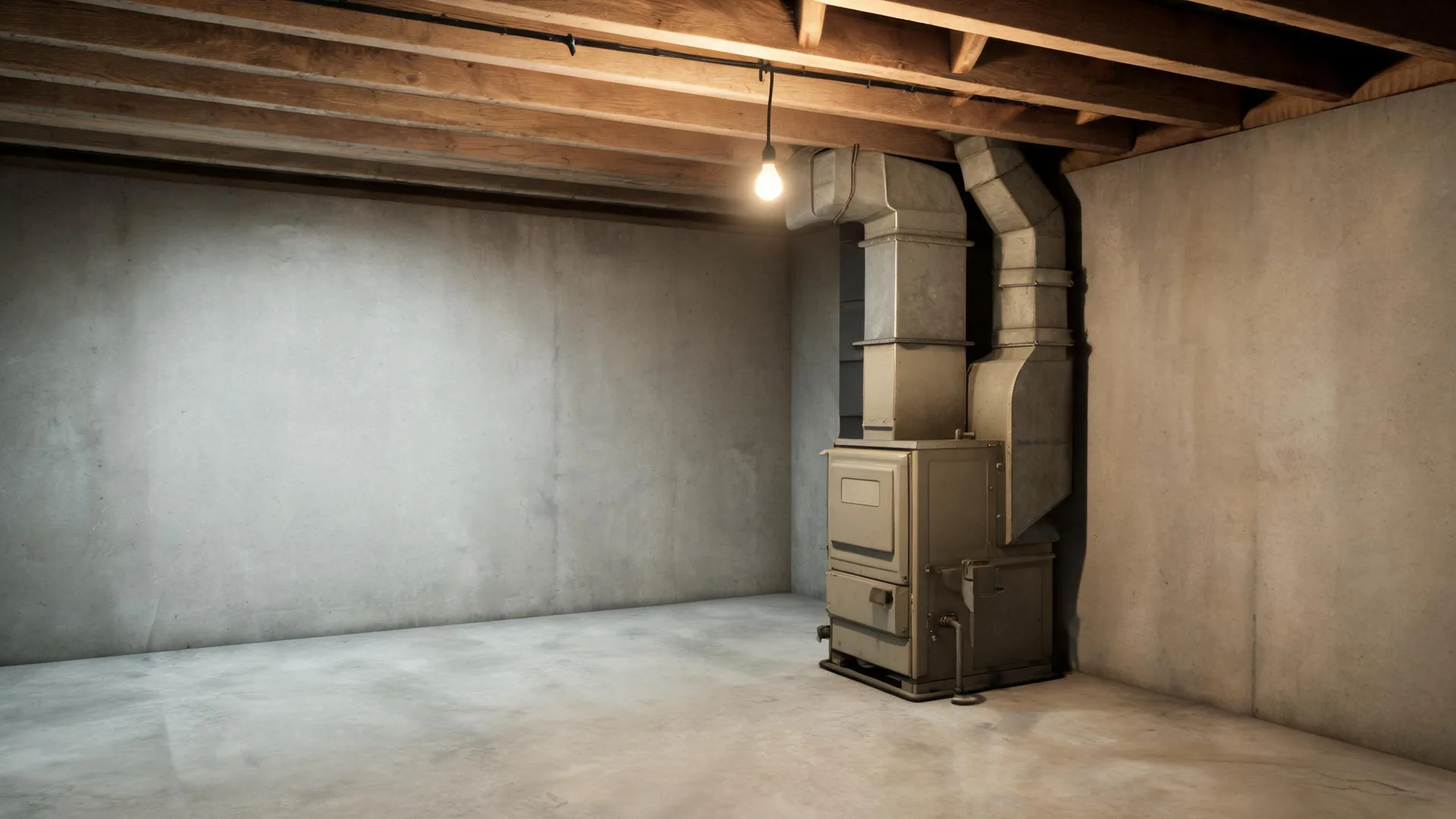
The old unit has to come out before the new one goes in, and that means disconnecting the gas line or electrical circuit, the vent or flue, and the ductwork connections first. If it's a gas furnace, the gas line gets capped off safely. The old unit still holds some weight, especially if it's a larger cabinet, so getting it clear of the space without damaging the ducts or the walls around it takes some care.
What's left behind matters as much as what's new

A furnace venting through a flue shared with a water heater changes what that flue can handle once the furnace is gone or swapped for a different fuel type. The electrical whip or gas line feeding the old unit may need to be modified to match what the new furnace actually requires. None of this shows up on a spec sheet, but skipping it is how a new furnace ends up fighting old infrastructure that was never built for it.

Sizing a furnace starts with how fast a house loses heat, not how big the house is. Two homes the same square footage can lose heat at different rates depending on insulation, window area and how much outside wall they have, so the only way to get the number right is a room by room load calculation, not a tape measure. A furnace sized too big doesn't heat better, it just reaches the thermostat's setting fast and shuts off, then does it again a few minutes later. That short cycling wears the ignition system and the blower motor harder than a normal run would, and it leaves cold spots in rooms the air never had time to reach. A furnace sized too small runs long and still can't catch up on the coldest days, so it just keeps pushing without ever getting the house where the thermostat wants it. The right size runs longer, steadier cycles and wears evenly, which is the whole point of doing the calculation instead of guessing from the unit it's replacing.

Installation day starts with a walkthrough before any tool comes out, checking where the return and supply ducts tie in, where the vent or flue will run, and where the gas line or electrical circuit needs to land. The old furnace comes out first, then the new cabinet gets set and leveled, because a furnace that sits even slightly off level can affect how the burner assembly and heat exchanger perform over time. From there it's the ductwork connections, the gas line or electrical whip, and the vent or flue pipe, each one sealed and secured before power or gas gets turned back on. Once it's hooked up, the furnace gets fired and run through its cycles while the technician checks gas pressure or electrical draw, airflow at the registers, and the temperature rise across the heat exchanger against what the manufacturer specifies. The last step is the thermostat, making sure it's wired to match the furnace's stages and talking to the system the way it should. None of this is quick work if it's done right, and skipping any one step is usually what shows up as a problem months later.