





An unfinished concrete basement containing a gas furnace with sheet-metal ductwork, utility shelving, and exposed overhead joists.

Furnace Installation in Lebanon, MO

Tell us about the job

Takes about a minute. No obligation.

New system or replacementFurnace or heatingLaclede County, MO
Step 1 of 2

What ZIP code is the job in?

Missouri electricity ran $37.84 per million Btu in 2024, and most houses around Lebanon heat with it. That number matters more here than in a lot of places, because an electric furnace draws on it every time it cycles on. A furnace with a lower efficiency rating turns more of that electricity into wasted heat instead of warm air in your rooms. Over a Lebanon winter, that difference runs through the meter again and again. The furnace you install now sets what every one of those cycles costs you.

7 months
October through April, your furnace is on duty
25°F
the average winter night it heats against
80% AFUE
the federal minimum any new unit must meet
Isometric line illustration of a cutaway single-story house showing interior rooms with furniture, ceiling ductwork, a chimney flue, and a furnace unit outside the exterior wall.
Your furnace works hardest from November through March.

NOAA nClimDiv, 1991–2020 normals

Homes here start running the furnace in October.

Installing it in September means it's tested and running before you need it.

Most homes here already run on electric heat, so installing a furnace means matching what the house is built for

62.7% of homes heat with electricity
Heat runs October through April
Winter nights average 25°F

Lebanon falls in climate zone 4A, a mixed zone where the energy code expects a furnace to carry real heating load and real cooling load over the year. Gas furnaces sold here have to meet a federal minimum too. Any furnace built from November 19, 2015 onward has to turn at least 80 percent of the gas it burns into heat. That floor holds until December 18, 2028, when new units have to hit 95 percent. If you install before then, your furnace only has to clear the lower bar, so it is worth asking what rating the unit you're looking at actually carries. A federal tax credit is available for qualifying high-efficiency equipment, on top of whatever the code requires.

The furnace you install now decides what every winter after it costs you

Electricity here runs $37.84 per million Btu, and your furnace draws on it all winter long. The efficiency rating on the unit you pick now is what decides how much of that you pay for years of winters after this one.

Find a contractor
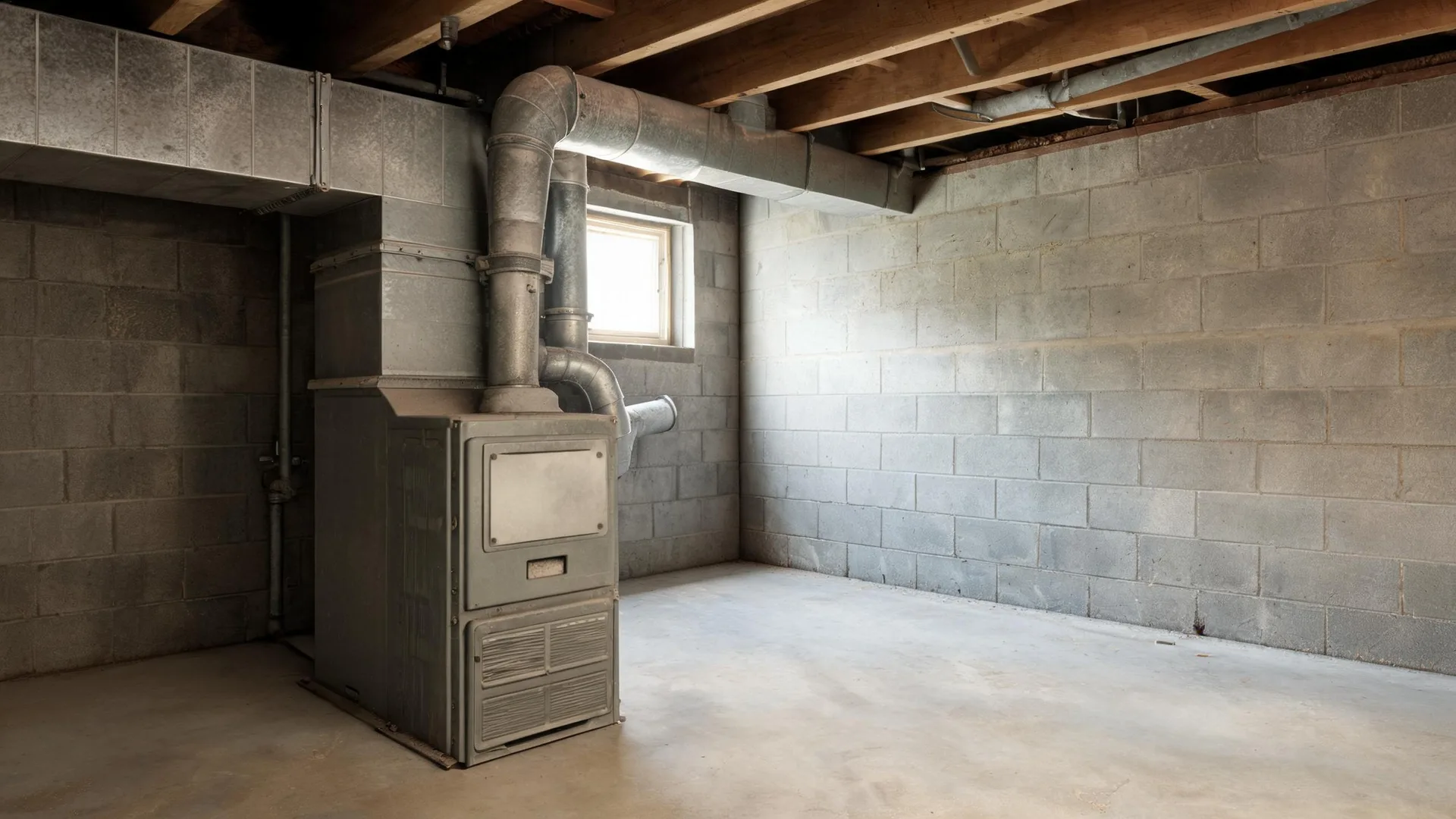
A gray gas furnace with attached ductwork and piping installed in an unfinished concrete basement.

Sizing isn't a guess

A furnace that's too big for the house shuts off before it's pulled the damp out of the air, so rooms feel clammy even at the right temperature. It also cycles on and off more often, and every start puts more wear on the igniter and the heat exchanger than a long, steady run does. A furnace that's too small just runs and runs, straining to catch up on the coldest days and never quite getting there. Sizing isn't a guess and it isn't based on square footage alone. A contractor works it out with a load calculation that accounts for the walls, the windows, the insulation, the ceiling height, and how the place is laid out, room by room. That calculation is what tells you the output the furnace actually needs, not the biggest one that fits the closet. Get the size right and the furnace runs in long, even cycles that hold the temperature steady and keep the wear on its parts to a minimum.

The old furnace has to come out whole

A contractor disconnects the gas line, the vent or flue, the ductwork, and the electrical before anything new goes in. If it's a gas furnace, that line gets capped and checked for leaks, not just shut off. The flue gets inspected too, since a new furnace sometimes vents differently than the one it's replacing and the old venting may not carry over.
What's hooked to the old unit matters now

If the old furnace shares a flue with a water heater, pulling it out can change how that flue drafts, and that gets checked before the new system is buttoned up. The same goes for the ductwork. A new furnace moves air differently than the old one did, and a contractor looks at whether the existing ducts and plenum still fit before connecting them to it.

A lot of what you pay for in an installation has nothing to do with the furnace sitting in the showroom. The ductwork already in the house either matches what the new unit needs or it doesn't, and resizing a plenum or adding a return takes real labor. The electrical hookup matters too. A furnace with a bigger blower motor can call for a heavier circuit than the old one used. Venting is its own piece of work, especially when the new furnace doesn't exhaust the same way the old one did. None of that shows up on the price tag of the unit itself, but a contractor has to account for all of it before the furnace ever gets set in place.

Install day starts with the old furnace coming out, and the new one doesn't go in until that's done and checked. Once it's set in place, a contractor connects the gas line, the vent, the ductwork and the electrical, then tests each one before moving to the next. Gas lines get pressure tested for leaks. The vent gets checked for draft, since a furnace only works safely if the exhaust actually pulls the way it should. The blower gets run through its paces, usually on more than one speed, to make sure it moves air the way the ductwork needs. Only after all of that does a contractor cycle the whole system a few times, watching the flame, the heat exchanger and the airflow together, before calling the job done.