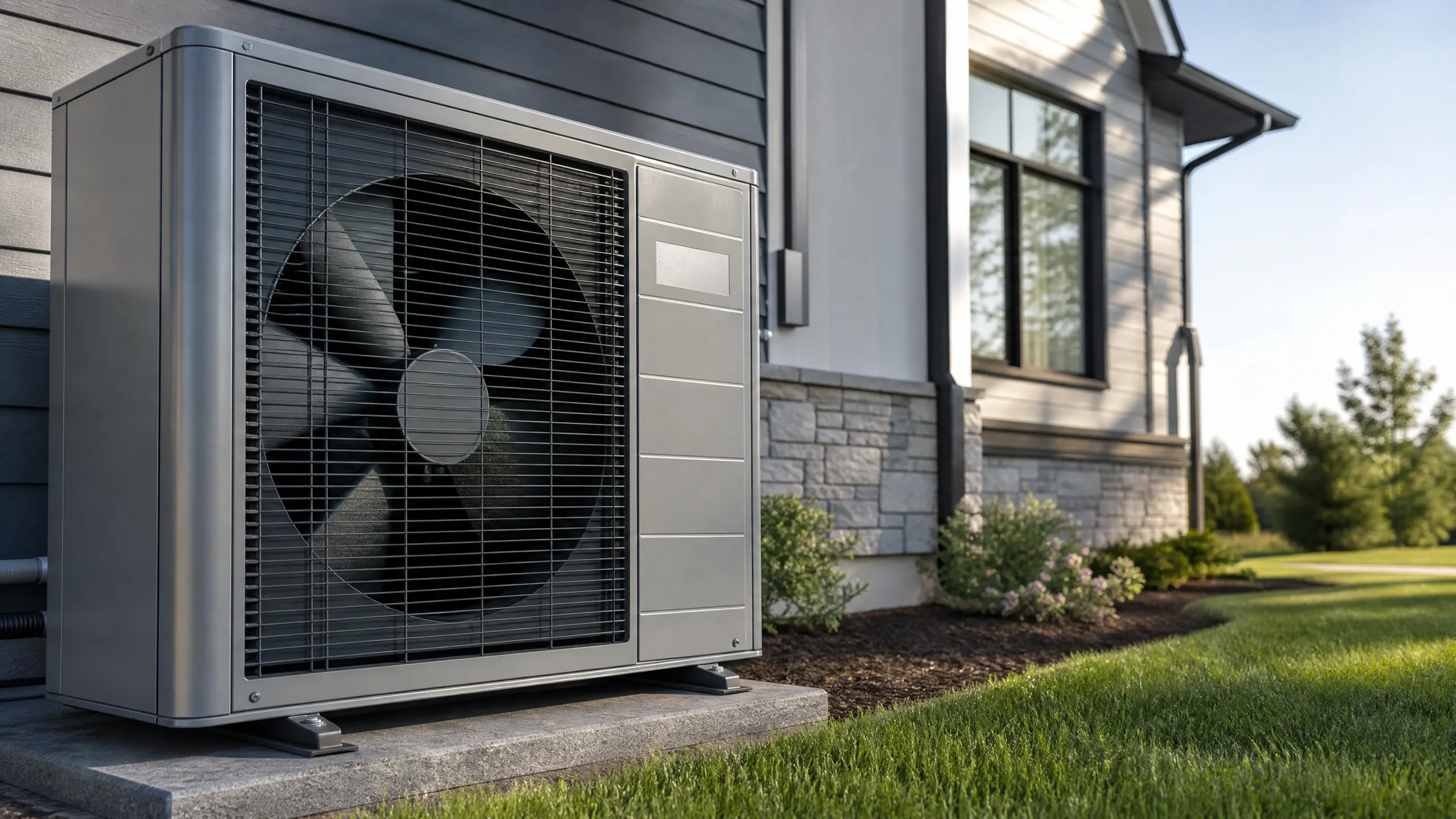



A grey heat pump outdoor unit mounted on a concrete pad against the exterior wall of a house with grey siding and stone veneer.

Heat Pump Repair in Florissant, MO

Tell us about the job

Takes about a minute. No obligation.

RepairHeat PumpSt. Louis County, MO
Step 1 of 2

What ZIP code is the job in?

Half the homes in St. Louis County were built in 1969 or earlier. If yours is one of them, the heat pump itself is probably not that old, but it may be on its second or third unit since the house was built. Each of those units has a normal span before repairs stop making sense. A compressor or reversing valve failure on a system already well into its years is a different decision than the same repair on a five-year-old unit. If you don't know when the system was installed, that's worth finding out before you spend much on this repair.

7 months
October through April, your system heats
5 months
May through September, it cools
26°F
the average winter night it heats against
87°F
the average summer afternoon it cools against
Isometric cutaway illustration of a gray house showing interior rooms, a central air handler with ducts in the attic, and refrigerant lines running to an outdoor condenser unit beside the building.
Your system heats October through April and cools May through September.

NOAA nClimDiv, 1991–2020 normals

St. Louis County took 77 hail events and 108 damaging wind events between 2015 and 2024, and your heat pump sits outside through all of it.

That kind of beating wears out parts sooner, so the fix needs to match what's actually failing.

Your heat pump switches over to heat in October and stays on through April, seven months of the year. The first real cold is usually when a weak part gives out, because that's the first time the system has had to work hard since spring. Overnight lows here average 26°F across December, January and February, and a heat pump works harder the colder it gets outside. If a part was already marginal, a night that cold is what pushes it over. That's why a repair call right as the weather turns is worth taking seriously instead of waiting to see if it gets worse.

Find out what you're repairing before you pay for it

Before you commit to the repair, find out how old the heat pump actually is and what it's on, the first unit this house has had or a later one. That one fact changes whether this repair is worth making.

Find a contractor
A man in a dark shirt and tan work pants, seen from behind, carries a canvas tool bag up wooden steps toward a blue front door of a gray clapboard house, with a shrub in a blue planter beside the door.
A gray heat pump condenser unit mounted on a concrete pad against the gray lap-siding exterior wall of a house.

Hours on the clock

A unit that runs this many months a year gets diagnosed in pieces too easily. Someone hears a bad noise, quotes a part, and moves on, but outdoor equipment that takes a hailstorm one year and a windstorm the next can have more than one thing wrong with it at once. A coil dented by hail restricts airflow, and that makes the compressor work harder even after the obvious damage gets fixed. Ask whoever comes out to check the whole system, not just the part that failed, before you sign off on the repair.

A refrigerant leak doesn't stay small

A heat pump low on charge makes the compressor work harder to move heat either direction, and it runs longer to get there. That extra strain is what kills compressors early. A leak that would have been a simple patch gets found only after the compressor itself is damaged, and at that point the repair is a different job.
A failing part puts load on the parts around it

A reversing valve that won't shift all the way, a weak capacitor, a motor that's starting to drag, none of these stop the system outright. They make something else work to cover for it. Running the unit while that's happening is what turns a single repair into two or three.

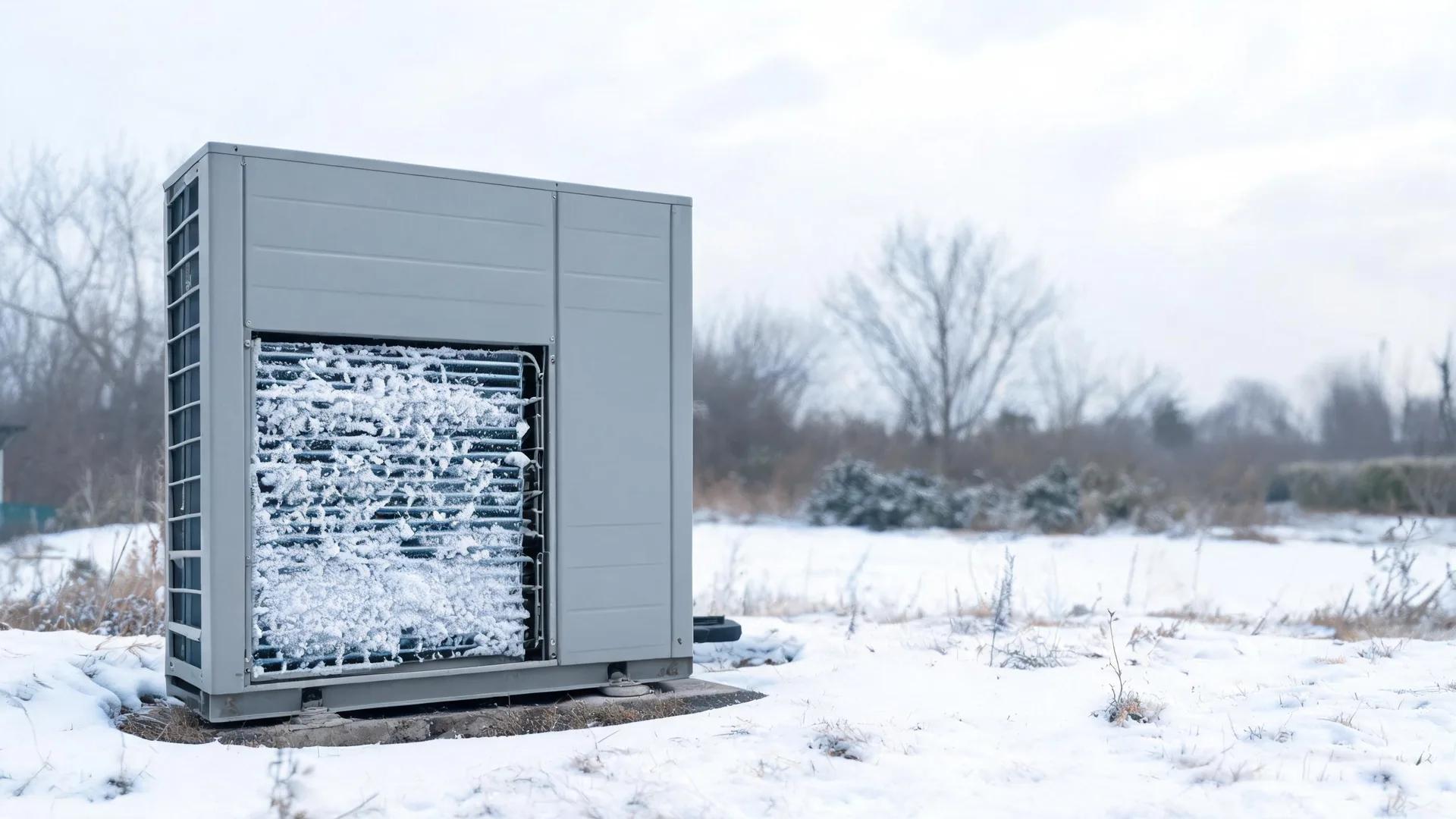
Before you call anyone, a few things take five minutes and tell you something real. Check the thermostat batteries and make sure it's set to heat, not fan only. Go outside and look at the outdoor unit. If it's covered in ice beyond a light frost, or if snow has drifted up against it blocking airflow, that's worth clearing before anything else. Check your breaker panel, a heat pump that won't start at all sometimes just tripped a breaker rather than failed outright. Inside, pull the air filter and hold it up to a light. If you can't see light through it, swap it, because a clogged filter starves the system of airflow and can make a working unit act like a broken one. None of this fixes a bad compressor or a stuck reversing valve, but it rules out the simple stuff first.

St. Louis County recorded 11 tornadoes and 9 winter storms between 2015 and 2024, on top of the hail and wind. An outdoor heat pump unit sits outside through all of it, with nothing between it and whatever comes through. Hail dents a coil without stopping the system right away, so it keeps running on damaged fins and loses efficiency slowly enough that you might not connect it to a storm from earlier in the season. Wind-blown debris does the same to a fan blade or a grille. If your area took a bad storm recently and the heat pump started acting up afterward, even if it still runs, mention the storm when you describe the problem. It tells whoever comes out where to look first.