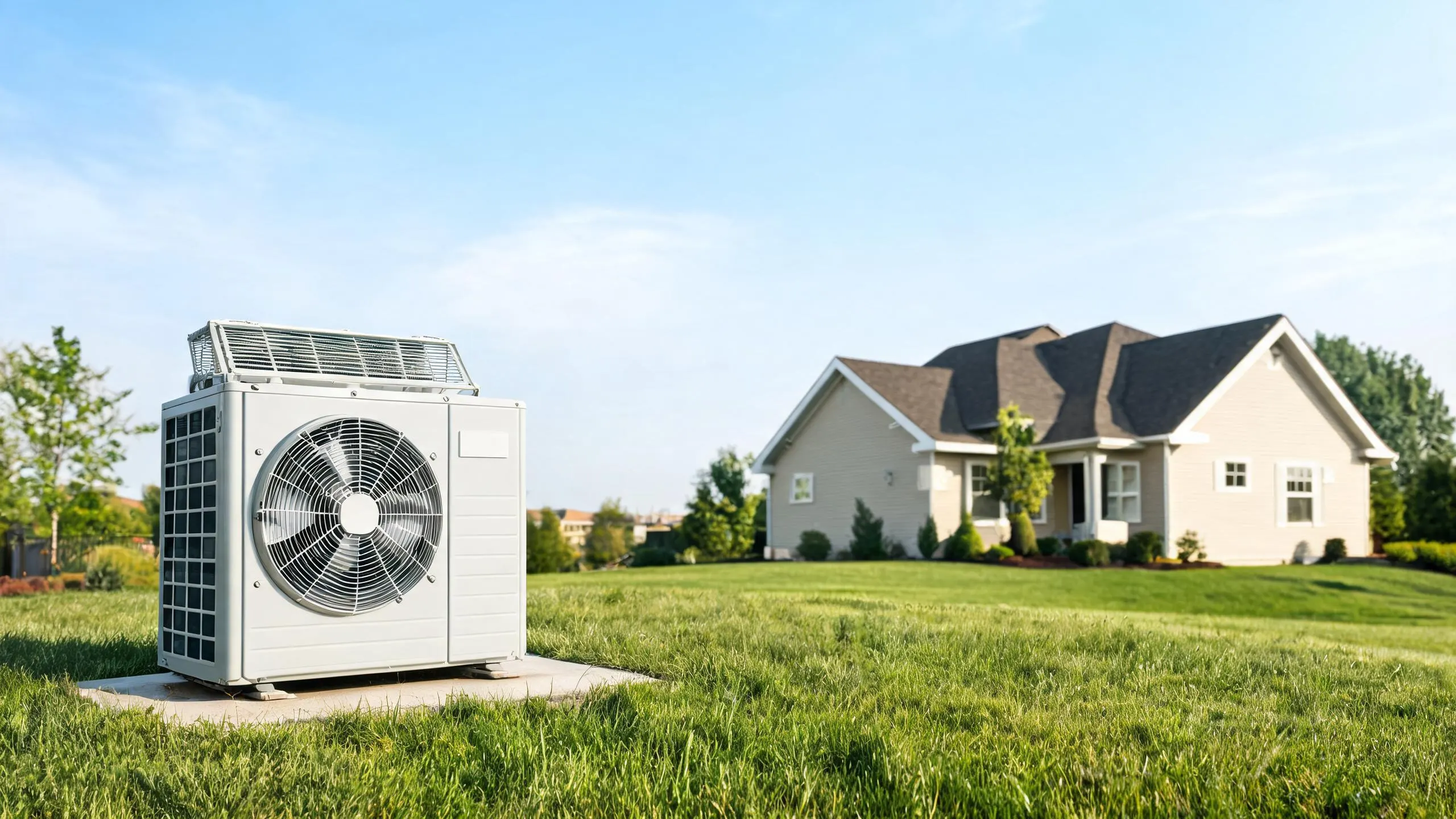







An outdoor air conditioning condenser unit mounted on a concrete pad in front of a single-story suburban house.

Heat Pump Repair in Warrensburg, MO

Tell us about the job

Takes about a minute. No obligation.

RepairHeat PumpJohnson County, MO
Step 1 of 2

What ZIP code is the job in?

Most heat pump failures start with the outdoor unit, since it runs in every season instead of taking half the year off like a furnace would. The capacitor is usually first to go. It gives the compressor and fan motor the jolt they need to start, and that part wears down with every single cycle until one day it can't deliver the jolt at all. A failing capacitor often shows up as a fan that hums but won't spin, or a system that clicks and tries to start but can't. The reversing valve is another common failure point, since it's what switches the system between heating and cooling, and a stuck valve will leave you with heat when you want cold air or the other way around. Low refrigerant charge from a slow leak shows up as weak output and ice forming on the outdoor coil. None of these are things to wait out, since a struggling system draws more power trying to do a job it can't finish.

7 months
October through April, your system heats
5 months
May through September, it cools
24°F
the average winter night it heats against
87°F
the average summer afternoon it cools against
Isometric grayscale illustration of a cutaway house showing interior rooms, ducted air handler and duct runs, connected by pipes to an outdoor condenser unit beside the building.
Your system heats October through April and cools May through September.

NOAA nClimDiv, 1991–2020 normals

Johnson County logged 148 severe weather events from 2015 to 2024, including 73 hail storms and 61 rounds of damaging wind.

Your outdoor unit sits outside through all of that, so hail dents and wind-blown debris can hurt it even if it's still running fine today.

Half the homes here were built in 1990 or later, and the equipment inside them is often still worth fixing

Half the homes here were built by 1990
73 hail events from 2015 to 2024
Power here costs 12.40 cents per kilowatt-hour
Built to Run Seven Months StraightHeat starts in October here, and the system doesn't get a break until spring.

If your heat pump is acting up and the house it's in was built in the last few decades, that points toward repair over replacement. A unit installed with a newer home hasn't had time to rack up the cycles that wear out a compressor or crack a coil. A bad capacitor, a stuck reversing valve, a slow refrigerant leak, these are the kind of thing a contractor fixes in a visit, not a reason to start over. If your home is a mobile home, mention that when you call, since service access and equipment can differ from a site-built house. Either way, get the specific part diagnosed before anyone talks about replacing the whole system.

The air here is heavier than most places, and your heat pump has been working against it all summer

The dew point here averages 66 degrees across June, July and August, which is heavier air than most of the country deals with. Your outdoor unit has been working against that since summer started, on top of hail and wind it takes on year round. That kind of load is what pushes a capacitor or a reversing valve toward failure sooner than it should. A contractor can tell you which part is behind what you're seeing now.

Find a contractor
A man in a gray shirt and brown pants, seen from behind, carries a canvas tool bag up porch steps toward a blue front door beside a potted shrub.
A white mini-split heat pump outdoor unit mounted on a concrete pad beside a gray-sided house, surrounded by gravel and green shrubs.

What to Check Before You Call

Before calling, cut power to the outdoor unit at the disconnect box, usually a gray switch or pull block mounted on the wall near it, and clear away leaves, grass clippings or anything blocking the coil fins. Check the air filter inside, since a clogged filter chokes airflow and can make a healthy system act like a broken one. Look at the outdoor unit's fan: if the blades are visibly bent or jammed against the housing, that's worth noting when you describe the problem. Walk through the house and check if the thermostat display is lit and set to the right mode, since a dead thermostat battery or a mode switched to the wrong setting can look exactly like a failed system. If you see ice built up on the outdoor coil, don't chip at it. Switch the system off and let it thaw on its own, since forcing ice off can bend the coil fins. None of this tells you which part has failed, but it rules out the simple stuff before a contractor has to.

Short Cycling Wears On Everything Else

A heat pump that shuts off a minute or two after starting is short cycling, and it's usually the compressor protecting itself from a problem elsewhere, like low charge or a dirty outdoor coil. Each short cycle puts a hard start on the compressor without finishing the run that would let it settle in. Left alone, that pattern puts the compressor itself at risk, and that's the most expensive part in the system.
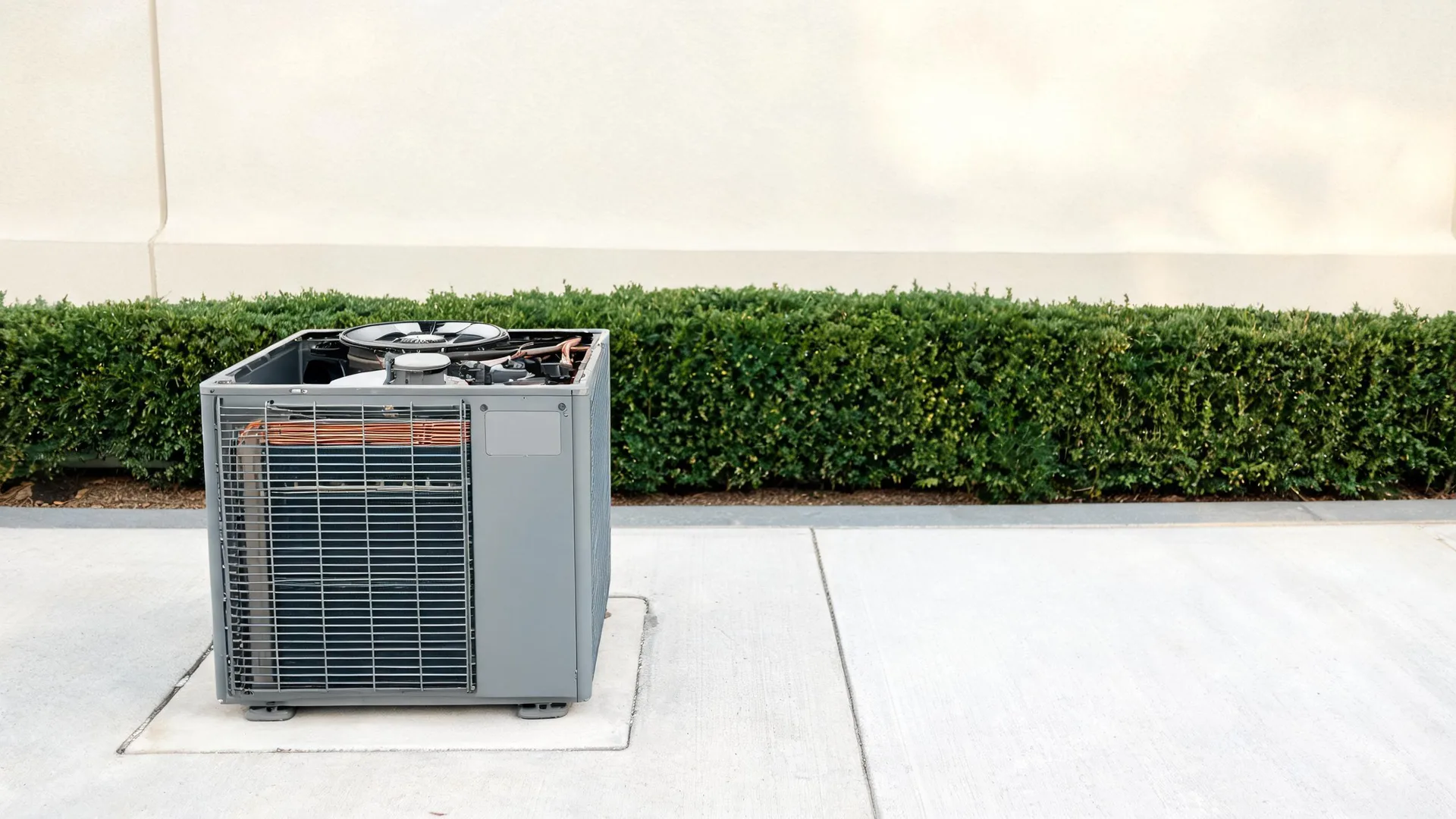
Strange Sounds Mean Something Specific

A heat pump that's running fine makes a steady, low hum and not much else. A rattle usually means something loose, like a panel or a fan blade hitting its housing. A squeal points to a motor bearing wearing out. A hard clunk when the system switches between heating and cooling often means the reversing valve. Pay attention to when a new sound started and what the system was doing, since that detail helps a contractor narrow down the part before they even open the cabinet.

If your outdoor unit has taken a hit from hail or flying debris, get it looked at even if it's still running. Hail can dent the fins on the coil and slow the airflow across it, and a bent fan blade can throw itself off balance and wear down the motor bearing early. Wind-blown debris works the same way, settling into the coil where you can't always see it from a quick glance. None of this stops the system from running today. It just means the system is working with damage it shouldn't have, on top of everything else it's already doing this time of year. A contractor can check the coil and fan while they're out for whatever repair brought you here.

A diagnostic visit starts outside, with the system running if it can still run at all. A contractor will check the pressures on both sides of the line, since that tells them whether the charge is correct or whether there's a leak somewhere in the loop. They'll test the capacitor under load, not just look at it, because a capacitor can read fine sitting still and still fail the moment it has to kick a motor over. The reversing valve gets checked by watching how the system responds when it's told to switch modes. Electrical connections get a look too, since a loose or corroded wire can mimic a failed part and send someone chasing the wrong problem. The goal is to find the one thing that's actually wrong, not to start swapping parts and see what helps.