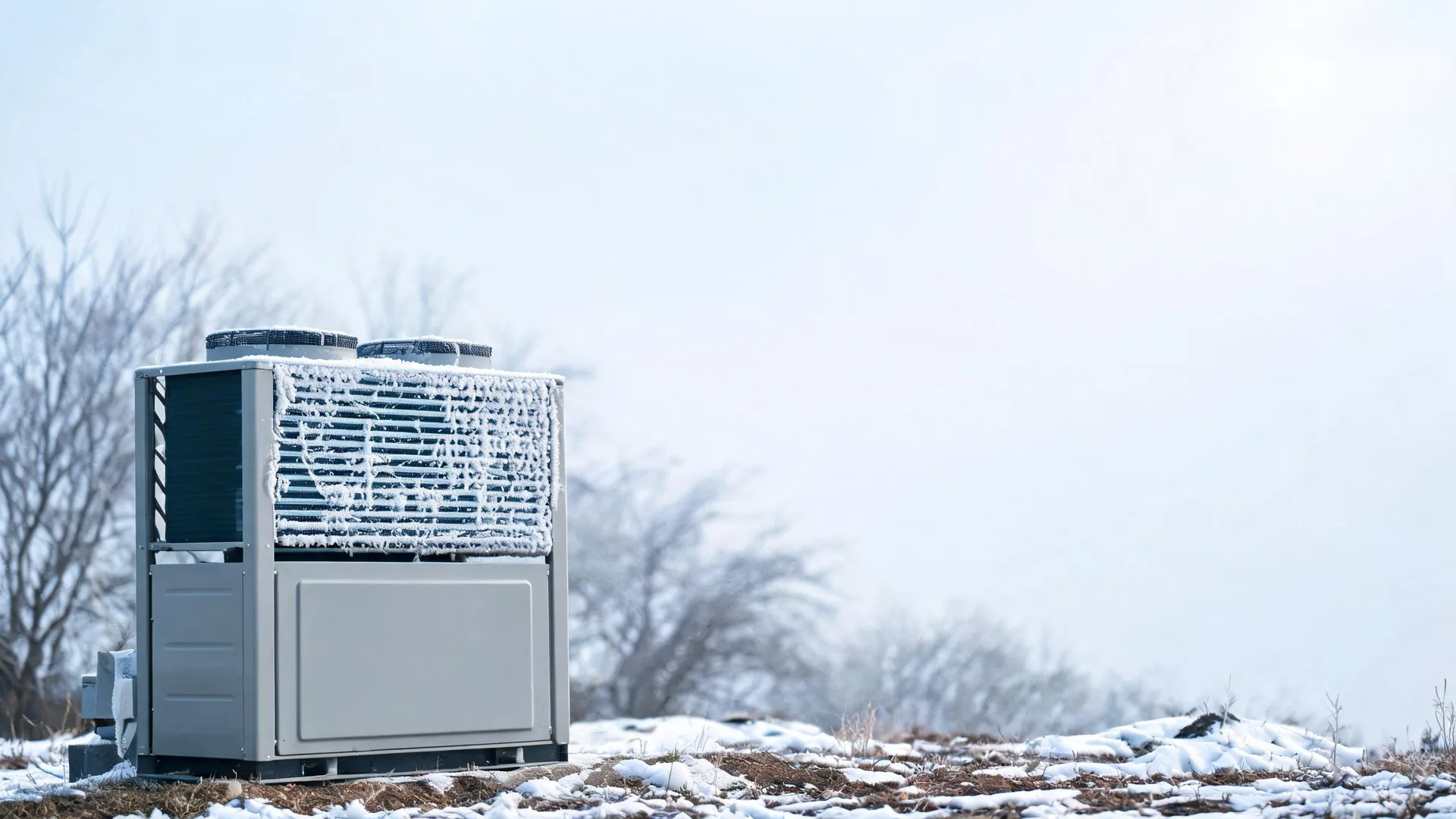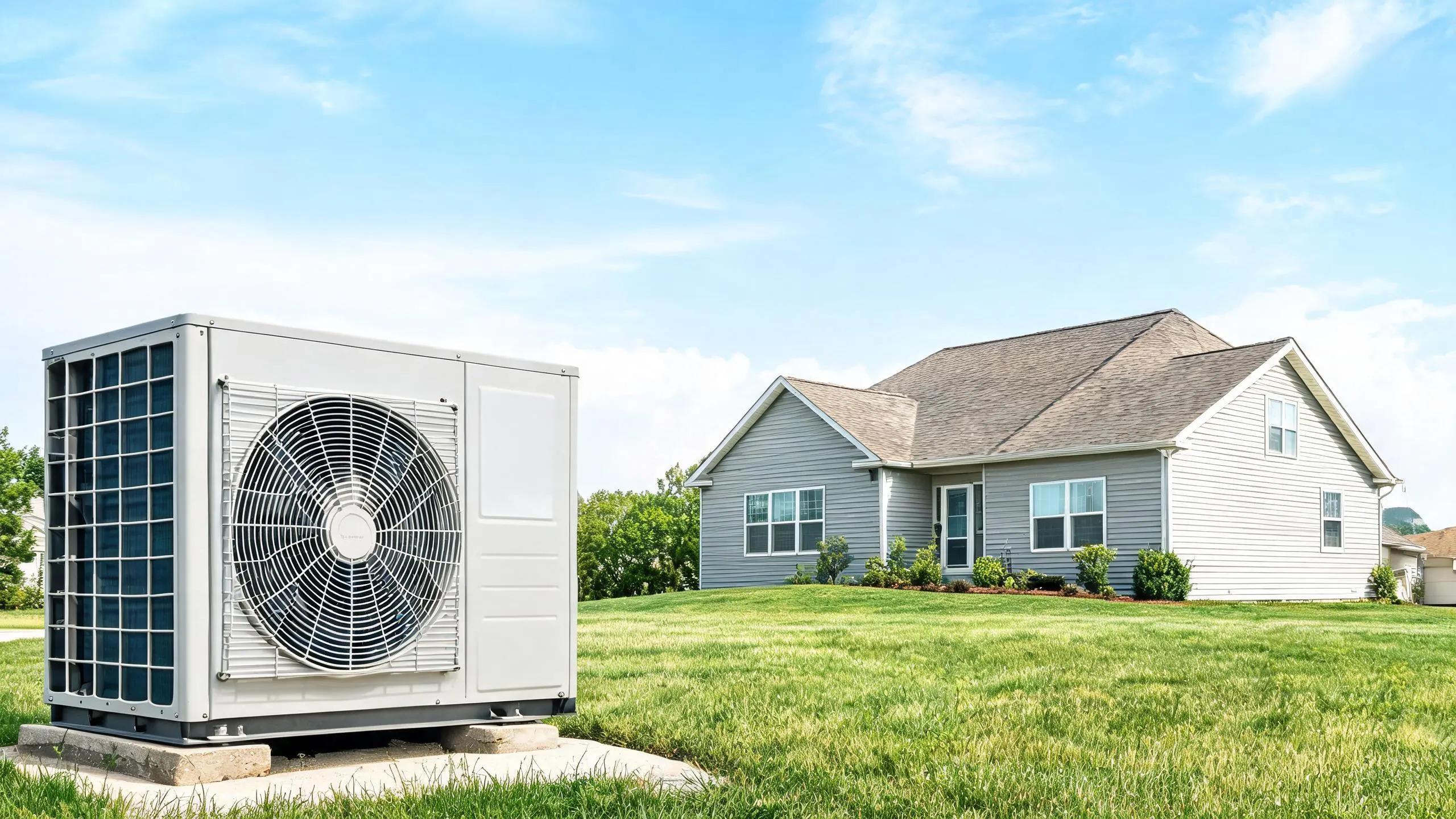
An outdoor HVAC condenser unit on a concrete pad in front of a single-story house with gray siding and a shingle roof.

Heat Pump Repair in Aurora, MO

Tell us about the job

Takes about a minute. No obligation.

RepairHeat PumpLawrence County, MO
Step 1 of 2

What ZIP code is the job in?

Check the simple things first

Look at the thermostat setting and the breaker before you assume the worst. Check that the outdoor unit isn't buried in leaves or iced over, and that nothing is blocking the indoor vents. Pull the filter and hold it to the light. If it's gray and solid, that alone can make a heat pump struggle to keep up.


Know what tells you to call now

If the outdoor unit is caked in ice with the system running, or you hear a new grinding or clicking sound, turn it off and get a contractor out rather than letting it keep running. Air blowing that feels room temperature instead of warm can be normal mid-cycle, but if it never changes, that's worth reporting when you call.

7 months
October through April, your system heats
4 months
June through September, it cools
26°F
the average winter night it heats against
87°F
the average summer afternoon it cools against
Isometric cutaway illustration of a house showing interior ductwork, an indoor air handler, and beds, with an outdoor condenser unit connected by lines outside the wall.
Your system heats October through April and cools June through September.

NOAA nClimDiv, 1991–2020 normals

A heat pump in Lawrence County works right through September and then has to switch to heat in October.

A weak part that made it through summer often gives out in the first cold weeks of October.

Half the homes in Lawrence County were built in 1979 or later, so a lot of heat pumps here haven't earned retirement yet

Half the homes here were built by 1979
86 damaging wind events from 2015 to 2024
45 hail events from 2015 to 2024

A heat pump that's struggling shows itself in how it runs, not just whether it runs. Listen for it cycling on and off more than it used to, short bursts that never settle into a steady run. Feel the air at the vent. Warm air that turns lukewarm partway through a cycle often points to the reversing valve, the part that switches the system between heating and cooling. Watch the outdoor unit during a defrost cycle. Some frost is normal, but if it builds up thick and doesn't clear, or the unit runs loud where it used to run quiet, something inside has changed. A system that keeps running but never quite gets the house to temperature is often working harder to make up for a problem, not working fine. None of these mean the unit is done. They mean it's telling you something before it quits outright, which is the better time to call someone.

Get it looked at early

Problems tend to show up in the first weeks of the season, when the load hits a part that was already weak.

Find a contractor
A residential heat pump outdoor unit mounted on a concrete pad next to a house with gray vinyl siding.

Worth fixing, not replacing

If your heat pump came with the house, check what year that was. A system installed within the last several years is usually a good candidate for repair rather than replacement, especially if the problem is one part acting up rather than the whole unit struggling. Tell the contractor the age when you call. It helps them know what they're walking into before they get there.

What actually wears out

The reversing valve, the defrost control board, the run capacitor and the contactor take the most abuse, because they're what switch and cycle every time the system changes mode. A capacitor weakens slowly, over many cycles, until the compressor can't start on a cold morning. A reversing valve can stick from built-up grit or just age, leaving the system stuck heating or stuck cooling.

Why it tends to fail now

A heat pump works harder in the first real cold snap than it has in months, and that's when a weak part finally gives out. A capacitor that was limping along in mild weather can't push the compressor through a hard start once the load goes up. Ice that doesn't clear during defrost points to a stuck reversing valve or a failed defrost sensor, not just bad weather.

A diagnostic visit starts with questions, not tools. The contractor wants to know what you noticed and when. Was it a sound, air that never warmed up, ice that wouldn't clear, or the system not coming on at all. That order matters because it narrows where to look first. From there it's refrigerant pressures, the capacitor and contactor tested under load, and a full defrost cycle watched start to finish if that's what you reported. Electrical connections get checked too. A loose wire can mimic a failing part and send someone chasing the wrong fix. By the end you should have a straight answer. What's wrong, what it takes to fix it, and whether it's worth doing.

A repair that replaces one part is a different decision than one chasing a system that won't hold up overall. A capacitor, a valve, a sensor, those fail on their own and swapping them brings the rest of the system back with them. The compressor is the part to watch for. It's expensive to replace and nothing short of replacing it fixes it, so a compressor that's grinding, tripping the breaker, or refusing to start changes the math. That's worth weighing alongside the age of the system, not instead of it. A unit that's otherwise sound and just dropped one weak part is usually worth fixing regardless. One that's failing in more than one place, on top of being older, is a harder case to keep patching.