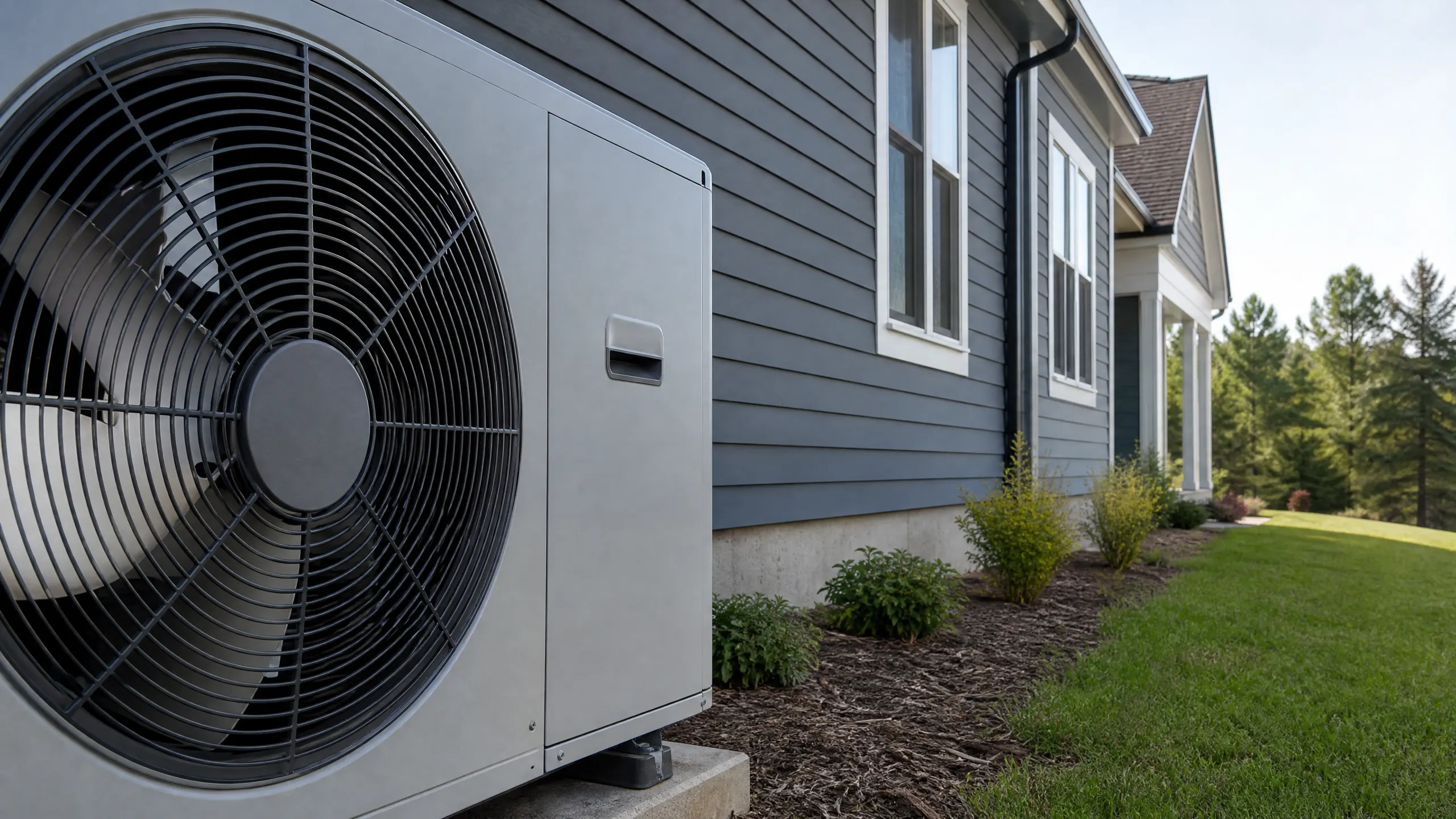





A heat pump outdoor unit mounted on a concrete pad next to the gray-sided exterior wall of a residential house.

Heat Pump Repair in Neosho, MO

Tell us about the job

Takes about a minute. No obligation.

RepairHeat PumpNewton County, MO
Step 1 of 2

What ZIP code is the job in?

Newton County sees more than its share of rough weather. Between 2015 and 2024 the county logged 219 severe weather events, including 105 cases of damaging wind and 99 hail events. Eight tornadoes touched down in that same stretch. Hail dents the fins on the outdoor unit and bends the cabinet, and wind-blown debris can damage the fan or the coil even when the system keeps running afterward. If a storm has come through and the outdoor unit took a hit, it's worth having someone look at it, whether or not you've noticed a problem yet.

7 months
October through April, your system heats
5 months
May through September, it cools
27°F
the average winter night it heats against
88°F
the average summer afternoon it cools against
Isometric cutaway illustration of a single-story house showing interior rooms with furniture, an attic duct network connected to a furnace or air handler, and an outdoor condenser unit linked by lines outside the wall.
Your system heats October through April and cools May through September.

NOAA nClimDiv, 1991–2020 normals

Wind has hit Newton County 105 times between 2015 and 2024, and hail 99 times.

Your outdoor unit sits through all of it, so a repair call often turns up more than one thing wrong.

Half the homes here were built in 1984 or later, so your heat pump probably has years left in it

Half the homes here were built by 1984
Climate zone 4A
Power here costs 14.28 cents per kilowatt-hour

Heat here switches over to the heat pump in October, and that first stretch is when a weak part tends to show itself. A unit that limped through September on mild days can struggle the first night it has to run for hours straight. Overnight lows average 27°F across December, January and February, and the system has to hold that for seven months, October through April. If something is already marginal, the early cold is usually what breaks it, not the deep of winter. Getting it checked before the weather turns is easier than getting it checked after.

If your outdoor unit has taken a hit, find out before it fails

If hail or wind has come through since the unit last ran, get it looked at now rather than waiting for it to act up. A dented cabinet or a bent fin doesn't always mean trouble right away, but it's a cheaper check now than a breakdown once the cold sets in.

Find a contractor
A gray heat pump outdoor unit mounted on a concrete pad next to a residential house with lap siding and stone accents.

A system that takes the weather head on

The outdoor unit sits outside through everything this county gets. Wind has hit Newton County 105 times between 2015 and 2024, and hail 99 times. A system already working hard has less give when a storm bends a fin or knocks debris into the fan. That's part of why a repair call often finds more than one thing wrong at once. Whatever shows up now has usually been building for a while, not something that happened overnight. Getting the actual cause found, rather than just getting the unit running again, is what makes the fix hold.

A struggling part gets worse under load

A heat pump with a failing capacitor, a weak contactor or a refrigerant leak can still start up and seem to run. But every cycle under that strain adds wear somewhere else. A compressor forced to start on a bad capacitor draws more amperage than it should, and that heat builds up in the windings each time. What starts as a part that's slow to kick in can end with a compressor that won't start at all.
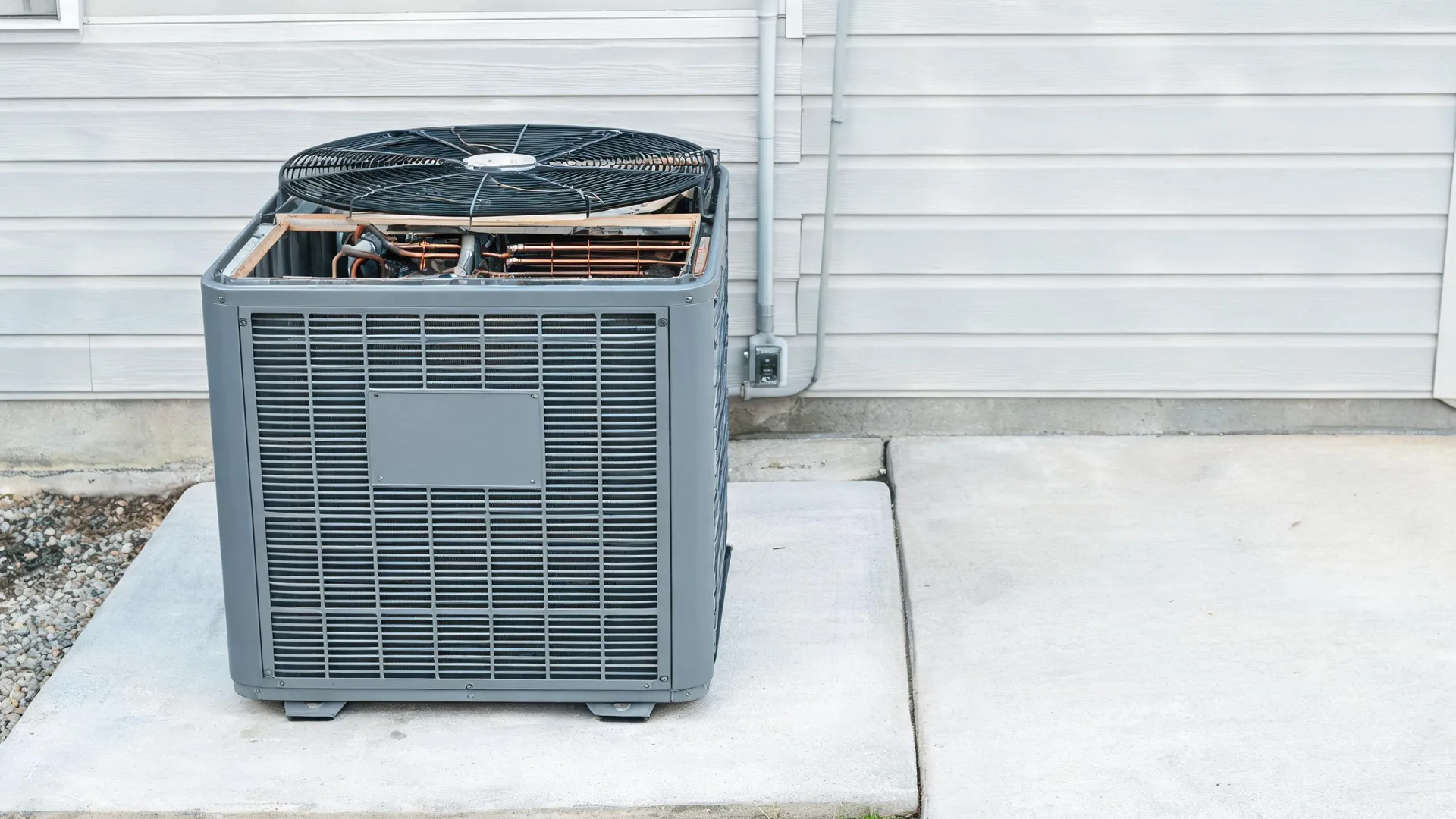
Running it anyway can turn a repair into a replacement

The compressor is the most expensive part in the system, and it's usually the one that pays for the mistakes made elsewhere. Low refrigerant, a dirty coil or a failing fan motor all make the compressor work harder to do the same job. Left alone, that extra strain is what kills it. Shutting the system down and calling for a diagnosis when something first seems off protects the one part that's not worth losing.

Before calling anyone, look at the outdoor unit itself. Check that nothing is blocking it, no leaves packed against the coil, no debris sitting in the fan, enough clearance on all sides for air to move through. Look at the fins for anything bent flat against the cabinet. Inside, check the thermostat is set to heat and the batteries aren't dead, then check the breaker for the system and the air handler haven't tripped. Look at the air filter. A filter packed with dust chokes airflow and can shut the whole system down as a safety response. If the outdoor unit is caked in ice beyond the thin frost that's normal in defrost cycles, or if it's making a grinding or screeching noise, stop running it and call someone rather than letting it keep cycling that way.

With half the homes here built in 1984 or later, a lot of these heat pumps are well inside their working life, and that changes the math on a repair call. A compressor or a coil doesn't wear out on a schedule. It wears out from strain, and a newer system that's been running right has had less time to take that kind of damage. If yours came with a newer house, a repair is more likely to actually hold. Mobile homes make up 13.4% of the housing here, and if that's your setup, the outdoor unit still deserves the same look after weather or before the cold sets in, regardless of the age of the house it sits beside. Either way, the fix is the same: get the actual problem found and corrected, not just patched enough to run again.