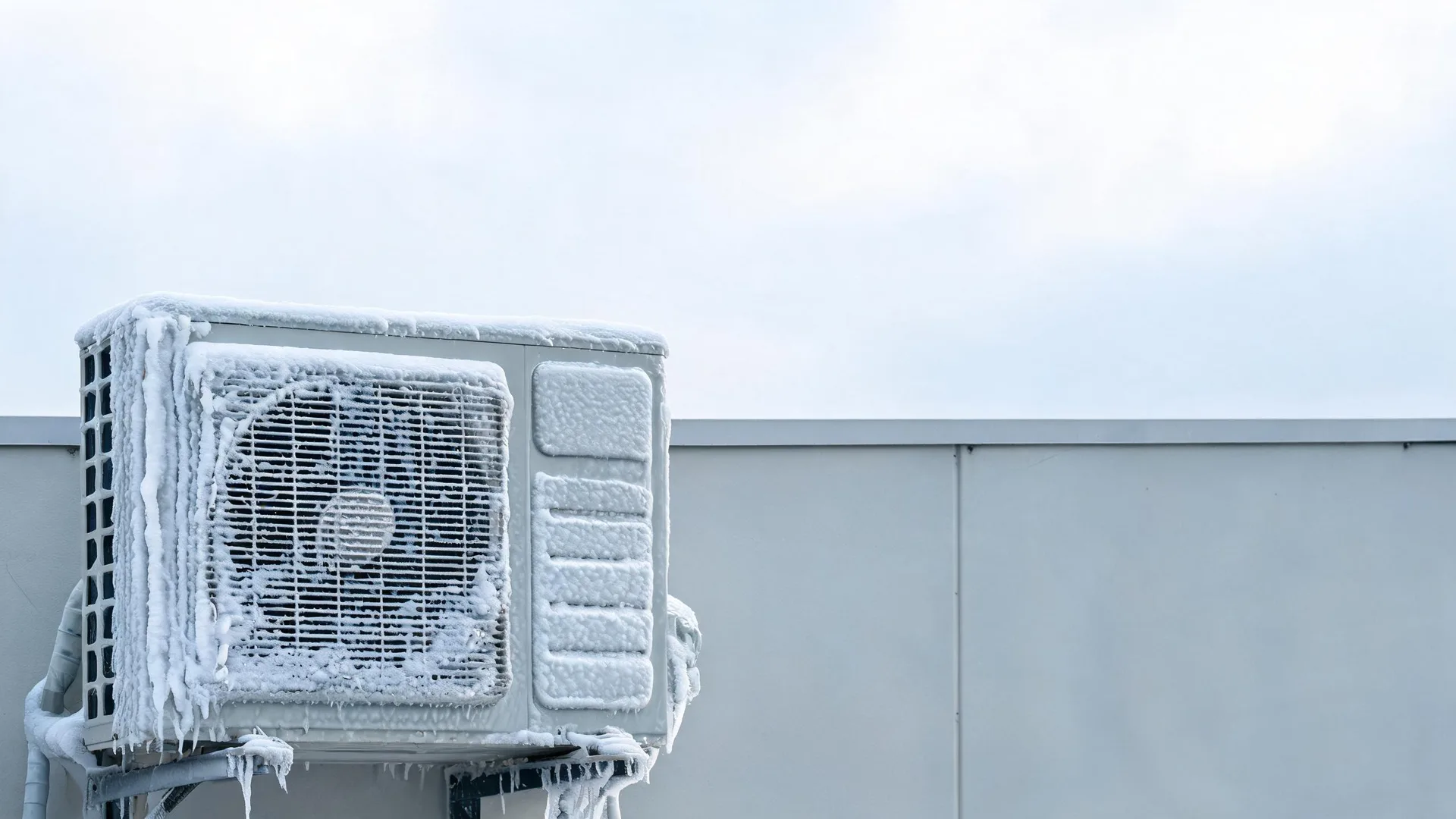
Zone 5A, heating-led
Marion County sits in zone 5A, a cool climate where heating carries the bigger share of the work. Winter nights here average 22°F, so your heat pump leans on the compressor and the defrost cycle more than the cooling side.
Takes about a minute. No obligation.
Marion County sits in zone 5A, a cool climate where heating carries the bigger share of the work. Winter nights here average 22°F, so your heat pump leans on the compressor and the defrost cycle more than the cooling side.
Nothing about Hannibal winters is hard enough on a heat pump to cause anything unusual. A system that's short on heat or short-cycling is most likely dealing with a refrigerant leak, a failing defrost control, or a reversing valve stuck in one position. Find which one it is and the repair is straightforward.
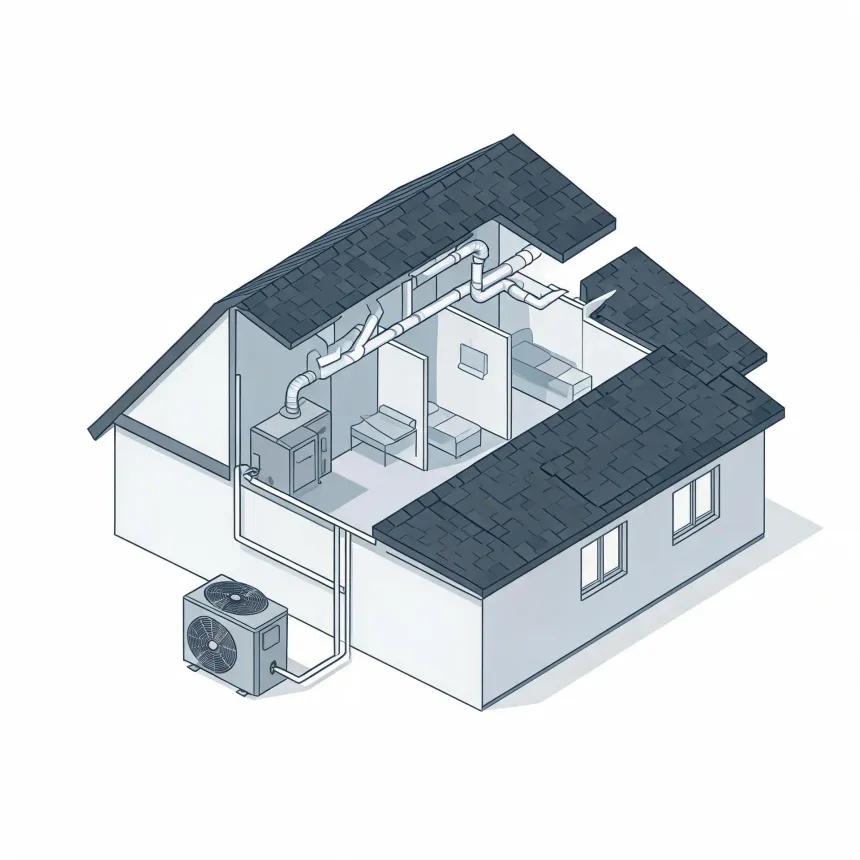
NOAA nClimDiv, 1991–2020 normals
Heat pumps in Marion County switch over to heating in October.
A unit that struggled last winter is worth checking in September, before it has to carry the load again.



Half the homes in Marion County were built in 1971 or earlier. A heat pump doesn't last that long, so what's running out there now is a replacement, not the original, but it may still be old enough to be near the end of its own life. If your system came with the house or you're not sure when it was put in, that's worth checking. An older heat pump has had more years of cycles on the compressor and the reversing valve, the same parts behind most of the problems that show up in winter here. Before paying for a big repair, ask how much life the system has left in it.
A tech can check the compressor and coil condition in the same visit as the repair. That way you know whether you're fixing a system with years ahead of it or putting money into one that's near the end.
Find a contractor
A heat pump that's running fine doesn't announce itself. One that needs attention usually does, if you know where to look. Short cycles, where it kicks on and shuts off again within a few minutes, point to a refrigerant problem or a control board that isn't reading the thermostat right. Ice building up on the outdoor coil and staying there past a defrost cycle means the defrost control or a sensor isn't doing its job. Air coming out of the vents that's barely warm, or warm one day and not the next, often traces back to the reversing valve getting stuck between heating and cooling. Listen for it too. A new rattle, a hum that wasn't there before, or a compressor that sounds like it's straining all say something's wearing out before it fails outright. None of these mean the whole system is done. They mean something specific needs a look, and the sooner it gets one, the less chance it has to drag another part down with it.
A heat pump low on refrigerant makes the compressor work to move what little it has. Run it that way for weeks and the compressor runs hotter than it's built for, and compressors don't recover from that kind of wear. What started as a leak you could patch turns into a compressor you have to replace.
A little frost on the outdoor coil during a defrost cycle is normal. Ice that stays is not. Left running, it builds past the coil and blocks airflow the whole unit depends on, and the system pulls harder to compensate. Shut it down and get the defrost control looked at before the coil takes the damage instead.
Before you call anyone, check the thermostat first. A dead backup battery or a thermostat stuck in the wrong mode looks exactly like a dead heat pump. Walk out to the outdoor unit next. Clear away any leaves, dirt or snow stacked against the sides, since a blocked unit can't move air no matter what's wrong inside it. Check the air filter too. A filter packed with dust chokes airflow and can bring on the same symptoms as a refrigerant problem. Last, check the breaker panel. A tripped breaker is worth ruling out before you pay someone to find it for you.
A repair fixes the thing that broke. It doesn't reset the clock on everything else that's been running the same number of hours. The real question is whether this is the one part giving out early, or the first of several things about to go. A compressor replacement on an old system is a harder call than swapping a capacitor or a sensor, because the compressor is most of what the system is worth. Fix small things as they come up and a heat pump earns out its years. Chase a big failure with another big failure a season later and you've paid for a repair and a replacement both. A tech who tells you to walk away from a repair isn't guessing. They're reading the coil, the compressor, and what it would take to keep this one going.