Hail is the one real factor here
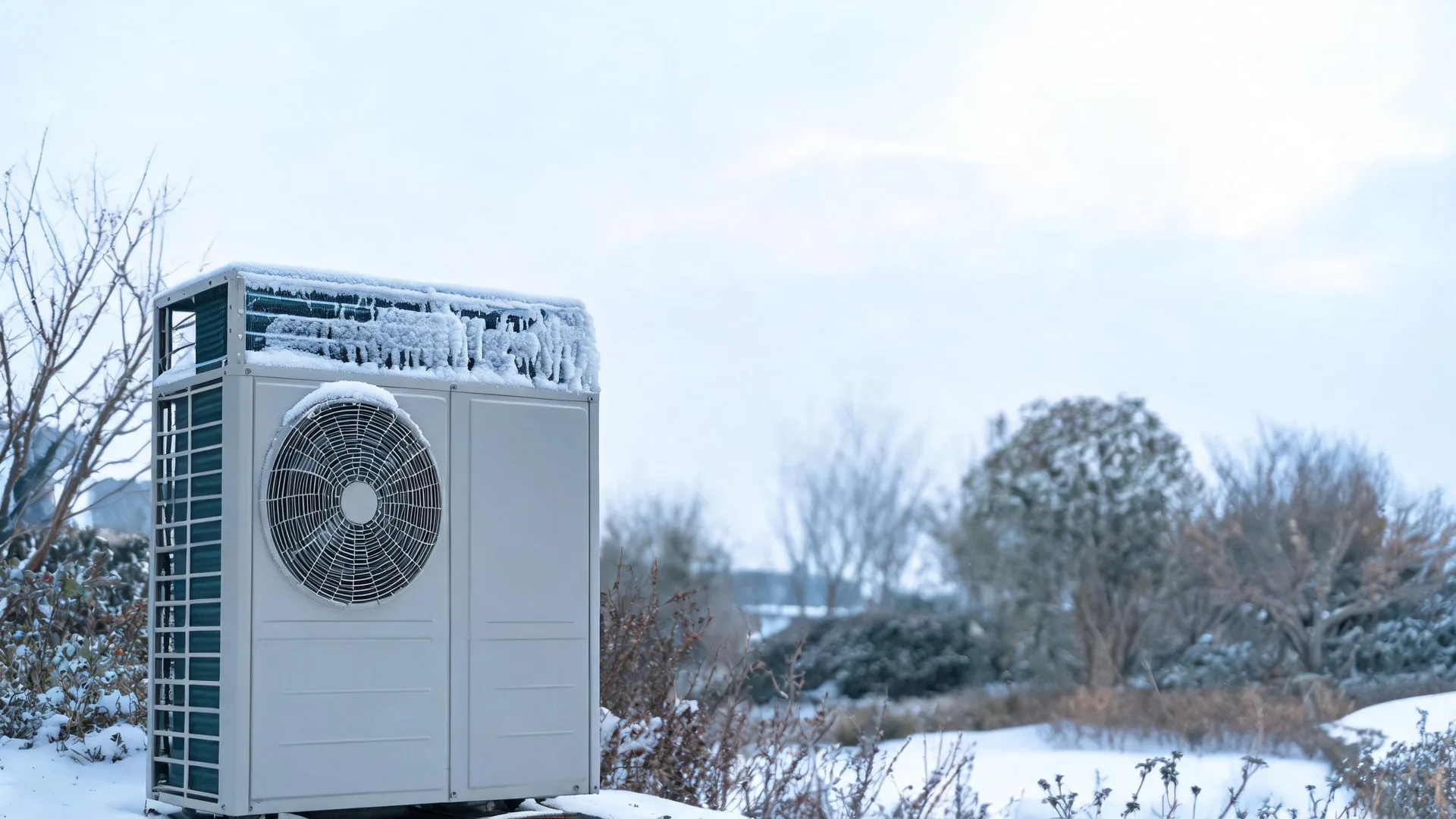
Pettis County saw 35 hail events between 2015 and 2024. That can dent the cabinet or bend the fins on the outdoor unit, which cuts down airflow over the coil.
Takes about a minute. No obligation.
Pettis County saw 35 hail events between 2015 and 2024. That can dent the cabinet or bend the fins on the outdoor unit, which cuts down airflow over the coil.
A heat pump in Sedalia breaks down for the same reasons it would anywhere. A contractor needs to check the actual cause before anyone talks about replacing it.
NOAA nClimDiv, 1991–2020 normals
September is when a Sedalia heat pump is still cooling the house, but October is when it has to switch over and start making heat.
A weak part that made it through summer often gives out in the first cold snap of October, not later in the winter.



Half the homes in Pettis County were built in 1974 or earlier, and half in 1974 or later. That split doesn't point to one likely cause over another. An older house might still have its original ductwork, or it might have been fully redone since. A newer one isn't automatically sized right for the system that's in it. None of that shows up from the street, and none of it changes how a contractor finds what's wrong. They'll check the refrigerant charge, the defrost board, the contactor, the same places they'd check on a heat pump anywhere else. The age of the house next door tells you nothing about the unit outside it.
Get the actual cause checked before deciding anything about repair or replacement. A contractor can look at the refrigerant charge, the defrost board and the contactor and tell you which one is the problem here.
Find a contractor
The signs usually show up as comfort complaints before they show up as noise or smell. Warm air coming out of the vents when the system's set to heat is the most common one, and it almost always traces back to the reversing valve stuck in the wrong position or a low refrigerant charge. Short cycling is another, where the unit kicks on, runs a couple minutes, and shuts off again before the house actually changes temperature. That points to a failing capacitor or a control board that's lost track of what the system is supposed to be doing. A unit that runs constantly without ever satisfying the thermostat is telling you the opposite problem, usually weak airflow or a charge that's too low to move enough heat either direction. Ice on the outdoor unit that doesn't clear on its own is worth paying attention to, since a working defrost cycle should handle that without anyone noticing. If the coil stays frosted over, the sensor or the board that runs the defrost cycle has likely stopped doing its job.
Check the outdoor unit for anything blocking it, leaves, branches, a cover someone left on. Clear a space around it so air can move through the coil. Look at the fins for anything pressed flat or bent over a wide area. Check the breaker for the outdoor unit too, since a tripped breaker stops the whole system cold, and that's a flip, not a repair.
Pull the filter and hold it up to a light. If you can't see light through it, it's choking airflow, and that alone causes a lot of what people call about. Check the thermostat is set to the mode you think it's in, heat or cool, and that dead batteries aren't the reason it's gone blank. Look at the vents in each room and make sure none got closed or blocked by furniture. None of this takes long, and it rules out what isn't actually a repair.
A heat pump that's struggling still tries to do its job, and that's the problem. If the airflow is weak or the charge is low, the system runs longer to reach the setpoint, sometimes never getting there at all. That longer runtime stresses the same parts that were already failing, the compressor especially. A compressor working against low charge runs hotter than it should, and heat is what wears a compressor out. Ice on the outdoor coil behaves the same way. A little bit melts off in a normal defrost cycle, but left alone it builds with every cycle that doesn't clear it, until the coil is blocked and the system is pulling warm air through ice. What would have been a sensor or a capacitor turns into a compressor by the time someone calls about it.
A repair is usually worth it if the compressor itself is still sound. Most of what fails first, the capacitor, the contactor, the defrost board, the reversing valve, can be replaced on their own without touching the compressor, and the system runs like new afterward. The harder call comes when the compressor is the thing that's failed, because that's the most expensive part in the system and the labor to swap it isn't cheap either. At that point a contractor is weighing the cost of that one repair against a new system that comes with a full warranty on everything, not just the part that just failed. Age matters here too, not because an old unit is doomed, but because a unit near the end of its expected life that needs a major part is a worse bet than the same repair on a younger system. None of that is a decision to make before someone's actually found the cause.