A row of illuminated two-story brick houses with front porches and mature trees photographed at twilight.

Heat Pump Repair in Poplar Bluff, MO

Tell us about the job

Takes about a minute. No obligation.

RepairHeat PumpButler County, MO
Step 1 of 2

What ZIP code is the job in?

Warm air in winter means something's wrong

A heat pump blowing air that feels cool but not cold is doing its job. Cold air with no warmth at all usually means the reversing valve is stuck in the wrong position, or the system has lost refrigerant charge. Either way it won't fix itself, and running it like that puts more strain on the compressor.

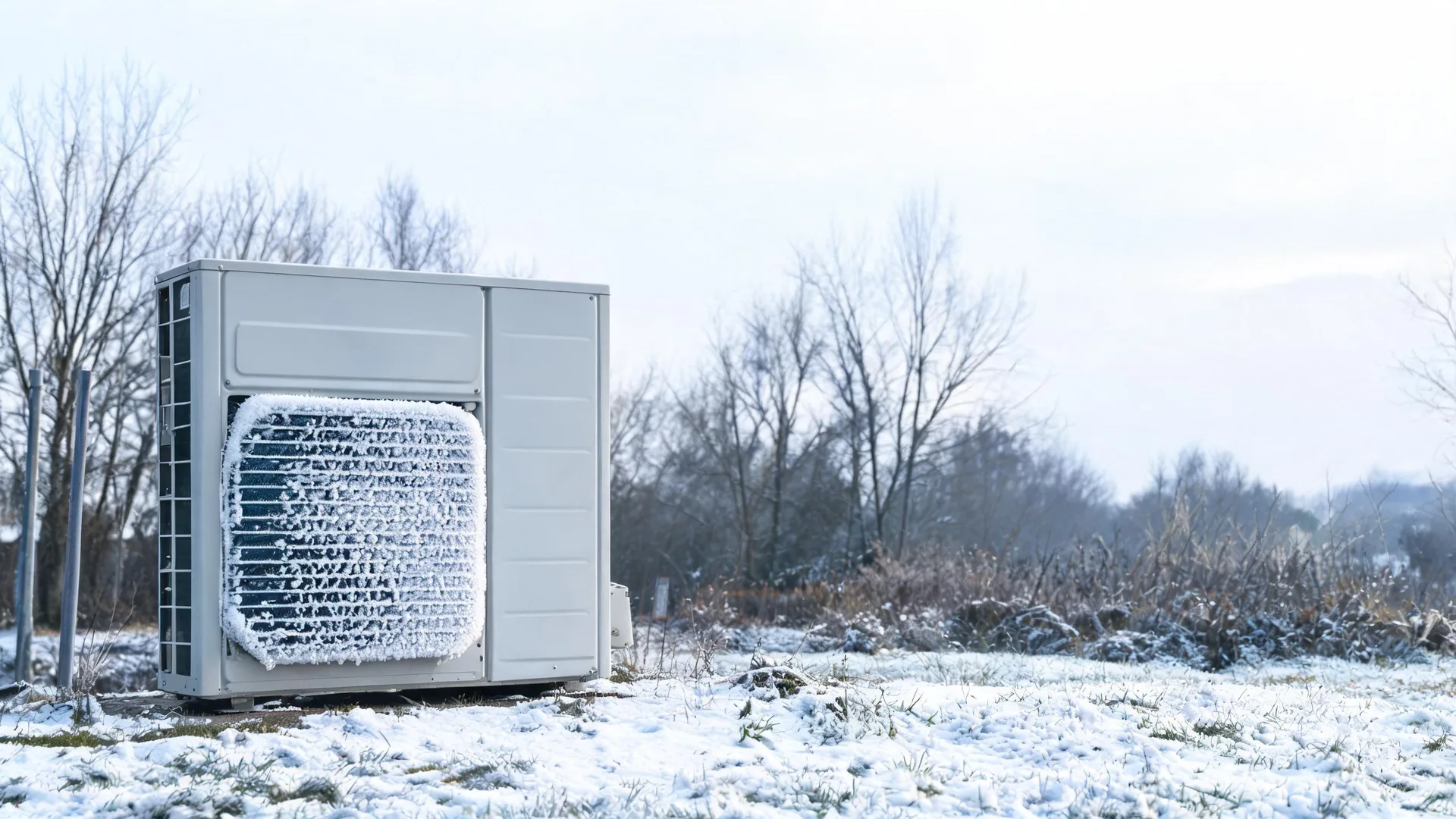
Ice on the outdoor unit is a signal, not a season

Some frost in defrost cycles is normal. A coil caked in ice that won't clear on its own points to a failed defrost control board, a stuck fan motor, or low refrigerant. Left alone, the ice keeps building and the system has to work harder to move any heat at all.

7 months
October through April, your system heats
5 months
May through September, it cools
29°F
the average winter night it heats against
89°F
the average summer afternoon it cools against
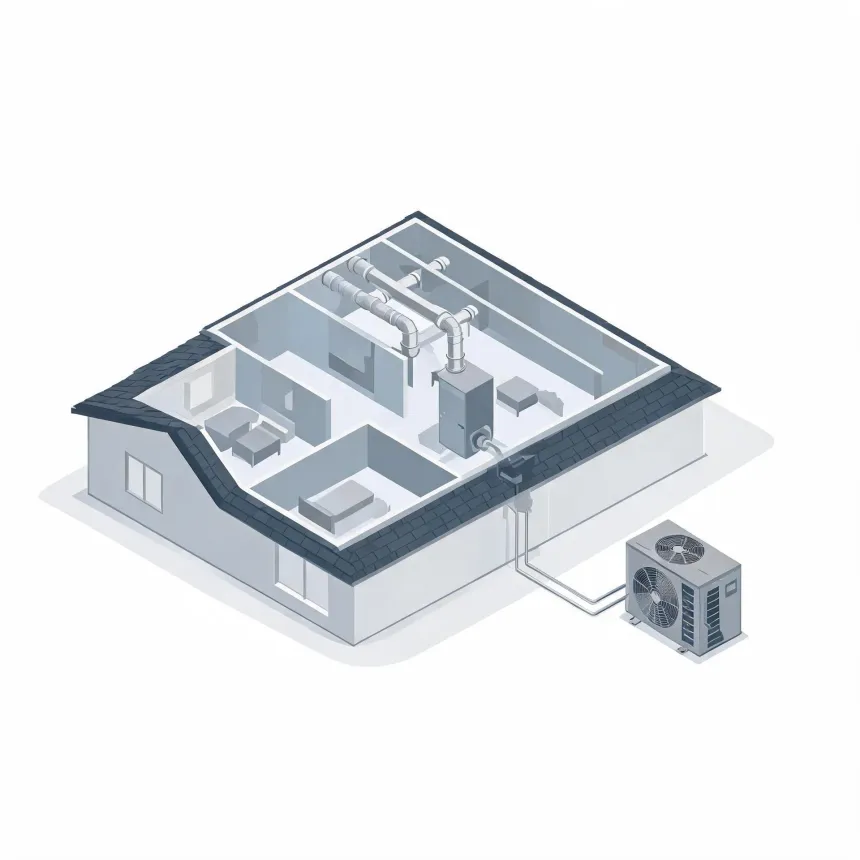
Isometric cutaway illustration of a single-story house showing interior rooms with ductwork, a furnace or air handler, and refrigerant lines running outside to a condenser unit on a pad.
Your system heats October through April and cools May through September.

NOAA nClimDiv, 1991–2020 normals

Half the houses in Butler County were built in 1981 or later.

A heat pump that came with a newer house still has working life in it, and that favors repair over replacement.

October is when heat pumps here earn their keep, and September is when it's worth finding out if yours is ready. A unit that struggled last winter doesn't fix itself over the summer sitting idle. The first cold snap puts a full load on the compressor and the reversing valve right away, and whatever was already weak tends to give out in that first week or two. Getting a technician out in September means the problem gets caught on your schedule, not during the first freeze when everyone else is calling too.

Repair it

If your system came with a newer house, it likely has plenty of life left. Repair is usually the right call.

Find a contractor
A man in a cap, gray long-sleeve shirt and brown work pants walks up porch steps toward a dark blue front door, carrying a canvas tool bag with tools in its side pockets, beside a potted shrub.
A gray heat pump outdoor unit mounted on a concrete pad next to the stone-accented exterior wall of a house.

The age question usually has an easy answer here

When a repair tech checks out a heat pump that came with one of these newer houses, age is rarely the reason to walk away from it. If it's been running since the house was built, it's likely only a few years in. Worth asking the tech what's actually worn versus what's just acting up.

The reversing valve wears from constant switching

Every time the system changes between heating and cooling it relies on the reversing valve to redirect refrigerant flow. That valve has a solenoid coil that can burn out, and the valve itself can stick from corrosion or debris, leaving the system stuck blowing cold air or unable to defrost.

The outdoor unit takes the abuse

The outdoor coil, fan motor, and compressor sit outside year round, exposed to moisture, dirt, and whatever blows through the yard. A failing capacitor can keep the fan motor or compressor from starting. A dirty coil blocks airflow and forces the compressor to work harder until it burns out early.

A compressor that's starting to fail still runs, just poorly, and that's the problem. Weak compression means it has to run longer to move the same amount of heat, and that extra runtime wears on the same worn parts causing the trouble. A refrigerant leak behaves the same way. The system keeps calling for more runtime to make up for the lost charge, and the compressor ends up working against a low charge for hours it wouldn't otherwise run. Ice on the coil follows the same pattern. Once it starts building, it blocks airflow, the system works harder to compensate, and the ice gets worse instead of better. None of these clear up by letting the system keep working. They clear up when something gets fixed.

A diagnostic starts with the tech asking what the system is actually doing, since blowing cold air, icing up, and short cycling point different directions. From there it's gauges on the refrigerant lines to check charge and pressures, and a meter on the electrical components, the capacitor, the contactor, the reversing valve solenoid. Airflow gets checked too, because weak airflow across either coil can mimic a refrigerant problem that isn't really there. The outdoor unit gets opened up to look at the coil and fan motor, since dirt and corrosion hide in there year round. A tech can usually narrow down the likely cause on the spot, though confirming it means watching the system run through a full cycle, heating or defrost, to see where it actually fails.