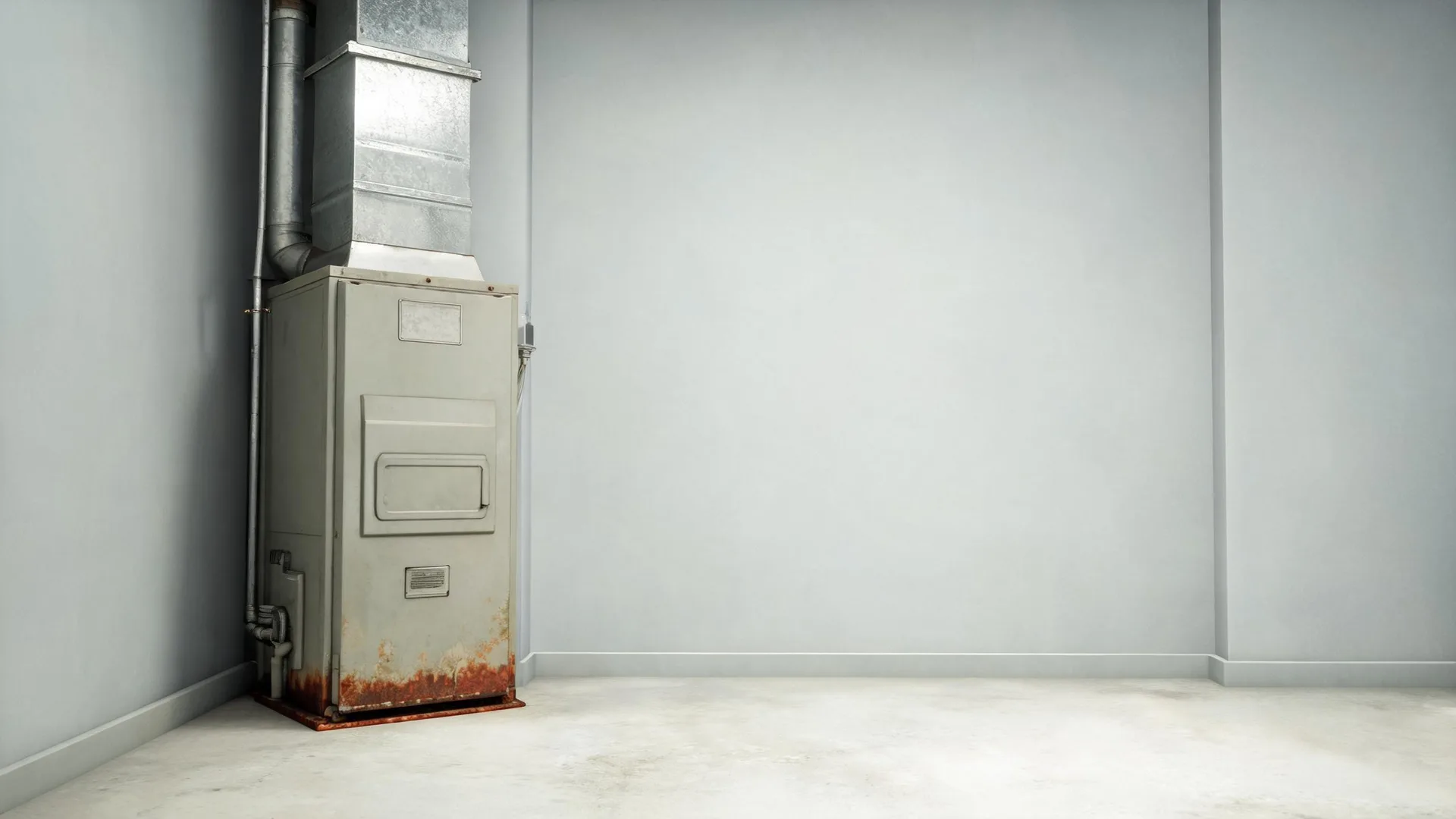
September is the month to catch it
Furnaces in Warren County sit idle most of the year and start up again in October. A weak igniter or a failing blower motor can sit there unnoticed all summer, then fail the first cold week it's asked to run.
Takes about a minute. No obligation.
Furnaces in Warren County sit idle most of the year and start up again in October. A weak igniter or a failing blower motor can sit there unnoticed all summer, then fail the first cold week it's asked to run.
Heat runs here from October through April, about seven months straight. When a furnace quits early in that stretch, the part behind it was usually already on its way out. Getting it looked at now means it gets fixed once instead of a few times this winter.
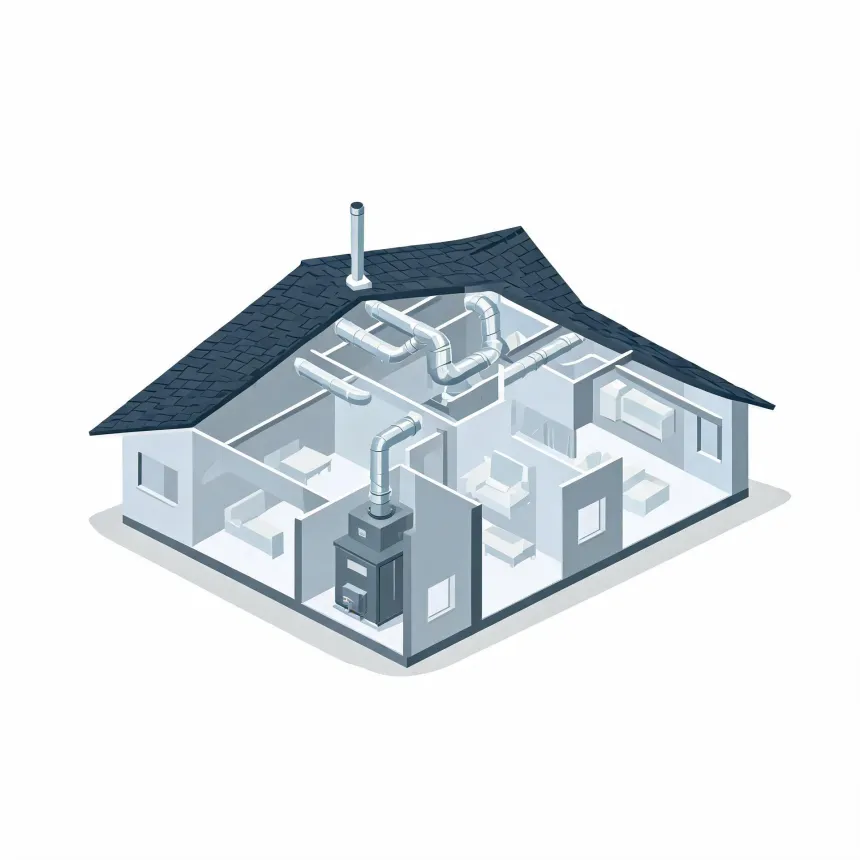
NOAA nClimDiv, 1991–2020 normals
Furnaces in Warren County run from October through April, about seven months straight.
When a furnace breaks here, it's almost always a known failure, not a mystery.




A furnace that short cycles or runs longer than it should is burning power the whole time it does it, not just on the coldest days. At $37.84 per million Btu, that adds up fast once it's running every day through the winter. Waiting until it fails completely usually costs more than having someone look at it now. If yours is running rough, loud, or longer than it used to, that's worth a call before the cold settles in for good.
If your furnace came with the house and the house is newer, repair is almost always worth it over replacement. Get the actual cause found and fixed.
Find a contractorA furnace gives warning before it quits. The burners light with a delay, or with a sound like a soft thump, and that's gas building up before it catches instead of catching right away. The blower runs longer than it used to to reach the same temperature. Air comes out lukewarm instead of hot. Some rooms heat and others don't, which usually means the blower or the ductwork behind it is losing the fight. A furnace that short cycles, turning on and off every few minutes instead of running a full stretch, is struggling to stay lit or struggling to shed the heat it's making. None of these mean the furnace is done. They mean a part is wearing out while the rest of the system keeps working around it, and the longer it runs that way, the more that part drags down everything connected to it.
Make sure it's set to heat, not just on, and that the set temperature is actually above room temperature. Check the batteries if it has a screen that looks dim or blank. This sounds obvious, but it's the most common reason a furnace seems dead when nothing is actually wrong with it.
Pull the filter and hold it up to a light. If you can't see light through it, it's choking the airflow and the furnace is working against itself. Also check the power switch on or near the unit, it looks like a regular light switch and gets bumped or turned off during other work nearby. Check the breaker too before deciding the furnace itself has failed.
A delayed ignition or a short cycle doesn't fix itself by running more. Each time the burners light late, the flame sensor and igniter take a little more heat stress than they're built for, and each cycle after that gets a little more likely to be the last one. A blower straining to push air through a clogged filter wears its motor and bearings faster than one moving free air. Weak heat also pushes the furnace to run longer stretches to reach the same room temperature, and that extra runtime lands on whatever part is already failing, not on a fresh one. A furnace making a bad sound or acting up on a mild day will do the same thing on a cold one, just with less room to recover.
A cracked heat exchanger or a failed control board is a different conversation than a blown capacitor or a dirty flame sensor. The first group usually means the furnace is done. The second group is a normal repair on a furnace that still has a lot of life in it. What matters is whether this is the first thing to go wrong or the third one this year. A furnace that's run fine for years and just hit one failed part is almost always worth fixing. One that keeps needing a different part replaced every few months is telling you the rest of the cabinet isn't far behind, no matter how old it is. A tech working inside the cabinet can tell you which part failed and whether it points to something bigger. Guessing from the thermostat tells you nothing.