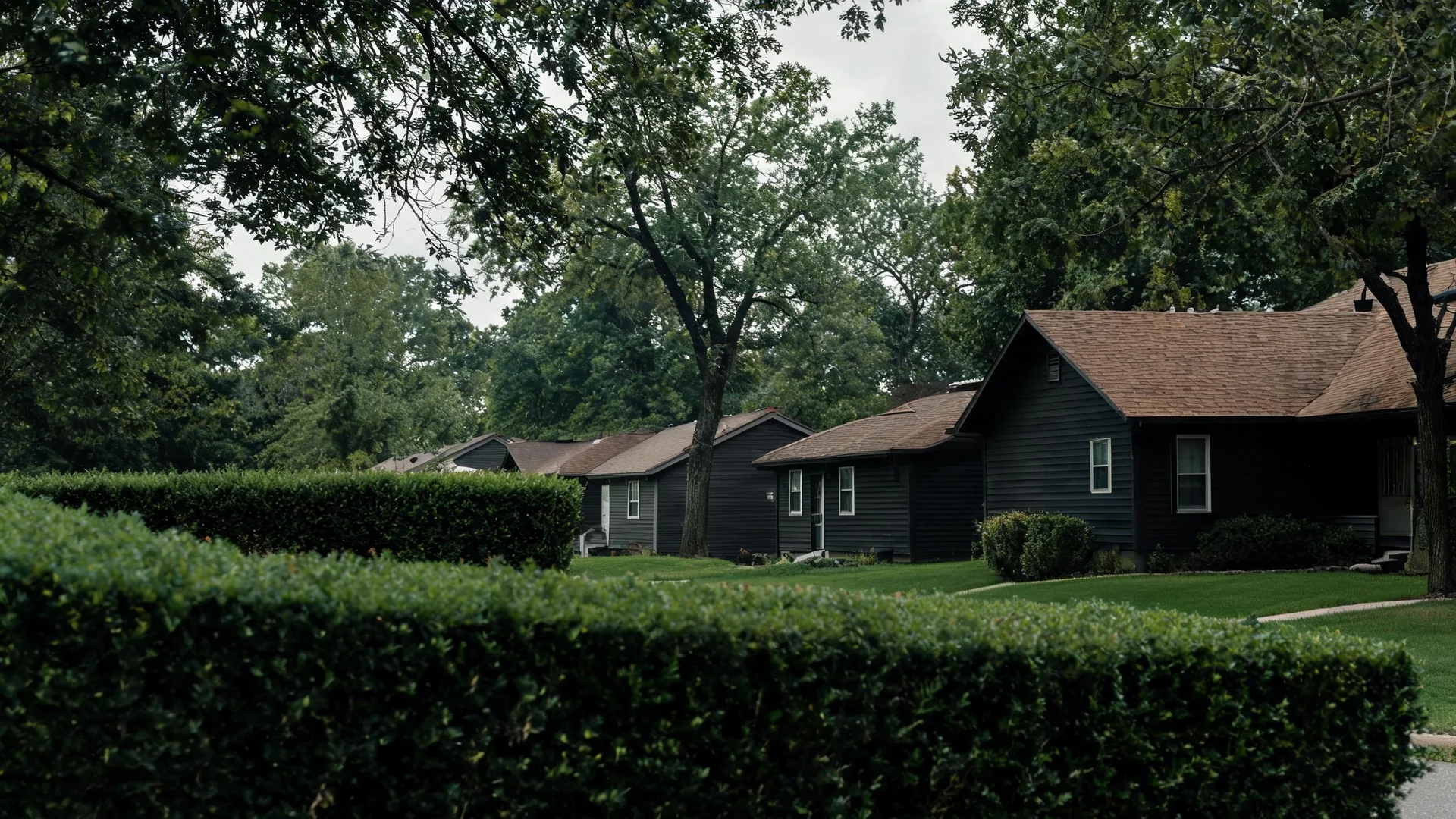





A row of dark-sided houses with brown shingled roofs behind trimmed hedges, lawn, and large deciduous trees under an overcast sky.

Furnace Repair in Farmington, MO

Tell us about the job

Takes about a minute. No obligation.

RepairFurnace or heatingSt. Francois County, MO
Step 1 of 2

What ZIP code is the job in?

Farmington runs its furnace about seven months a year, October through April, with overnight lows averaging 25°F in December and January. That's a normal stretch of cold for this part of Missouri. It doesn't put any extra strain on a furnace beyond what the furnace is built for. So when one starts short cycling, won't ignite, or blows cold air, the cause is usually something a tech sees all the time. A dirty flame sensor. A failed igniter. A clogged filter choking airflow. The job is finding which one it is, not guessing. A furnace in good shape handles a Farmington winter without trouble, so trouble usually means one part needs attention, not the whole system.

7 months
October through April, your furnace is on duty
25°F
the average winter night it heats against
7 winter storms
in ten years, the nights a failure hurts most
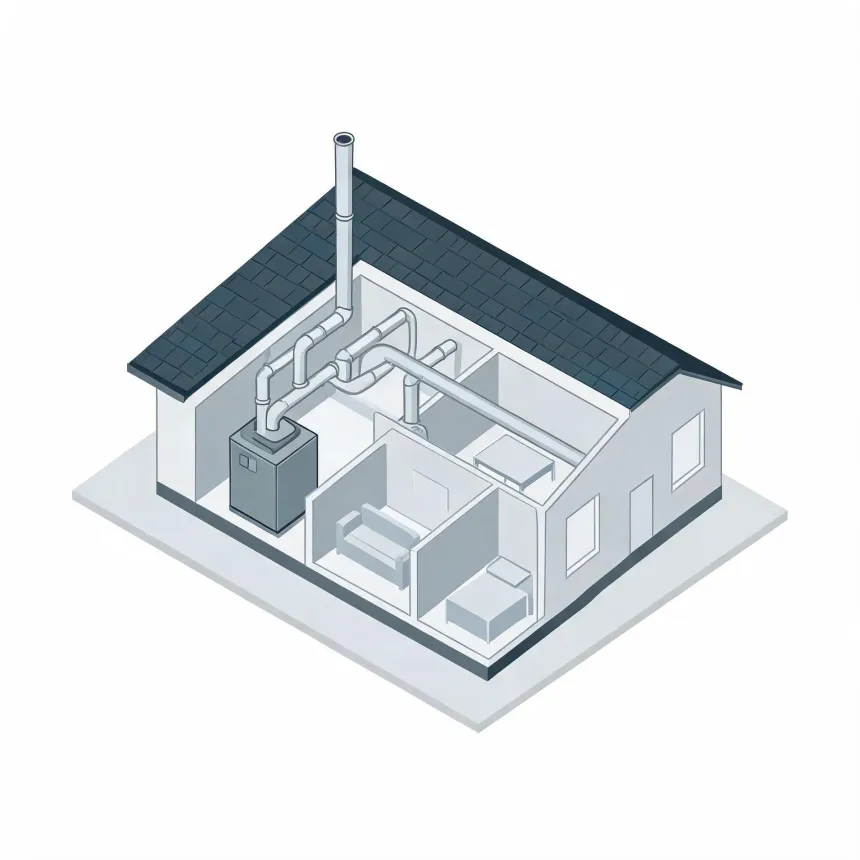
Isometric cutaway illustration of a single-story house showing a gray furnace connected to white ductwork and a flue pipe extending through the shingled roof, with simplified furniture in the interior rooms.
Your furnace works hardest from November through March.

NOAA nClimDiv, 1991–2020 normals

September is the quiet month before Farmington furnaces start up for the next seven, running October through April.

A weak igniter or a failing flame sensor usually shows itself in October, the first weeks the furnace is working hard, not later in the season.

Missouri power costs $37.84 per million Btu, and a furnace that short cycles or won't ignite right burns through it all winter

Heat runs October through April
Winter nights average 25°F
Climate zone 4A
A newer furnace is usually a fixable oneHalf the homes in St. Francois County were built in 1983 or later.

That $37.84 per million Btu is what you're paying for every cycle a struggling furnace runs, not just the ones that heat your house right. A furnace that short cycles is lighting, running briefly, and shutting off again and again, and each restart draws power without putting out much heat. One that won't ignite clean on the first try is wasting gas on failed attempts before it finally catches. Neither problem fixes itself, and both get more expensive to ignore the longer they run through a Missouri winter. If your furnace is doing either one, this is the month to get a tech out before the cold months pile on the runtime.

Find out what's wrong before you consider anything else

A furnace that came with a Farmington house built in the last several decades likely still has years in it. That's worth knowing before anything gets written off. Get the actual part diagnosed first.

Find a contractor
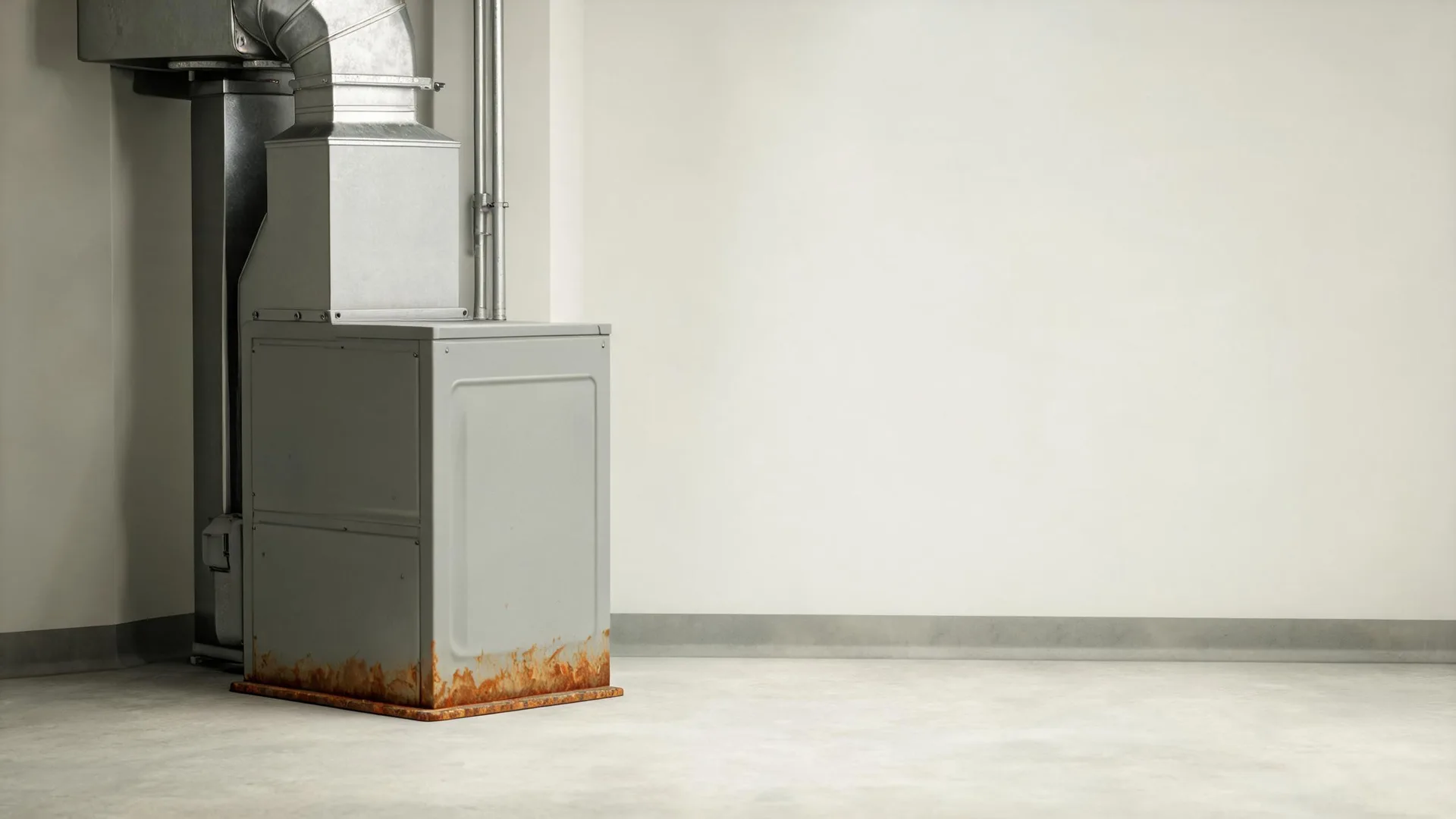
A gray gas furnace with attached ductwork and piping installed in an unfinished concrete basement.

Running it longer doesn't fix it, it just finishes the job

A furnace that short cycles doesn't rest between cycles, it just restarts the stress each time. The igniter takes a hit of full power every time it fires, and one already going weak burns out faster the more times a day it's asked to glow hot. A flame sensor coated in a little carbon still works, flickering the furnace through a few cycles before it gives up and starts shutting the burner down right after ignition, and that coating only builds up thicker with every hour the burner runs. A cracked heat exchanger is the one that can't wait. Heat and cooling make the metal expand and contract every single cycle, and a hairline crack opens wider each time until it's no longer hairline. None of these get better with runtime. The part keeps failing a little more each cycle, and the furnace keeps calling on it anyway, because that's the only way it knows how to make heat.

Most failures are the same few parts

A furnace has a short list of parts that actually wear out. The igniter, the flame sensor, the inducer motor, the blower motor, the gas valve. Almost every repair call traces back to one of these. The igniter glows hot every time the furnace fires, and that repeated heating and cooling is what eventually breaks it. The flame sensor sits right in the burner flame and collects a coating of carbon over time. That's why it's a routine failure, not a sign of anything unusual.
Airflow problems cause more damage than they show

A dirty filter doesn't just make the furnace work harder. It changes the temperature inside the cabinet. Restricted airflow lets heat build up where it shouldn't, and that can trip a limit switch or shorten the life of the heat exchanger. A lot of what looks like a failing part started as a filter nobody changed. Checking airflow is one of the first things worth ruling out before assuming a part has failed.

Most people notice a furnace problem before they can name it. The house feels a few degrees off even though the thermostat says it's running. Or the furnace kicks on, runs for a minute, and quits, then starts the whole cycle again a few minutes later. That's short cycling, and it feels like the furnace trying and failing. A burner that won't light on the first try, or the second, usually clicks a few times before it catches, and you can hear it from another room. Cold air coming out of the vents when the furnace is clearly running points at a different problem, often the burner not lighting at all while the blower keeps pushing air. A burning smell in the first minutes of a cycle is normal dust burning off. One that doesn't go away, or smells sharper than dust, isn't.

A diagnostic call starts before any panel comes off. A tech runs the furnace through a cycle and watches it do whatever it's been doing, the short cycling, the delayed ignition, the cold air, because watching it fail rules out some of the guesswork before any tools come out. Then the cover comes off and it's a check down the same short list every time. Flame sensor out, cleaned or tested, maybe swapped. Igniter checked for a hairline crack or a weak glow. Gas pressure tested at the valve. Blower and inducer motor checked for the draw they're supposed to pull. Filter and airflow looked at, since restricted air can mimic a bad part that's actually fine. The goal is finding the one thing actually causing what you're seeing, not replacing parts until something works.