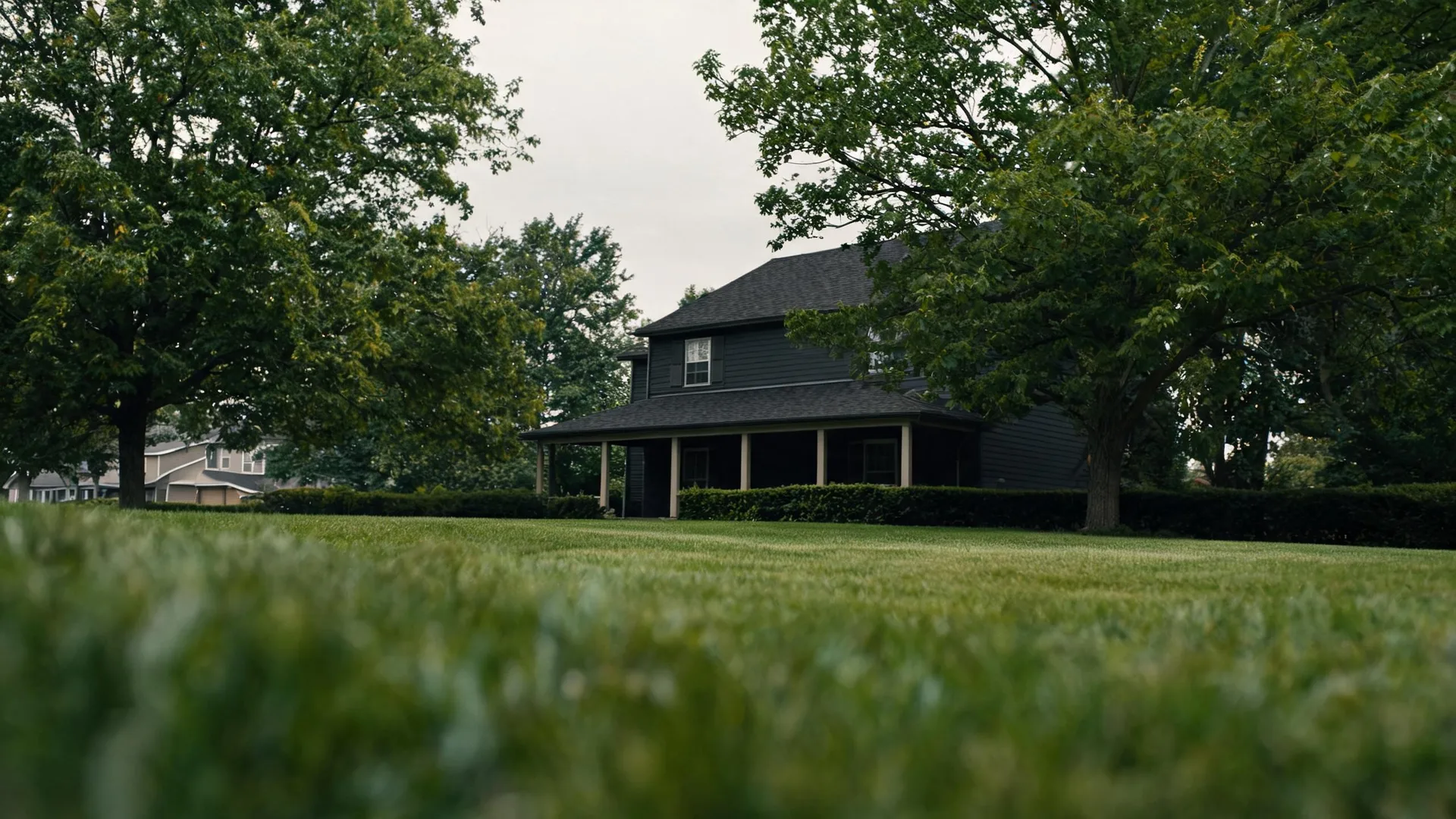





A dark two-story house with a covered porch stands behind a hedge and large deciduous trees, viewed from a low angle across a mowed lawn under an overcast sky.

Furnace Repair in West Plains, MO

Tell us about the job

Takes about a minute. No obligation.

RepairFurnace or heatingHowell County, MO
Step 1 of 2

What ZIP code is the job in?

Howell County sees its share of rough weather. Between 2015 and 2024 the county recorded 183 severe weather events, including 100 damaging wind events, 66 hail events, 5 tornadoes, and 10 winter storms with heavy snow or ice. A furnace itself sits indoors, but the outdoor parts of a heating and cooling system take the brunt of hail and wind. Statewide, almost one in five households went at least a day without power in 2024. When the power drops in a West Plains winter, an electric furnace stops along with everything else. That combination, frequent storms and real odds of a long outage, is why a furnace here is worth having looked at, even one that seems to be running fine.

7 months
October through April, your furnace is on duty
26°F
the average winter night it heats against
10 winter storms
in ten years, the nights a failure hurts most
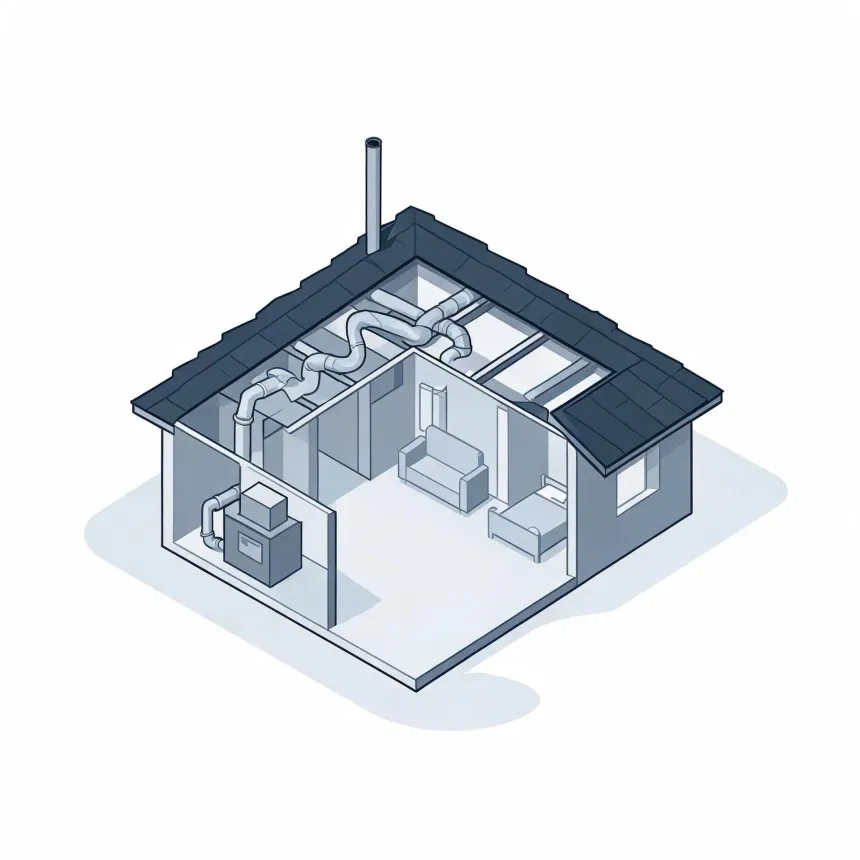
Isometric cutaway illustration of a small house showing a furnace unit connected to ductwork running through the interior and attic, with a chimney on the shingled roof and simple furniture in the rooms.
Your furnace works hardest from November through March.

NOAA nClimDiv, 1991–2020 normals

Most furnace failures start small, a cracked igniter, a stuck blower motor, a sensor reading wrong.

Caught early those are quick fixes. Ignored, they're what leaves a house with no heat on the coldest night of the year.

Half these homes were built in 1982 or later, newer than most of the county

Half the homes here were built by 1982
Heat runs October through April
Winter nights average 26°F
Get it checked before OctoberFurnaces here run October through April, about seven months straight, so September is the time to catch a weak part before it has to carry the season.

If your furnace came in with the house, and the house is one of the newer ones here, repair is the move. A furnace that age has plenty of working life left, so a cracked igniter or a bad sensor is just a part to fix, not a sign the whole unit is done. That holds even more here than most places, since an electric furnace that works is what gets a house through a cold night when the power is out. Check the installation date or the nameplate on the unit if you want to know for sure how old it is. Either way, a failed part on a furnace this age is worth repairing, not replacing.

If a storm came through, have it checked before it fails you

If hail or wind has come through recently, get the outdoor unit looked at even if the furnace is still putting out heat. Damage there doesn't always show up right away, and you don't want to find out on a night when the temperature's dropped and the power's gone with it.

Find a contractor
A man in a cap, long-sleeved shirt and work pants carries a canvas tool bag up porch steps toward a dark blue front door, beside a blue ceramic planter.
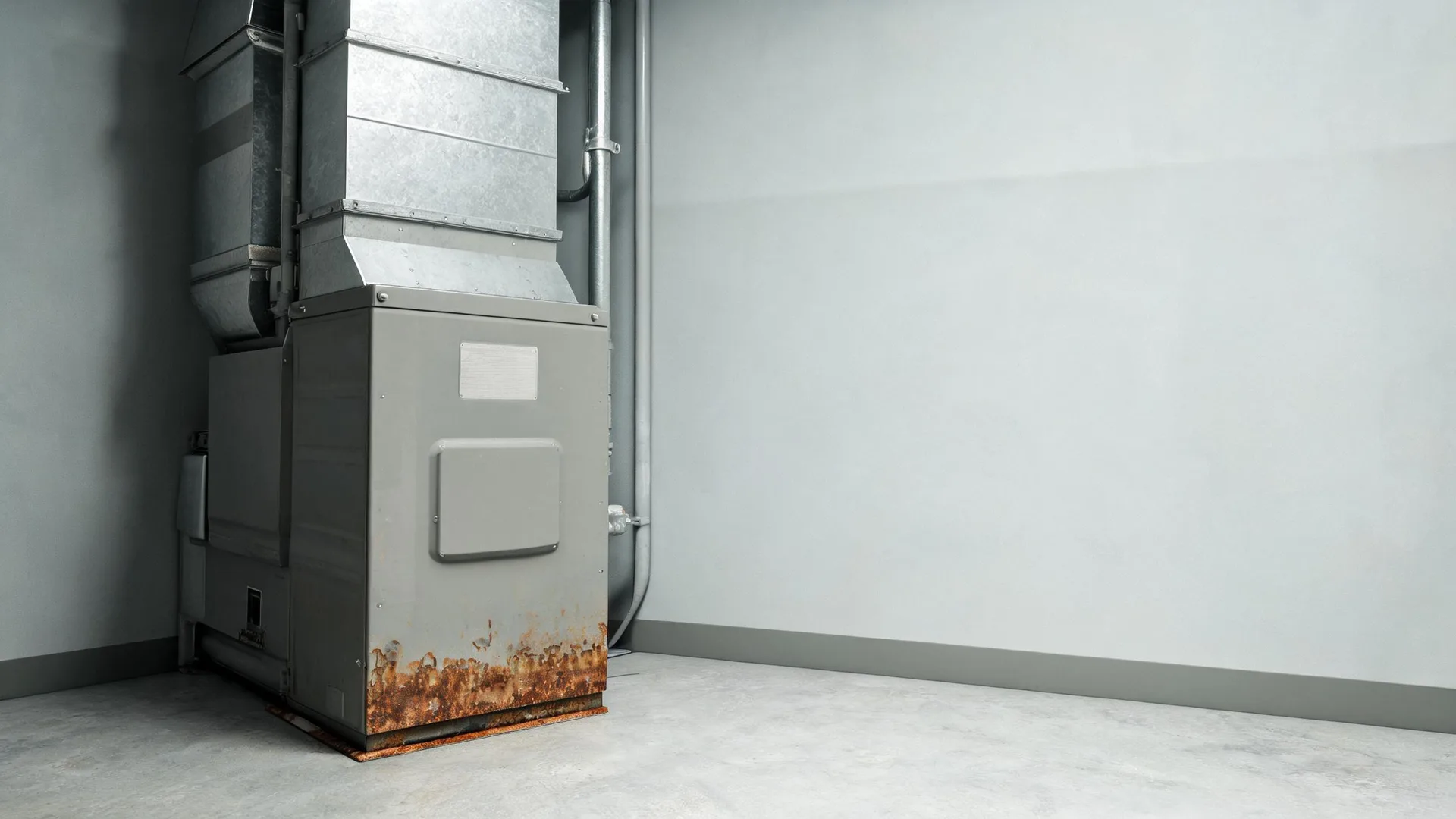
A gas furnace with attached ductwork, gas piping, and condensate lines installed in a concrete-block basement.

What a dying furnace sounds and feels like before it quits

A furnace rarely quits without warning. It tells you first. A burner that used to light right away starts taking two or three tries. The blower runs louder than it used to, or it kicks on and off more often than it should. The air coming out of the vents feels cooler than it used to, even though the furnace is running the whole time you're standing there. Some rooms heat fine and others don't, which usually points to the blower or the ductwork rather than the burner itself. A burning or metallic smell in the first minutes after startup is worth paying attention to, especially if it doesn't fade. So is a yellow or flickering flame where it used to burn steady. None of these mean the furnace is done. They mean a part is wearing out while the rest of the system still works, which is exactly the point where a repair is simple and cheap compared to waiting until that part takes something else down with it.

A cracked heat exchanger can leak into the air you breathe

A heat exchanger that's starting to crack still does its job most of the time. Run it long enough on a bad crack and it can let combustion gases mix into the air the blower pushes through the house. That's not a part you let ride.
A failing blower motor can take the heat exchanger with it

A blower that's weak or cutting out doesn't move enough air across the heat exchanger. Without that airflow the exchanger overheats, and a part that could have been fixed on its own turns into two failures instead of one.

Before calling anyone, check the thermostat first. Make sure it's set to heat and not fan only, and that the setting is actually above room temperature. Next, check the breaker box. A furnace that trips its breaker once might have done it by accident, but one that trips again after you reset it has a real problem and resetting it a second time won't help. Look at the air filter. A filter clogged with dust chokes off airflow, and a lot of the no-heat calls a tech runs turn out to be nothing more than that. If you can safely see the burner flame, check its color. It should burn blue and steady, not yellow or flickering. Last, listen for what's different. A clicking sound with no ignition, a blower that won't start, or a burner that lights then shuts off again are all worth describing to whoever comes out, since what you heard and when it happened tells a tech more than the furnace will by the time they get there.

Most of the time, repair is the right call. A furnace fails one part at a time, and swapping out an igniter, a flame sensor, or a draft inducer brings the whole system back to normal. None of those jobs shorten what's left of the furnace's life. The case for replacing instead usually comes down to the heat exchanger, since that's the part that isn't practical to swap on its own, and a furnace rarely needs more than one major repair in a season. If a tech keeps coming out for different problems year after year, that pattern matters more than any single breakdown. One repair is just a repair. A string of them is a furnace telling you it's done being reliable.