



An empty unfinished basement containing a forced-air furnace with overhead ductwork, exposed ceiling joists, and a single hanging light bulb.

Furnace Repair in Aurora, MO

Tell us about the job

Takes about a minute. No obligation.

RepairFurnace or heatingLawrence County, MO
Step 1 of 2

What ZIP code is the job in?

Lawrence County saw 148 severe weather events between 2015 and 2024. That includes 86 damaging wind events, 45 hail events, and 9 tornadoes. Hail dents and cracks the housing on an outdoor unit, and wind throws branches and debris into it. A furnace tied to that unit can still run after a hit like that, at least for a while, before the strain shows up as a bigger repair. Winter storms hit the county too, 8 of them in that same stretch, which is exactly when a furnace can least afford to fail.

7 months
October through April, your furnace is on duty
26°F
the average winter night it heats against
8 winter storms
in ten years, the nights a failure hurts most
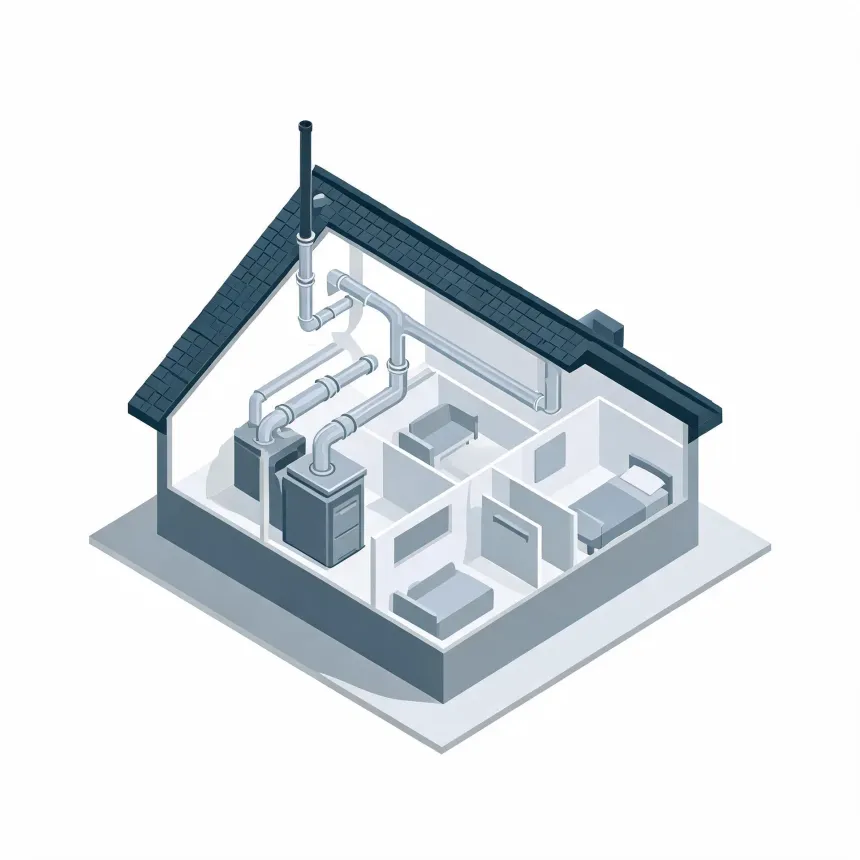
Isometric illustration of a cutaway house showing a furnace unit with ductwork and a flue pipe running through the interior rooms, which contain simple furniture.
Your furnace works hardest from November through March.

NOAA nClimDiv, 1991–2020 normals

Furnaces in Aurora start their work in October and keep at it through April.

A weak part usually waits for that first cold snap in October to fail.

Half these furnaces are younger than you'd think

Half the homes here were built by 1979
Heat runs October through April
Winter nights average 26°F

Most homes in Lawrence County heat with electricity, and electricity here runs $37.84 per million Btu. A furnace that's short-cycling or running longer than it should is burning through that every day it's not fixed. A cracked heat exchanger or a dirty flame sensor doesn't just risk a breakdown, it makes the furnace work harder to put out the same heat, and that shows up on the bill before it shows up as a no-heat call. The longer a faulty part runs, the more it costs to let it sit.

Had a storm come through? Get the furnace checked before it tells you itself.

If your outdoor unit took a hit from hail or wind, get the furnace looked at even if it still runs. Strain like that doesn't always show up as a no-heat call right away, and a cold snap is a hard time to find out.

Find a contractor
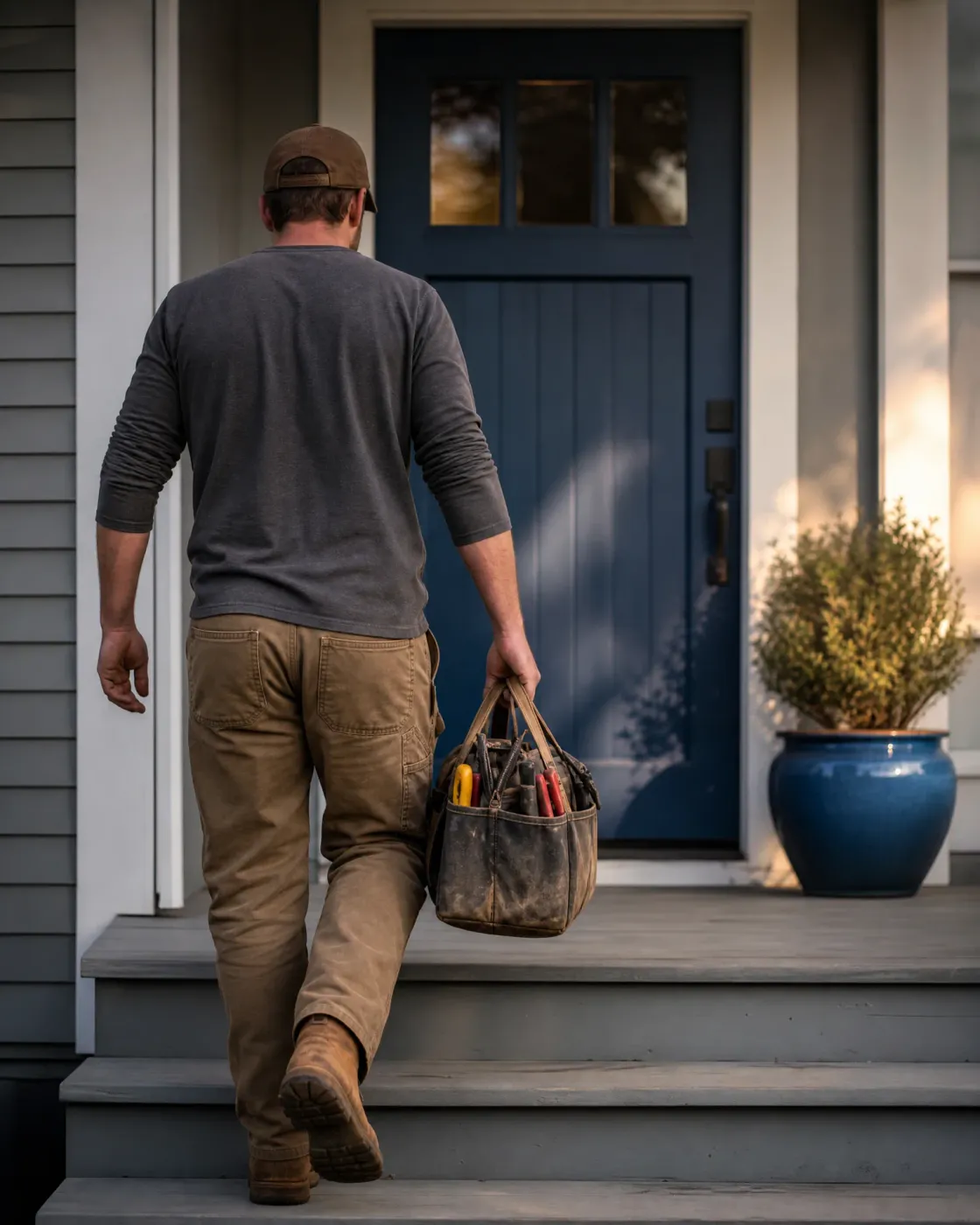
A man in a cap, gray long-sleeve shirt and tan work pants carries a canvas tool bag up gray porch steps toward a dark blue front door, with a blue ceramic planter and shrub beside it.
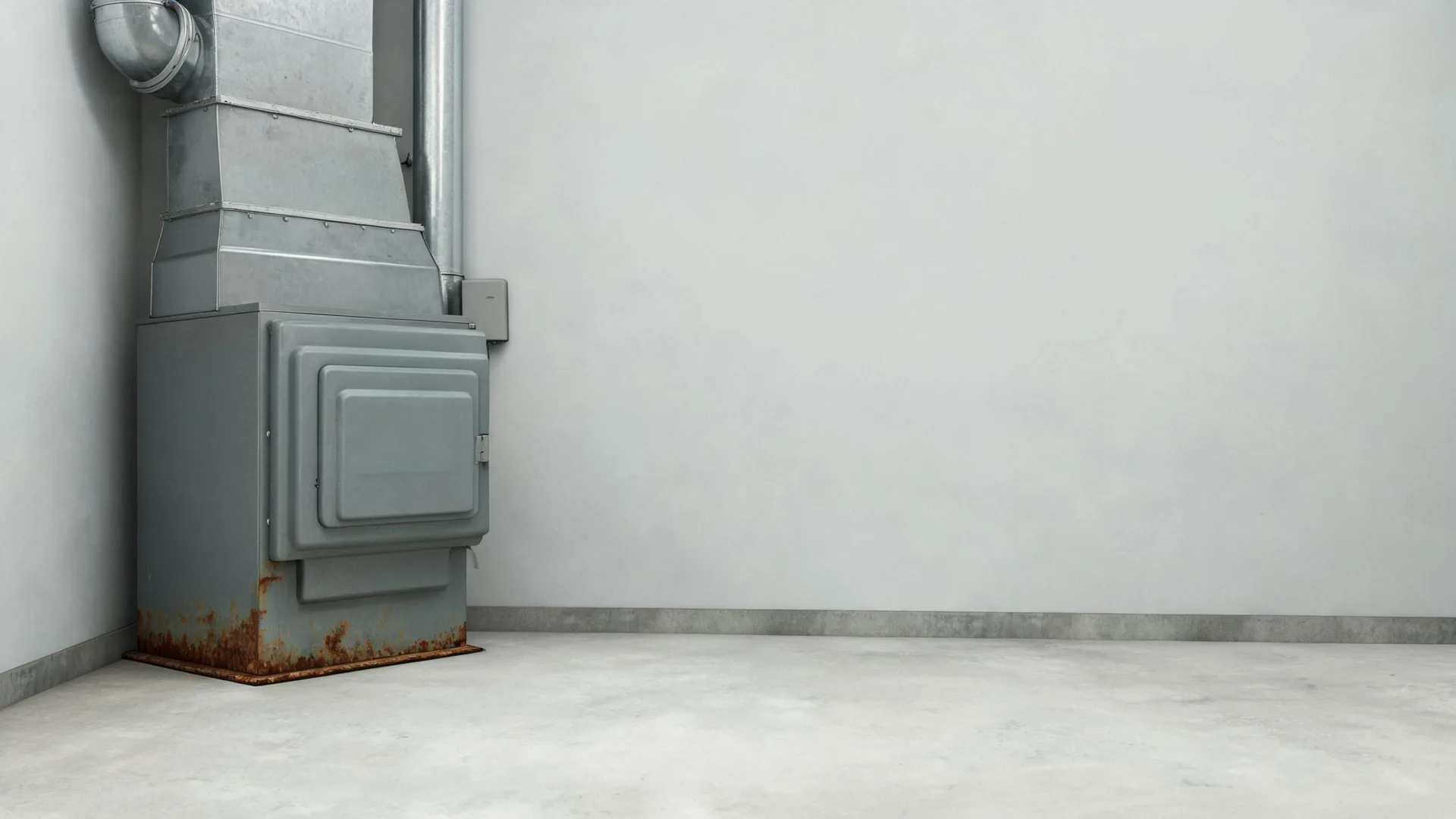
A gray residential gas furnace installed in an unfinished basement, connected to sheet-metal ductwork and PVC pipes.

A newer furnace is worth fixing

If your house went up in 1979 or later, the furnace that came with it likely still has years of working life in it. That's worth knowing before you decide how far to take a repair. A part that's failing now, a cracked heat exchanger or a bad igniter, is worth fixing on a system that young. Call someone out for the repair rather than jumping to replacement. There's no reason to pay for a new furnace when the one you have still has life left to give.

What you'll notice first

A furnace losing its fight usually tells you before it quits outright. The air coming out feels cooler than it used to. Some rooms heat fine while others stay cold. The burner clicks and tries a few times before it catches, or doesn't catch at all. The blower runs but the house never quite gets warm, or it short-cycles, kicking on and off every few minutes instead of running a full, steady stretch.
What it means for the job

A technician has to catch the cause before the furnace stops cold, not after. A flame sensor coated in residue, a cracked heat exchanger, a failing igniter or a blower motor on its way out all show up as the symptoms above, long before a no-heat call. Getting it looked at when you first notice the trouble gives a tech the chance to fix the part that's failing instead of racing to get heat back on a night it's already gone.

A cracked heat exchanger gets worse every hour the furnace keeps firing, because the metal keeps flexing against the same weak spot until it opens further. A failing igniter that's glowing weak or taking several tries to light is putting more strain on the gas valve and control board each time it cycles. A blower motor with worn bearings doesn't just get noisier, it pulls harder to keep spinning and that heat has nowhere to go but back into the motor windings. Even something as simple as a dirty flame sensor left alone will cause the burner to shut off and retry over and over, and that repeated cycling wears on the igniter and the valve right along with it. None of these fix themselves by running longer. A tech who gets to the part early is replacing one component, not several.

If the furnace is already running rough, this is the part of the bill that keeps moving while you wait. A furnace fighting a bad part draws power the whole time it runs, not just at startup, and a longer or more frequent cycle means more hours on the clock. That cost lands on an electric bill that's already higher here than in most places. Getting the part replaced stops that drain the same day. Waiting doesn't save you the repair, it just adds the running cost on top of it.