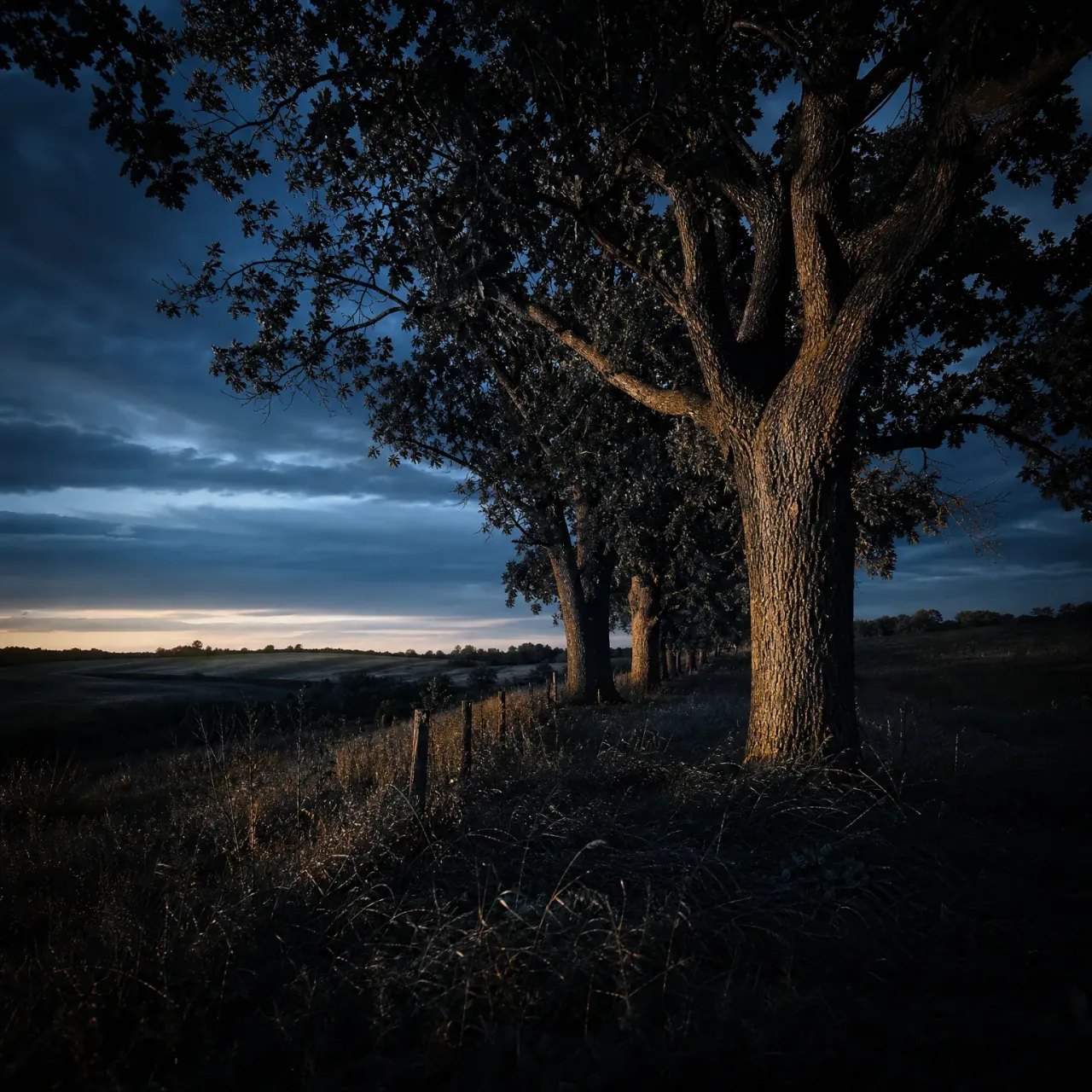
An unfinished basement containing a gas furnace with ductwork in the foreground and miscellaneous stored items along the far concrete wall.

Furnace Repair in Florissant, MO

Tell us about the job

Takes about a minute. No obligation.

RepairFurnace or heatingSt. Louis County, MO
Step 1 of 2

What ZIP code is the job in?

This county gets hit hard

St. Louis County logged 208 severe weather events between 2015 and 2024, 108 of them damaging wind and 77 hail. Eleven tornadoes touched down in that same stretch. A furnace sits inside the house, but what happens outside the house still reaches it.

Power doesn't always hold

Nearly one in five Missouri households went at least 24 hours without power in 2024. A gas furnace still needs electricity to run the blower and controls, so when the power goes, the heat goes with it until it's back.

7 months
October through April, your furnace is on duty
26°F
the average winter night it heats against
75%
of homes here heat with gas, so most furnaces here burn gas
9 winter storms
in ten years, the nights a failure hurts most
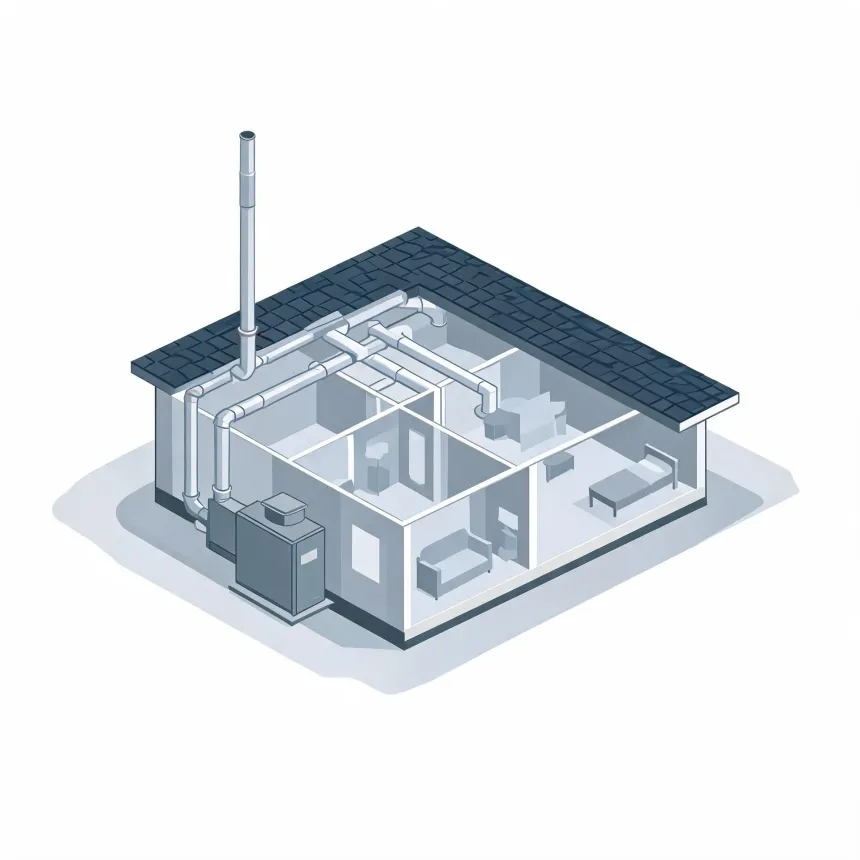
Isometric cutaway illustration of a single-story house with a dark shingled roof, showing interior rooms with furniture, a ducted air distribution system, a tall vertical flue pipe, and a gray furnace unit outside the wall.
Your furnace works hardest from November through March.

NOAA nClimDiv, 1991–2020 normals

A cracked heat exchanger can leak exhaust into the air a blower pushes through the house.

Shutting the furnace down at the first sign of trouble keeps a bad part from turning into a bigger repair.

Half the furnaces here are working in houses this old

Half the homes here were built by 1969
Heat runs October through April
Winter nights average 26°F
Furnace Repair Timed to a Seven-Month SeasonHeat runs here from October through April, and trouble usually shows up in that first cold stretch.

If your furnace came with the house and that house dates back a ways, it's worth asking how much life the unit has left before you put money into a big repair. A cracked heat exchanger or a failing blower motor can sometimes be fixed on its own, but on an older furnace the next failure may be the one that costs more than the furnace is worth. Ask the contractor straight out, as part of the repair call, what shape the rest of the unit is in. That answer should guide whether you fix what's broken now or start pricing a replacement.

If the last storm reached your furnace, get it checked now

Hail and wind don't stop at the outdoor unit. If a storm has come through since your furnace last ran right, or if the power went out this year, have it looked at before the next cold stretch finds the problem for you.

Find a contractor
A man in a dark long-sleeved shirt and tan work pants, seen from behind, carries a canvas tool bag up porch steps toward a blue paneled front door of a house with light lap siding and a potted flowering plant.
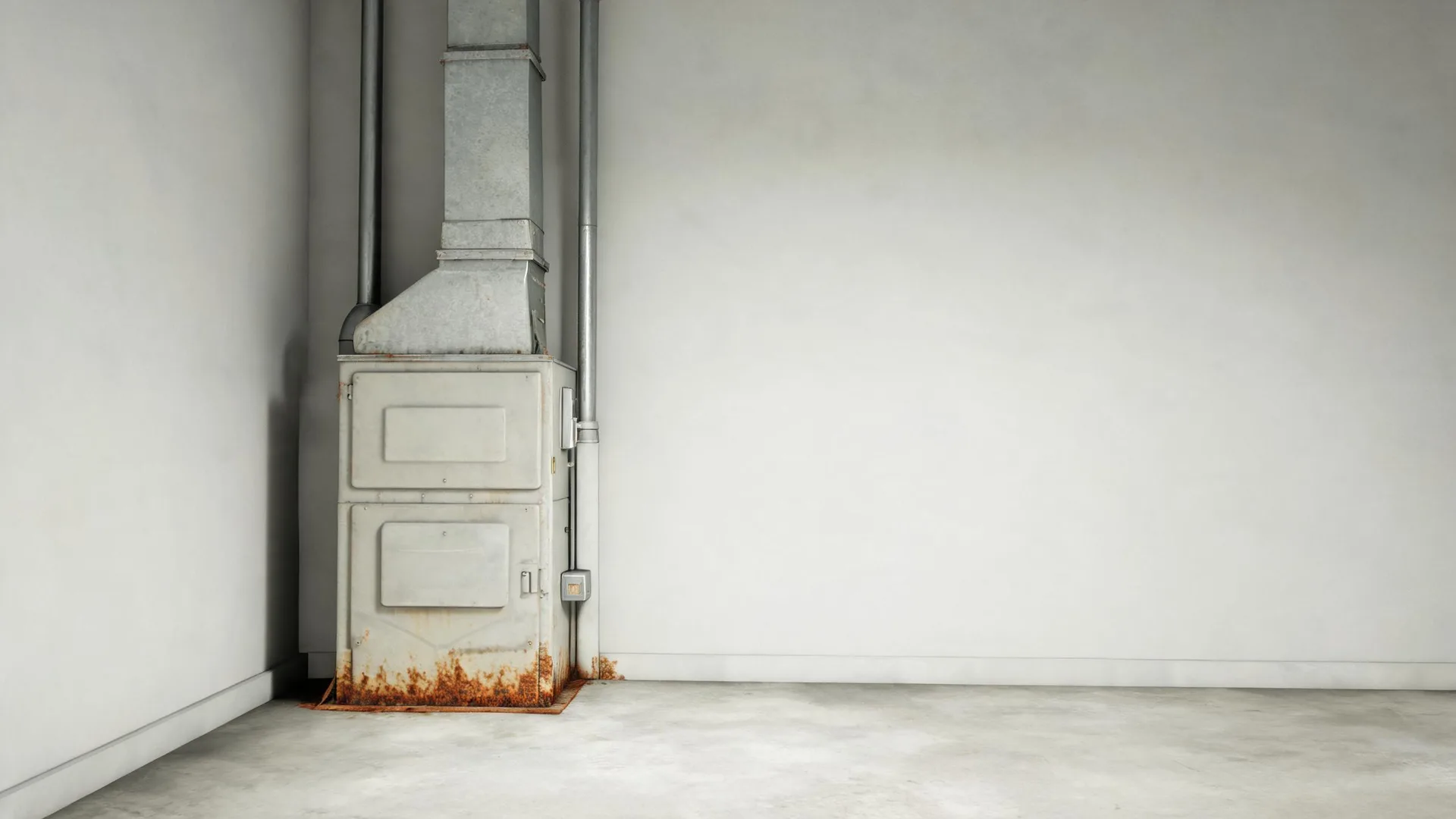
A gray high-efficiency gas furnace installed in an unfinished basement, surrounded by gas lines, a condensate drain, and sheet-metal ductwork.

What Actually Wears Out Inside a Furnace

A furnace fails the same handful of ways, year after year. The igniter wears out from switching on and off every heating cycle, until one day it doesn't glow hot enough to light the gas. The flame sensor coats over with a thin layer of residue and stops telling the control board that a flame is there, so the board shuts the gas off as a safety measure. The blower motor's bearings wear down from running hour after hour, and you'll hear it before it quits, a grinding or squealing that gets worse over weeks. Flex ductwork and loose wiring connections can shake apart just from the vibration of the blower starting and stopping. Dust and lint choke a filter until the furnace overheats and a safety switch trips to protect the heat exchanger inside. None of these happen because a furnace sat idle. They happen because something inside it wore down from doing its job.

Short cycling means something is shutting it down early

A furnace that fires up, runs for a minute or two, then quits before the house warms is tripping a safety switch somewhere. A dirty flame sensor, a clogged filter, or a cracked heat exchanger can all cause this. The furnace isn't being stubborn. Something is telling it to stop.

A new sound or smell is the furnace telling you first

A knock, a squeal, or a burning smell from the vents usually shows up before the furnace actually quits. A scraping or grinding sound points to the blower motor. A burning dust smell on the first few runs of the season is normal and clears on its own, but a smell that lingers or gets stronger is not. Catching it at this stage is what keeps a repair small.

A gray forced-air furnace with sheet-metal ductwork stands in an unfinished basement with exposed wooden joists, concrete walls, and a hanging incandescent bulb.

A new furnace would cut about $180 a year off heating for a typical St. Louis County home.

  • A new high-efficiency furnace$730 a year
  • An older furnace$910 a year

Estimates for a typical St. Louis County home, compared with an older unit built to the previous federal minimum, from EIA household energy data, Missouri fuel prices and NOAA climate normals. Your home will differ.

Repair makes sense when one part has failed and the heat exchanger is sound.

Replacement makes sense when the heat exchanger is cracked or the furnace keeps needing parts.

A diagnostic call starts before the panel ever comes off. The tech asks what the furnace was doing, when it started, and whether the problem is steady or comes and goes. Then the covers come off and the igniter, flame sensor, and blower all get a look, since those are where most trouble starts. A multimeter checks whether the right voltage is reaching the parts that are supposed to get it. Static pressure across the filter and ductwork can show a restriction you can't see or hear. If the furnace fires up during the visit, the tech watches the flame itself, its color and shape say a lot about whether it's burning the way it should. The goal is to find the one part actually causing the symptom, not to replace parts until something works.