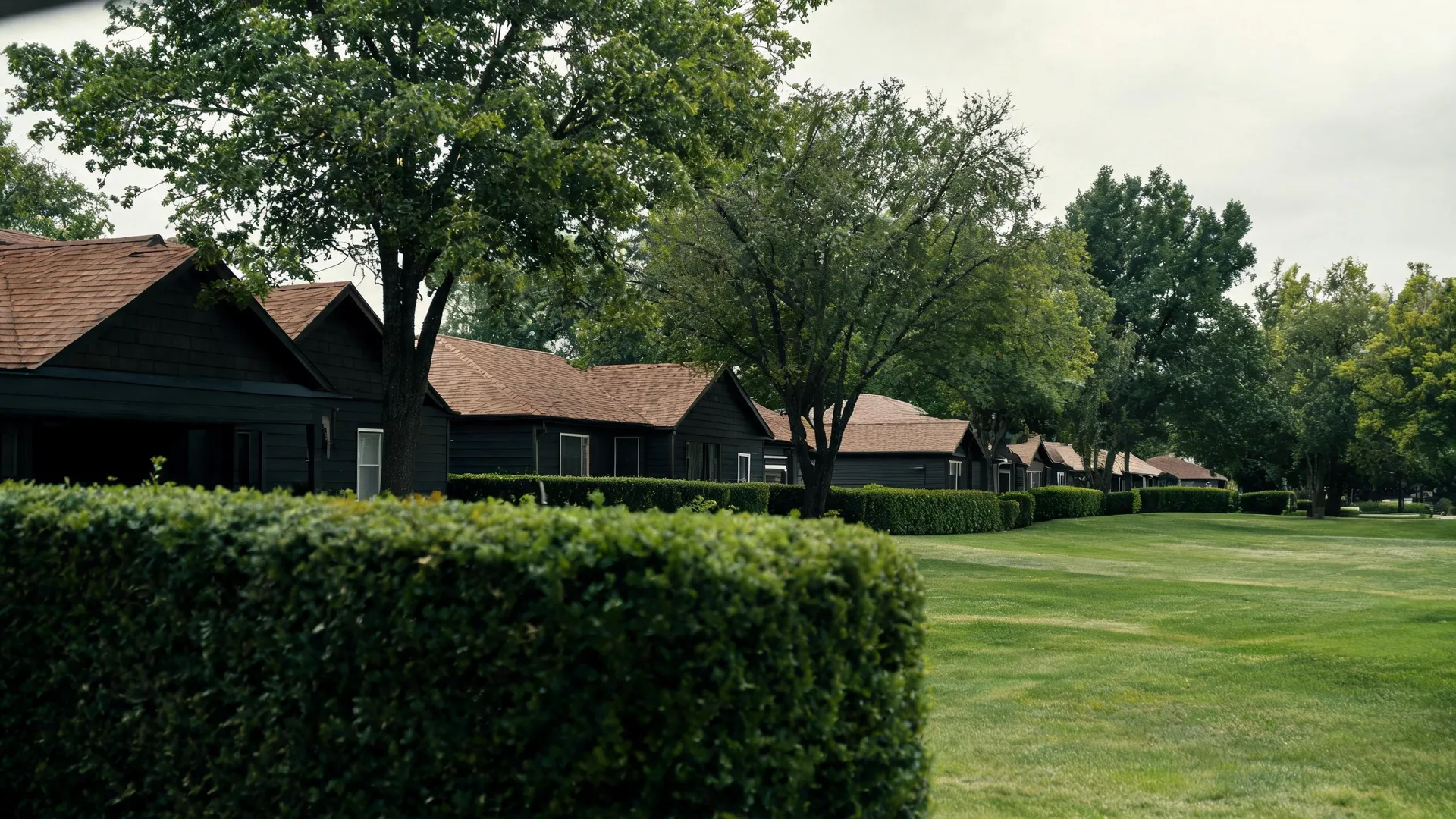





A row of dark-sided cottages with brown shingled roofs behind a trimmed hedge, beside a mown lawn and large leafy trees under an overcast sky.

Furnace Repair in Cape Girardeau, MO

Tell us about the job

Takes about a minute. No obligation.

RepairFurnace or heatingCape Girardeau County, MO
Step 1 of 2

What ZIP code is the job in?

Cape Girardeau County saw 160 severe weather events between 2015 and 2024. That includes 120 damaging wind events, 23 hail events, and 7 tornadoes. Wind and hail don't just threaten roofs and siding. Your outdoor equipment sits right out in it, and a furnace tied to a heat pump has a condenser unit exposed to whatever comes through. Statewide, almost one in five households lost power for a day or more in 2024. A furnace that runs fine today can still have a dented cabinet, a bent fan blade, or wiring loosened by a storm you barely noticed.

7 months
October through April, your furnace is on duty
27°F
the average winter night it heats against
10 winter storms
in ten years, the nights a failure hurts most
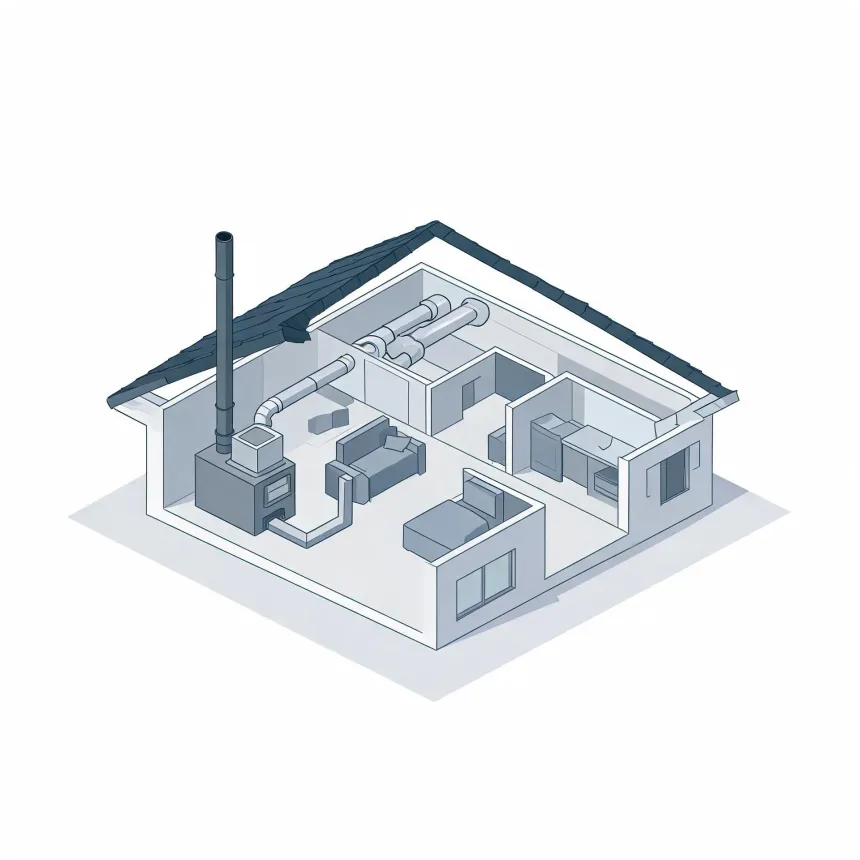
Isometric line illustration of a cutaway single-story house showing interior rooms with furniture, a furnace unit with a tall flue pipe, and connected ductwork running under the pitched roof.
Your furnace works hardest from November through March.

NOAA nClimDiv, 1991–2020 normals

A furnace that short cycles, turning on and off before the house warms up, is wearing out its heat exchanger faster than it should.

Left alone, that pattern usually ends with a cracked heat exchanger, and that's a replacement, not a repair.

Half these furnaces still have years of work left in them

Half the homes here were built by 1982
Heat runs October through April
Winter nights average 27°F
Furnace Repair in Cape Girardeau, MOHeat runs here from October through April. October is when a weak part gets found out.

So if your furnace is acting up, that doesn't mean it's done. Half the houses in the county were built in 1982 or later, and furnaces in newer homes usually still have years of work ahead of them. A repair call makes sense before you start thinking about replacement. A tech can look at what's actually wrong, a bad igniter, a failed flame sensor, a control board issue, and most of those don't mean the whole unit is shot. Get the diagnosis first. That tells you whether you're looking at a quick fix or something bigger, instead of guessing.

If the storm didn't stop it, get it looked at anyway

A furnace that made it through wind or hail can still have a loose connection or a dented cabinet that only shows up later. If your outdoor unit took a hit this year, have it checked now, even while it's still running.

Find a contractor
A man in a cap, navy T-shirt and brown pants carries a waxed canvas tool bag up the steps toward a blue front door of a shingled house, beside a potted shrub.
A gray residential gas furnace installed in an unfinished basement, surrounded by ductwork, a metal flue pipe, and a gas supply line.

What to check before you call

Before you pick up the phone, there are a few things worth checking yourself. Go to the thermostat first. Make sure it's set to heat, not cool, and that the set point is actually above room temperature. A battery that's about to die can blank a screen or make it stop responding. Next, check the breaker. A furnace that won't start at all is sometimes just a tripped switch in the panel, not a failed part. Look at the filter while you're at it. One that's clogged with dust chokes off airflow, and some furnaces will shut themselves down rather than run with a blocked filter. If the furnace has a standing pilot, see if the flame is lit and burning steady and blue. A pilot that keeps going out on its own usually points to a part that needs a tech, but relighting it yourself first tells you something either way. Check that the vents in each room are open and not blocked by furniture or rugs, since closed vents put strain on the system that can trip a safety switch. If you hear the blower running but no heat is coming out, or you smell anything like gas, stop checking and call. Those aren't things to chase down yourself.

Parts that wear out on a schedule

An igniter weakens with every cycle and eventually stops glowing hot enough to light the gas. A flame sensor coats with a thin layer of residue over time until it can't tell the furnace a flame is there, so the system shuts the gas back off. Blower motor bearings wear down and start making noise before they seize. None of these failures mean the furnace is bad. They mean a part reached the end of its working life, the same as a car battery or a set of brake pads.
Damage that doesn't start inside the furnace

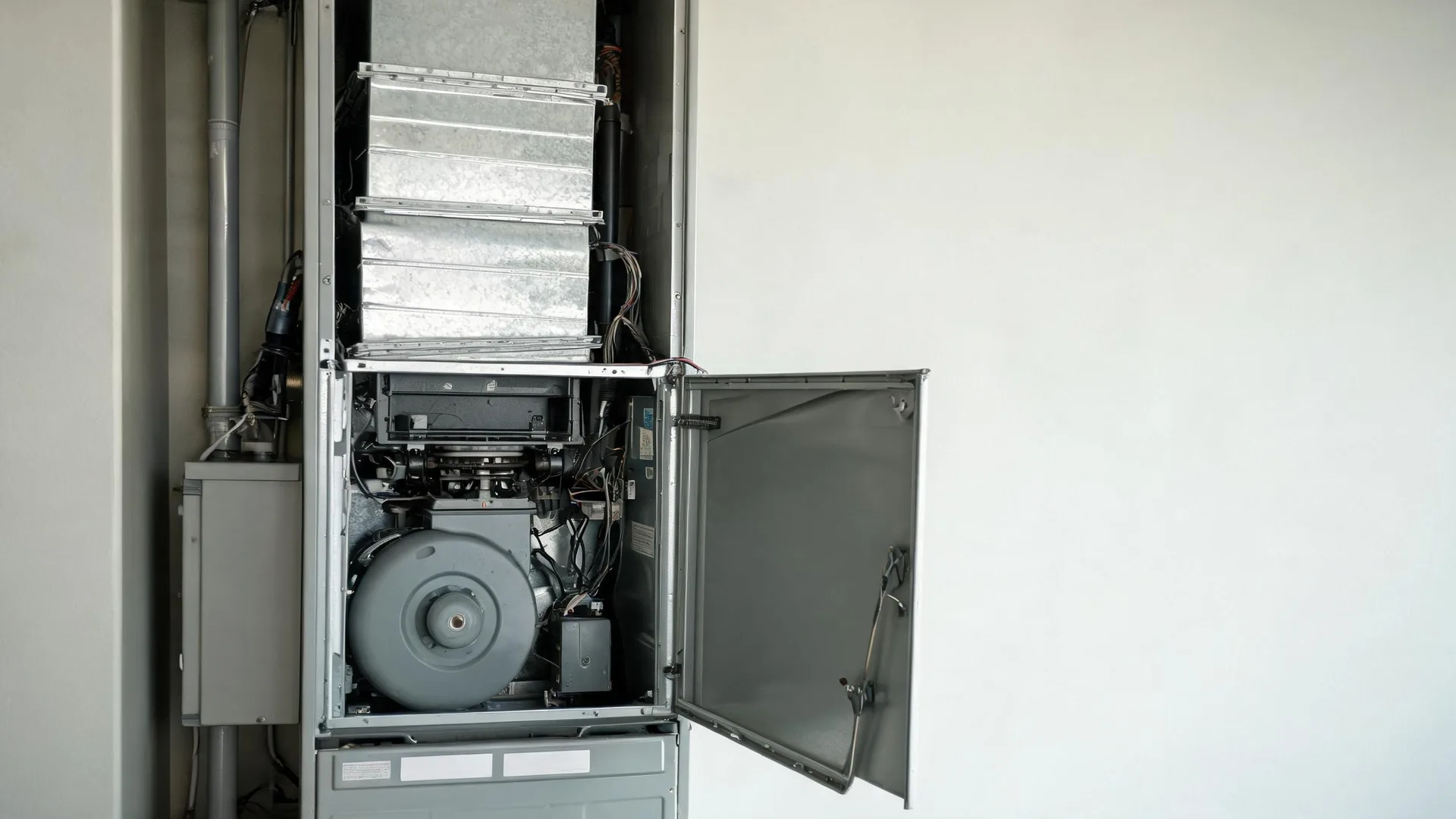
A cracked heat exchanger is usually the end result of something else going wrong first, like restricted airflow from a dirty filter or a blower that's struggling. A clogged condensate line backs up and trips a safety switch on a high efficiency furnace. Loose wiring from vibration or a rushed install can cause intermittent failures that look random until a tech traces them back to one bad connection. Chasing the symptom without finding what caused it just means the repair doesn't hold.

A furnace that's struggling doesn't usually fail outright. It keeps running, worse each day, until something breaks that didn't have to. A cracked heat exchanger is the clearest example. Restricted airflow makes the burner heat the exchanger unevenly, and metal that heats unevenly flexes until it cracks. A furnace that's short cycling is doing the same kind of damage every time it fires, because the heat exchanger never gets to run through a full, even cycle. A blower motor with worn bearings will keep spinning until the bearings seize completely, and at that point it's a motor replacement instead of a lubrication call. None of these start as big problems. They get called in as big problems because the furnace was left to run through them instead of being shut down and looked at.

A tech weighing repair against replacement is looking at a handful of things, not just the one part that failed. Age matters, but so does what else has already been replaced on this furnace and what the cabinet and burners look like once the panels are off. A furnace with a failed igniter and a clean burner assembly is usually a repair, full stop. A furnace with a cracked heat exchanger is not, because that part isn't sold on its own and the labor to open up the cabinet and swap it often costs close to a new unit anyway. The other thing worth asking is whether this is the first repair or the third one this year. One bad part is normal wear. A furnace that keeps coming back with a different failure each time is telling you the whole system is tired, even if each individual repair looks small on its own.