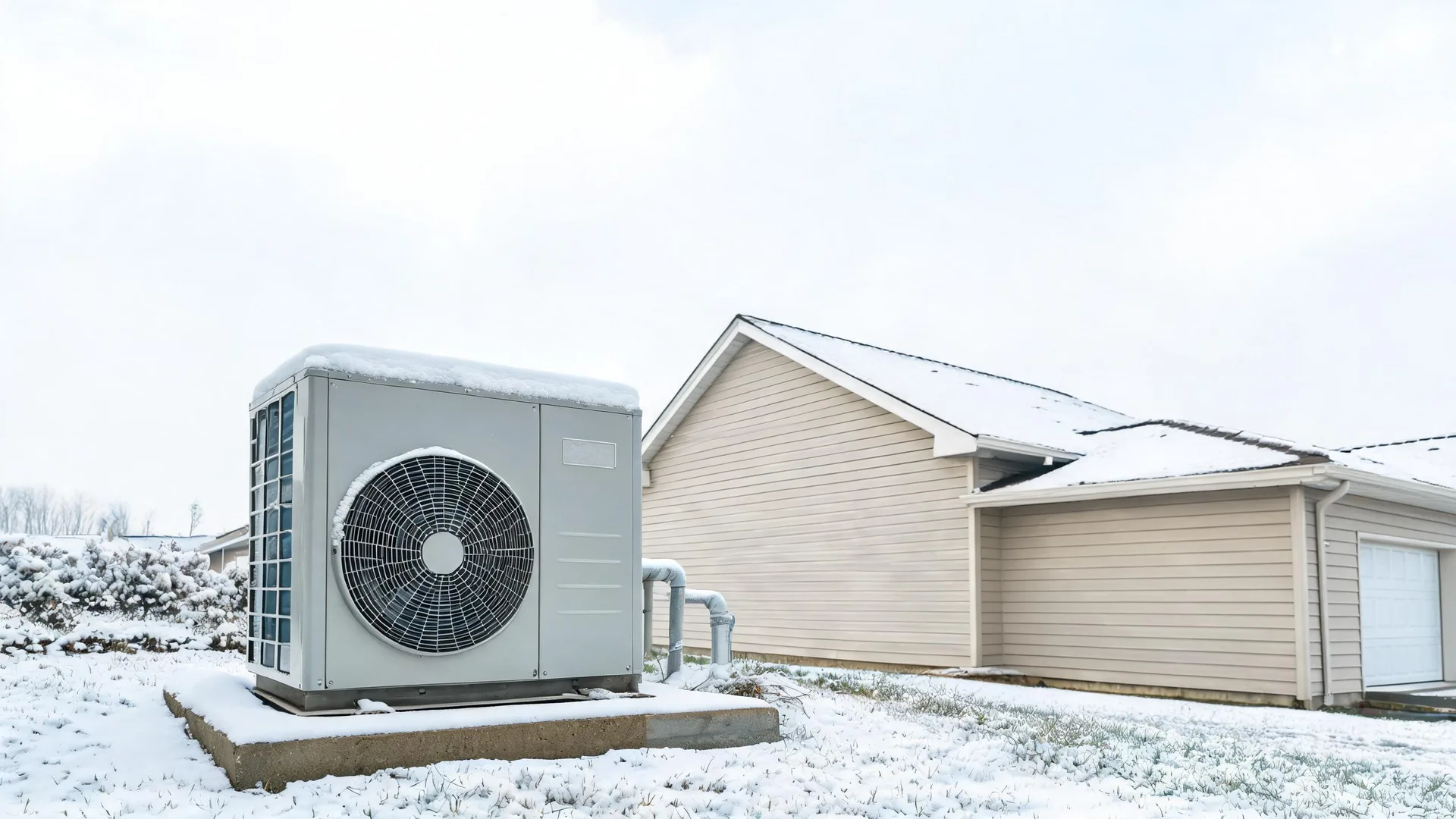
Most homes here run on electric heat
Electricity heats 57.5% of homes in Jefferson County, with another 32.4% on utility gas and 7.1% on propane. A heat pump fits right into a home already wired for electric heat.

Takes about a minute. No obligation.
Electricity heats 57.5% of homes in Jefferson County, with another 32.4% on utility gas and 7.1% on propane. A heat pump fits right into a home already wired for electric heat.
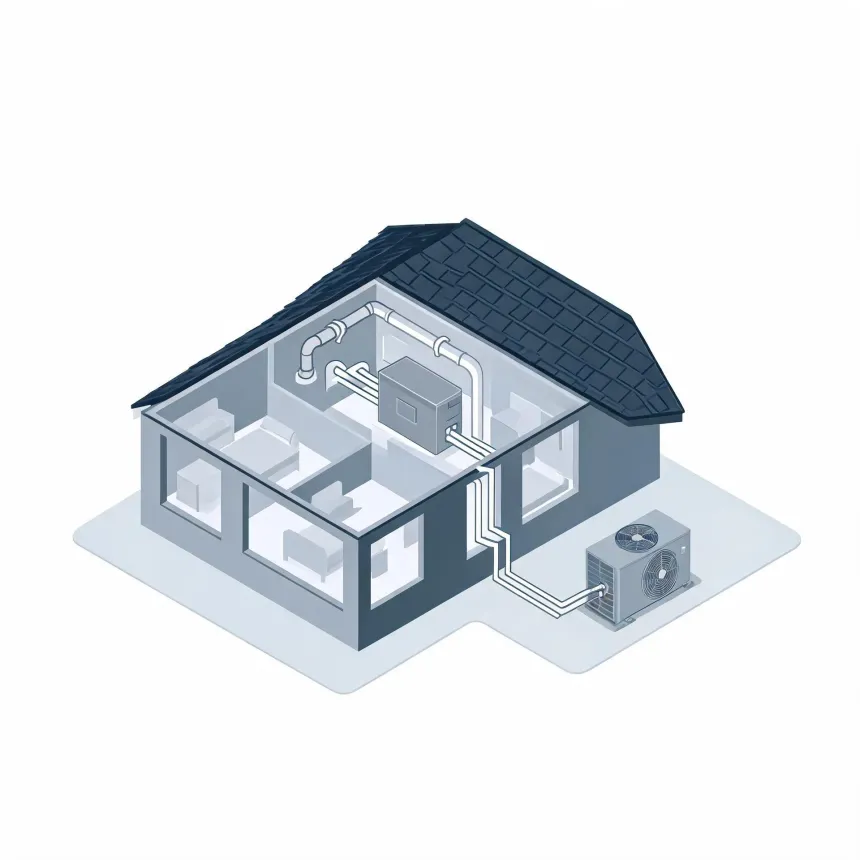
If your home is part of that 57.5%, a heat pump can likely use the same electrical setup and ductwork already in place. That keeps the job closer to a swap than a rebuild.
NOAA nClimDiv, 1991–2020 normals
Heat here runs October through April, seven months straight.
Getting the heat pump in before September means it's handling the first cold snap on a system that's already settled in, not one installed in a rush.



A standard-sized heat pump, correctly matched to the home, is what this job calls for. Jefferson County doesn't push equipment to extremes in either direction, so there's no case here for oversizing or paying for a higher tier of efficiency than the home needs. What does matter is running cost, and that comes down to the local electric rate. Missouri homes paid 12.91 cents per kilowatt-hour in 2024, which is a reasonable number as these things go. A correctly sized system run at that rate is the straightforward way to keep winter bills in line.
Jefferson County sees its share of rough weather, including damaging wind and the occasional tornado, and power can go out with it. None of that changes what size or tier of heat pump this home needs. It just means there's no benefit to waiting on an install while the current system is the one riding out the next storm.
Find a contractor
What a heat pump costs to put in comes down to how much the installer has to change to make it work. A straight swap, same spot, same ductwork, same electrical, is the simplest version of this job. Everything past that adds a step. Ductwork that's undersized or leaky may need work before the new system can move enough air through the house. A panel without room for the new circuit means an upgrade before the heat pump goes in at all. The line set between the outdoor unit and the indoor coil matters too. A longer run between them takes more refrigerant and more time to put together. The pad the outdoor unit sits on, the thermostat, and whether the home needs backup heat strips all get decided separately from the equipment itself. None of that is about the size or tier of the heat pump. A correctly sized system costs what it costs. What moves the number is how much of the house has to be adapted to take it.
The efficiency rating on a heat pump's label describes how much heat it moves for the electricity it uses. It's measured under set conditions in a lab. Homes with the same rated system can still see different running costs depending on how the home holds heat, where the thermostat gets set, and what the electric rate is. The rating is a fair way to compare one system against another. It isn't a promise of what any one household will pay.
A system rated higher for efficiency gets there with added hardware. A variable-speed compressor instead of a single-speed one. A larger coil. Sometimes a second stage of heating and cooling. That hardware is why the higher-tier unit costs more up front. The payback comes slowly, through lower running costs over the years the system stays in service. Whether that trade works out depends on how often the system runs and what electricity costs, not on the rating alone.
Sizing a heat pump isn't a guess and it isn't just matching the old unit. The installer runs a load calculation, room by room, using the home's square footage, window area, insulation, and ceiling height. That math tells them how much heat the house actually loses on a cold day and how much it gains on a hot one. Skip that step and you get problems in both directions. Too big, and the system blasts the house to temperature fast, then shuts off before it's pulled the moisture out of the air, so rooms feel clammy even when the thermostat says they're comfortable. It also cycles on and off more, which wears on the compressor over time. Too small, and it runs flat out on the coldest and hottest days and still can't keep up. The right size runs longer, steadier cycles, which is both what keeps a home comfortable and what the equipment is built to do.
Install day starts with the old equipment coming out. That means the indoor coil, the outdoor unit, and the line set if it isn't being reused. On a straight swap, the new outdoor unit sits on the existing pad and the indoor coil ties into the ductwork that's already there. If a line set is reused or a new one run, it gets pressure tested before any refrigerant goes in. A joint that leaks slowly won't show up as a system that fails outright. It shows up months later as a system that quietly stops keeping up. Once the lines hold pressure, the system gets charged to the manufacturer's spec, not just until it's blowing cold air. The installer should also check airflow at the vents and confirm the thermostat is reading and responding correctly before calling the job finished. None of that is visible once the covers go back on, which is why it's worth asking what got tested, not just what got installed.