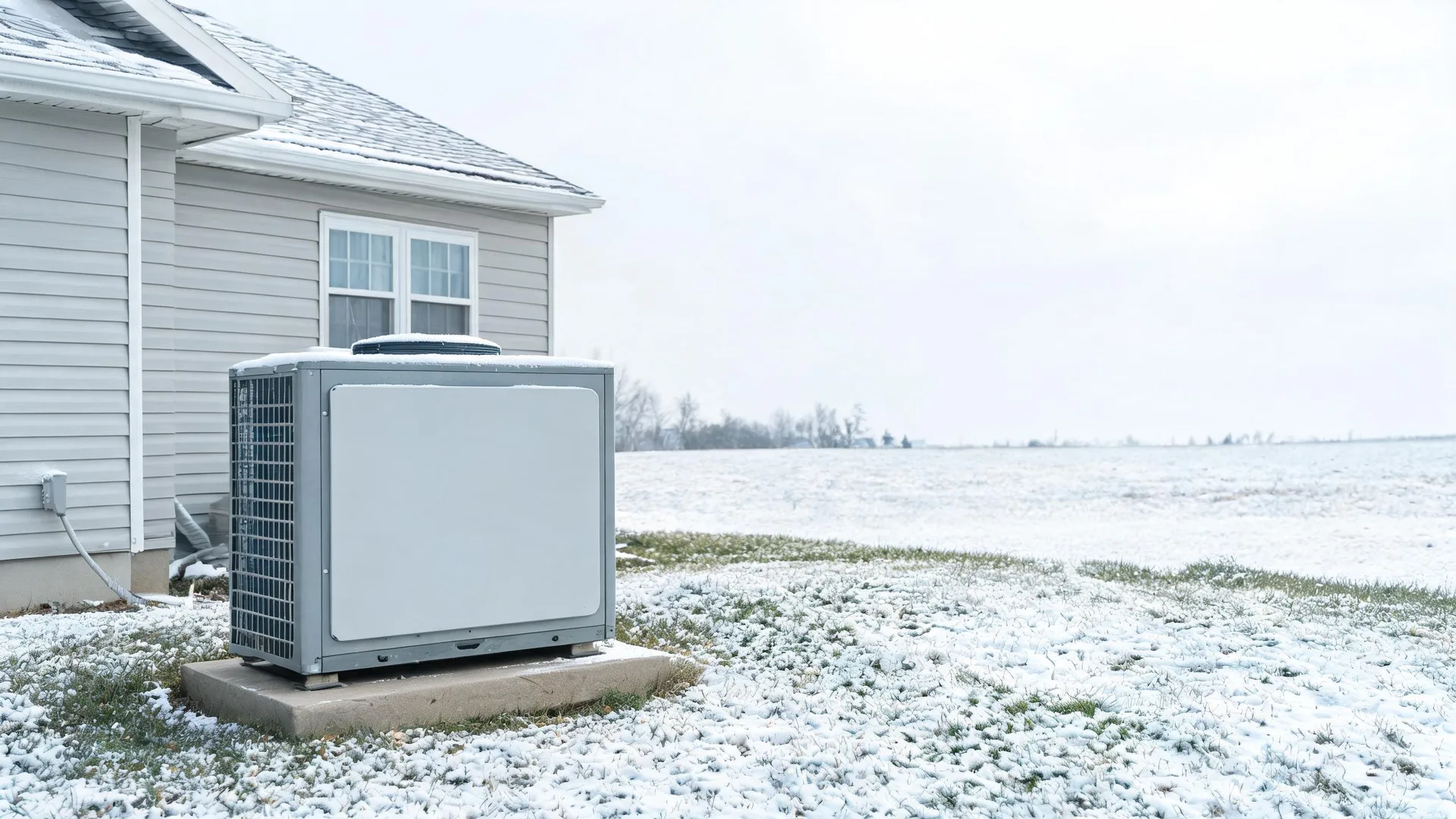
Most homes here already run on electricity
Electricity heats 67.4% of homes in Lincoln County, the most of any fuel, and gas reaches only 17.0%. A heat pump fits that setup without adding a fuel line or a gas account.
Takes about a minute. No obligation.
Electricity heats 67.4% of homes in Lincoln County, the most of any fuel, and gas reaches only 17.0%. A heat pump fits that setup without adding a fuel line or a gas account.
If your house already heats with electric, the wiring and panel capacity a heat pump needs are likely already part of the picture. That makes this swap closer to a straight equipment change than a rebuild.

NOAA nClimDiv, 1991–2020 normals
September is the last month before heat season starts in Lincoln County.
Get the heat pump installed in September and it's ready for October, not catching up to it.




Lincoln County sits in climate zone 4A, a mixed zone that asks real work of a heat pump in both directions, humid summers and cold stretches in winter. Any split-system heat pump installed here has to meet 14.3 SEER2 for cooling and 7.5 HSPF2 for heating. That's a federal floor, not a local add-on, so it's the baseline you're comparing against no matter who bids the job. It narrows the field to equipment built for both sides of the year, not just one. A unit that clears those numbers may also qualify for the federal tax credit on heat pump installations, worth checking against the specific model before you decide.
Replace it before the season starts, so it happens on your schedule, not in a hurry.
Find a contractorWhatever is running now gets disconnected once the new heat pump is in and taking over. If the old system is a furnace paired with a separate AC unit, both get pulled, along with the refrigerant lines and any thermostat wiring that doesn't carry over. If it's an older heat pump, the outdoor unit and air handler or coil come out together. A licensed contractor handles the refrigerant recovery as part of that teardown, since it can't just be vented. None of this changes what the new system needs to run. It just has to come out clean so the install isn't working around dead equipment.
A heat pump sized too large for the house will short cycle. It runs for a few minutes, shuts off, then starts again before the house actually feels it. That wears the compressor and leaves rooms uneven, warm in one spot and cold in the next. Undersized has the opposite problem. It runs constantly during the coldest or hottest stretches and still can't keep up. The right size is the one that runs long, steady cycles, not the biggest unit that fits in the space outside.
A contractor works out the size with a load calculation, room by room, based on square footage, windows, insulation, and how the house is laid out. That number decides what goes in, not the size of whatever is being replaced. Houses that look alike from the outside can need different equipment because one has more west-facing glass or a different attic setup. Ask to see the load calculation before agreeing to a size, not just a quote.
Ask every bidder what they're quoting against the same spec sheet. A compressor can run single-stage or variable-speed, and that changes how the system behaves, not just the price. Single-stage is on or off, full blast every time it runs. Variable-speed ramps up and down to match what the house needs at that moment, which tends to mean steadier temperatures and a quieter outdoor unit. Ask what the sound rating is on that unit too, especially if it sits near a bedroom window. Ask what the warranty covers on the compressor versus the rest of the parts, since those terms often differ. And ask who's responsible if the system is installed wrong. Equipment can be sized and specified correctly and still underperform if the refrigerant charge is off or the ductwork can't move enough air.
The crew spends the first part of the day on teardown, clearing out whatever is being replaced before anything new goes in. Once that is done, the refrigerant lines get run or replaced. A line set left over from the old system has to be the right size for the new equipment and clean inside, or it carries contaminants into the new compressor. After the outdoor unit and air handler are set and connected, the system gets evacuated to pull moisture and air out of the lines before refrigerant goes in. Charging it right means weighing in the exact amount the manufacturer specifies, not just running it until the house feels cool. The last part of the day is the part that gets skipped on a rushed job. Airflow gets checked at the vents, the thermostat wiring gets confirmed, and the system runs through a full cycle before anyone calls it done.