Stoddard County sees its share of storms
Stoddard County recorded 143 severe weather events between 2015 and 2024. That included 110 damaging wind events, 13 hail events, 8 tornadoes and 12 winter storms with heavy snow or ice.
Takes about a minute. No obligation.
Stoddard County recorded 143 severe weather events between 2015 and 2024. That included 110 damaging wind events, 13 hail events, 8 tornadoes and 12 winter storms with heavy snow or ice.
Nearly one in five Missouri households went at least 24 hours without power in 2024. A heat pump handles both heating and cooling, so where it sits and how it's protected matters for the whole year, not just summer.

NOAA nClimDiv, 1991–2020 normals
October is when heat pumps here start running for the winter.
Get the install done before then and the first cold snap isn't a scramble.



Electricity already heats just over half the homes in Stoddard County, more than any other fuel. A heat pump fits into that pattern instead of fighting it, since it runs on the same electric service most houses here already have. That matters when the power goes out and comes back, because a heat pump just needs that circuit live again to pick up where it left off. No gas line to check, no pilot to relight. For a county where outages stretch longer than people expect, one less thing to restart is worth something.
Talk to your installer about where the outdoor unit will sit and what will shield it from wind and hail. Ask what happens to your heat and hot water if the power drops, and for how long. Getting this settled during installation means it's already handled before the next storm, not after.
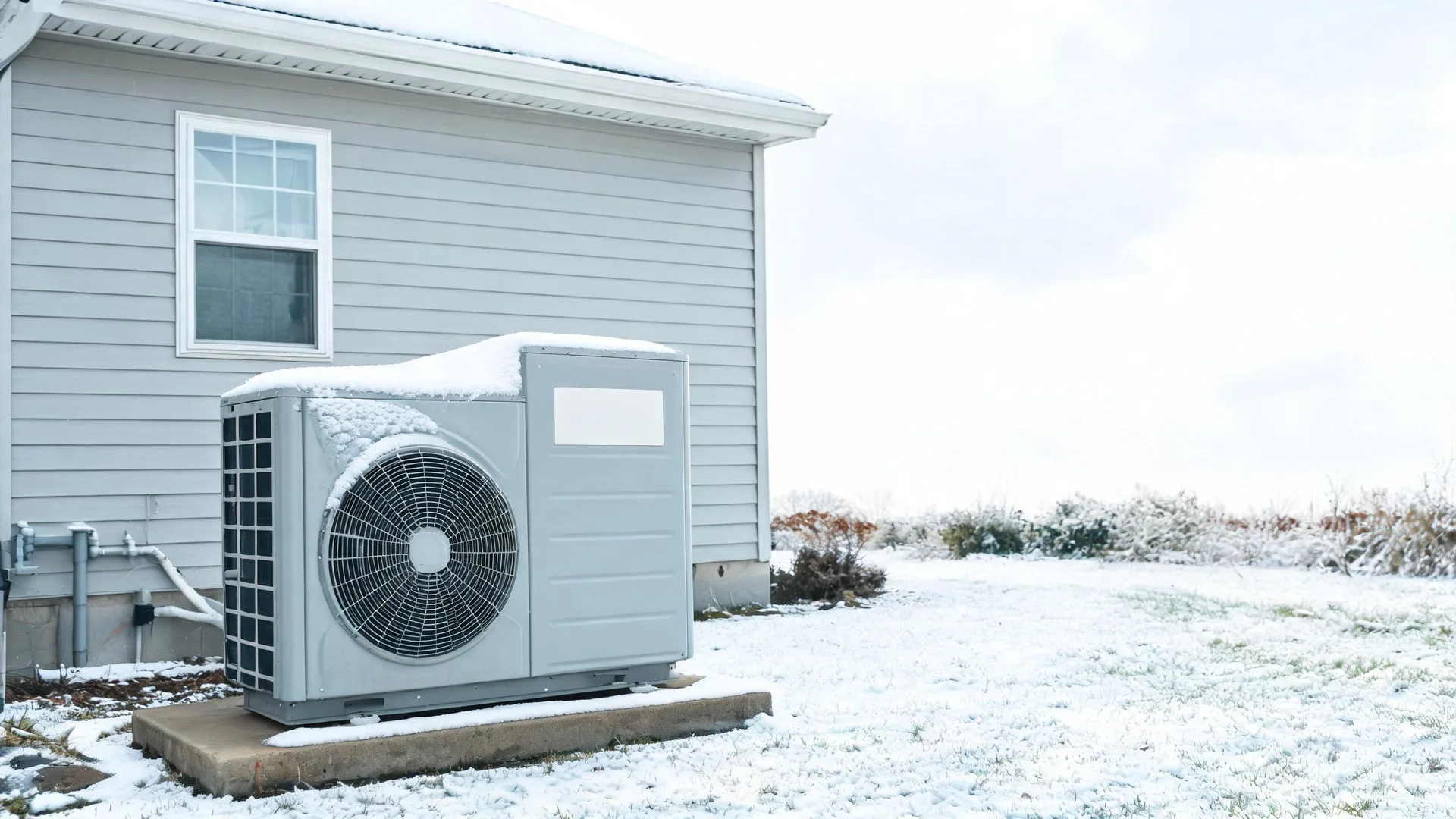
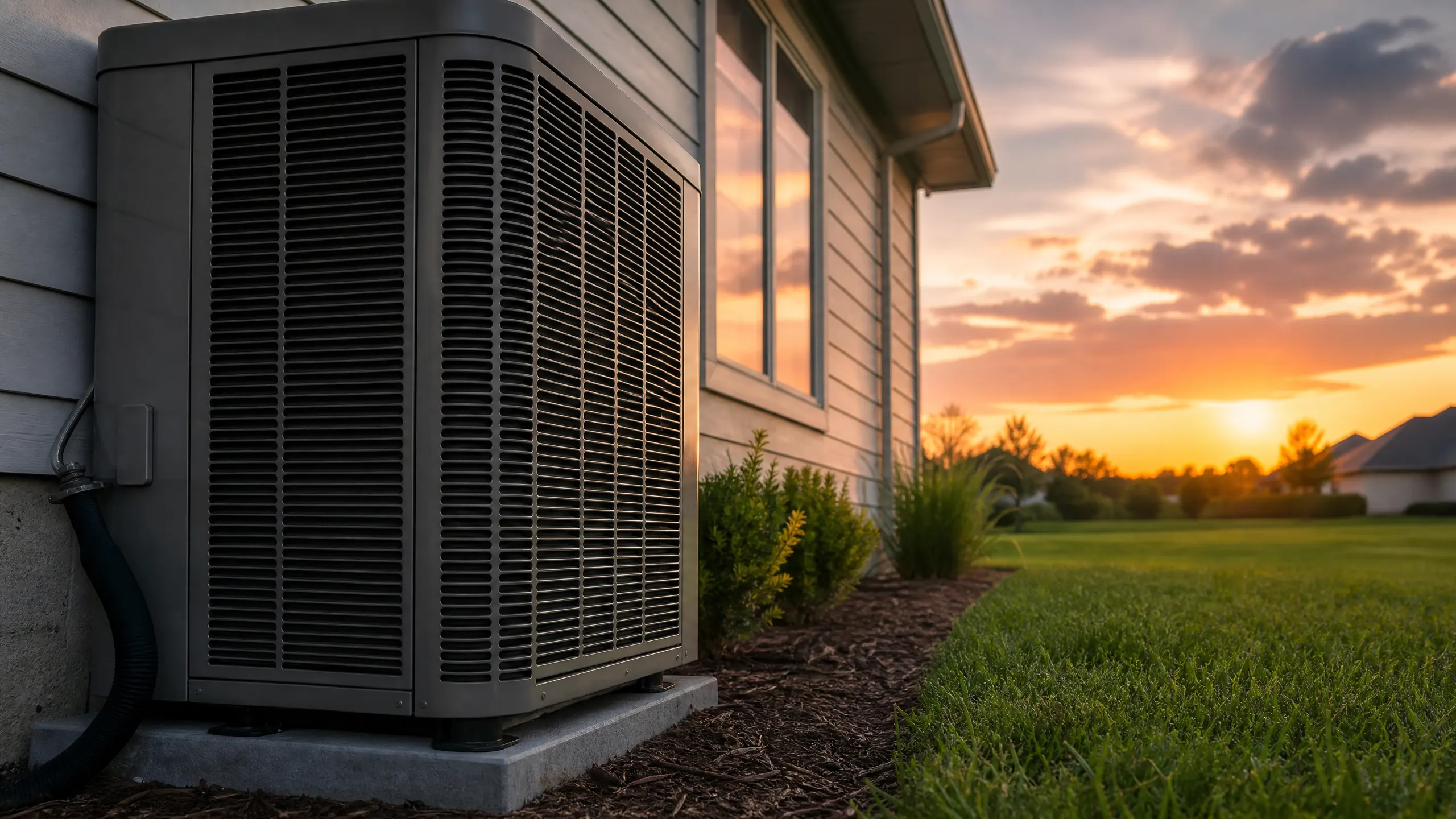
Find a contractorThis heat pump will run most days of the year, heating through the winter and cooling through the long summer. That kind of use puts real hours on the compressor and the outdoor unit. Wind is the other half of it. Damaging wind hit Stoddard County 110 times between 2015 and 2024, and the outdoor unit sits outside through all of it. When you size and place this system, size it for the load your house actually has, not the smallest unit that clears the quote. A unit that's undersized runs harder to keep up, and one that's already working near its limit has less room left when a storm adds stress on top of it.
A heat pump has to be sized to the house: the square footage, the insulation, the windows, how many walls face the weather. A contractor works this out room by room rather than just matching whatever was there before, because the old unit may have been wrong from the start, or the house has changed since it went in.
A heat pump too small for the house runs constantly and still falls behind on the coldest or hottest days. One too large cycles on and off fast, which wears the compressor and leaves the house clammy in summer because it never runs long enough to pull the moisture out of the air. Right sized, it runs long, steady cycles and holds the temperature without strain.
A few things drive what an installation runs. The outdoor unit and the indoor coil have to be matched to each other, and both have to be sized to the house through a load calculation, not guessed from the old equipment. Ductwork is often the real variable. If the existing ducts are undersized, leaky, or routed wrong for a heat pump's longer, steadier airflow, they need work before the new system can perform the way it's rated to. Electrical capacity matters too. A heat pump draws differently than whatever heated the house before, and the panel and circuit have to support it, which sometimes means panel work alongside the install. Where the outdoor unit goes and what stands between it and the weather is part of the job as well, not an afterthought once the equipment is set. None of this is optional scope added to pad a quote. Skip it and the system either can't be installed correctly or won't hold up once it's running.
Stoddard County falls under zone 4A in the 2021 energy code, a mixed climate that works both the heating and cooling sides of a heat pump instead of favoring one. Any split-system heat pump manufactured on or after January 1, 2023 has to clear federal minimums tied to that: at least 14.3 Btu of heat moved per watt-hour over the summer, and at least 7.5 Btu per watt-hour over the winter. That's the floor, not a target to aim for. A federal tax credit is available for qualifying heat pump installations, worth checking against whatever system you're considering. The efficiency number on the label only means something if the unit is sized and installed to actually reach it in your house.