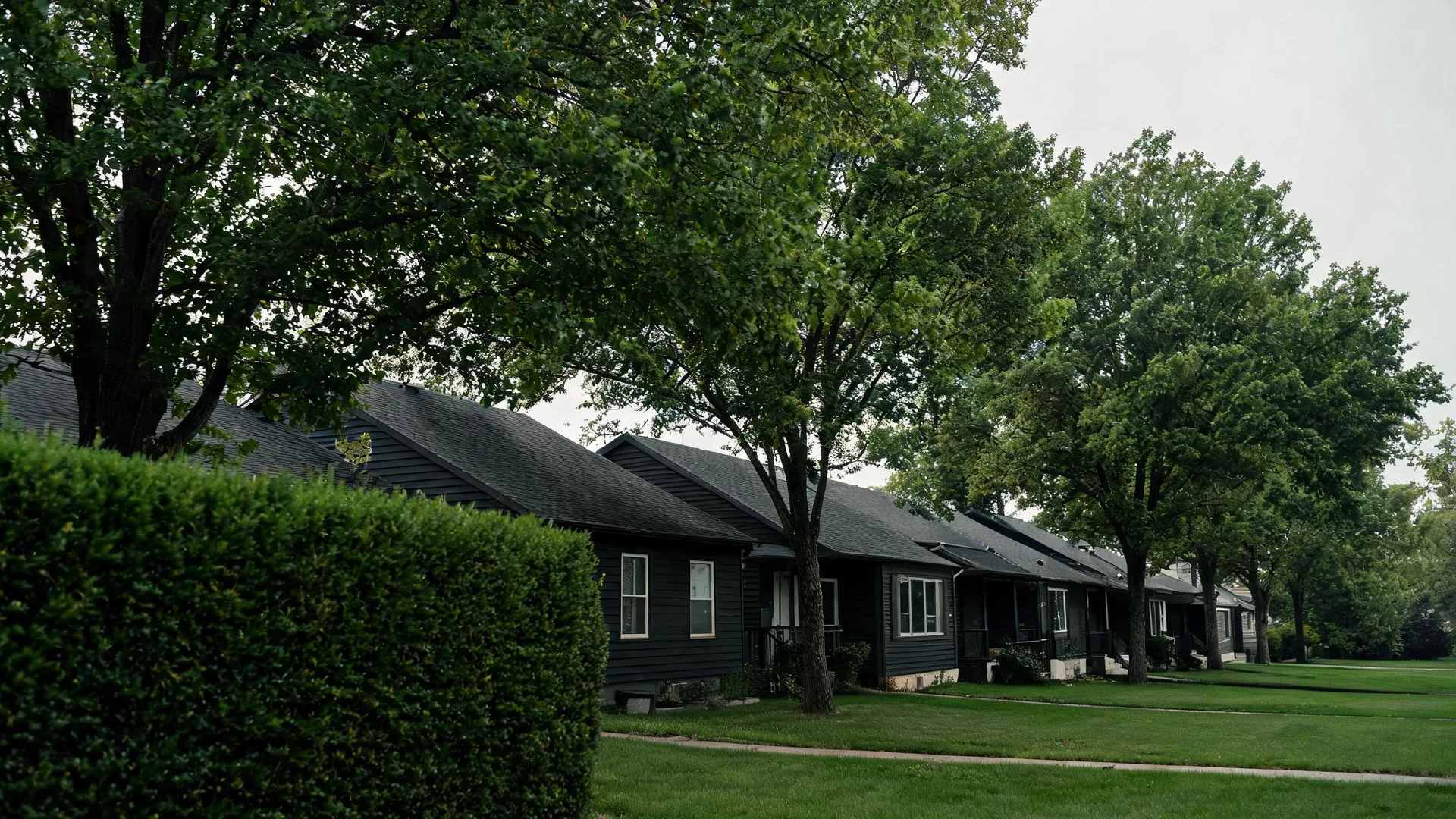





A row of dark-sided single-story houses with gray shingled roofs behind large leafy trees, a trimmed hedge at left and mown lawn with a narrow walkway in front.

Heat Pump Installation in Sedalia, MO

Tell us about the job

Takes about a minute. No obligation.

New system or replacementHeat PumpPettis County, MO
Step 1 of 2

What ZIP code is the job in?

Electricity heats more homes in Pettis County than any other fuel, 44.7% of them. Gas is close behind at 39.5%, with another 12.3% on bottled or LP gas. That electric majority matters if you're adding a heat pump, since the home already has the panel capacity and wiring an electric system expects, and no gas line to work around. A heat pump installed here is stepping into a setup a lot of homes in the county already run on.

7 months
October through April, your system heats
5 months
May through September, it cools
24°F
the average winter night it heats against
86°F
the average summer afternoon it cools against
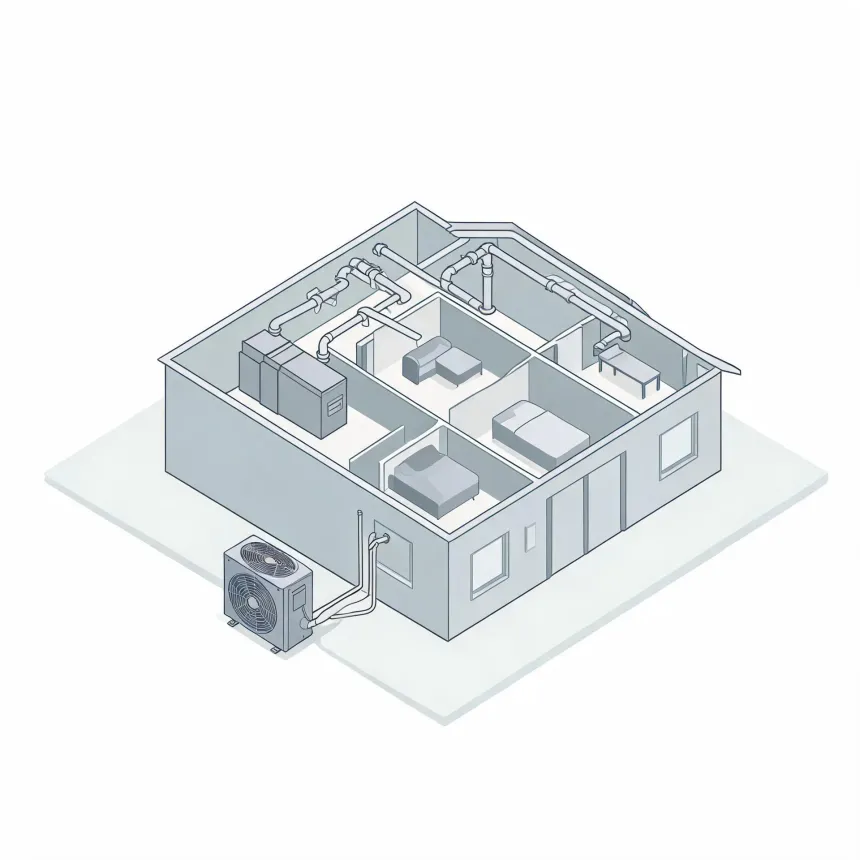
Isometric line illustration of a cutaway single-story house showing interior rooms with beds and furniture, ceiling ductwork connected to an indoor air handler, and an outdoor condenser unit linked by refrigerant lines.
Your system heats October through April and cools May through September.

NOAA nClimDiv, 1991–2020 normals

A standard heat pump, sized right, handles a Sedalia home without upgrades.

At 12.91 cents a kilowatt-hour, there's no local reason to pay more for oversized capacity or a higher efficiency tier than this house needs.

Get a heat pump in before September, and it's running on your schedule, not the old one's last day

Cooling runs May through September
Heat runs October through April
35 hail events from 2015 to 2024

Pettis County has had 35 hail events between 2015 and 2024. That's worth knowing for the outdoor unit, but it doesn't change what you need to buy. The cabinet and coil on a standard heat pump are built to take hail same as any other outdoor condenser in this part of Missouri. There's no local reason to step up to a heavier-duty model or pay for extra protection. A correctly sized, standard-efficiency unit is the right call for a Sedalia home.

The system has to clear a minimum built for this climate. Get the credit while it's still on the table.

Any heat pump installed here has to meet 14.3 SEER2 and 7.5 HSPF2, the federal minimum as of 2023. That rating is built for a zone 4A climate, one that asks real work of both heating and cooling. A unit that clears it is already matched to what Sedalia winters and summers need from it, and there's a federal tax credit available on qualifying equipment.

Find a contractor
A man in a cap and brown jacket, seen from behind, climbs porch steps toward a blue front door while carrying a canvas tool bag, with a potted shrub in a blue planter beside him.
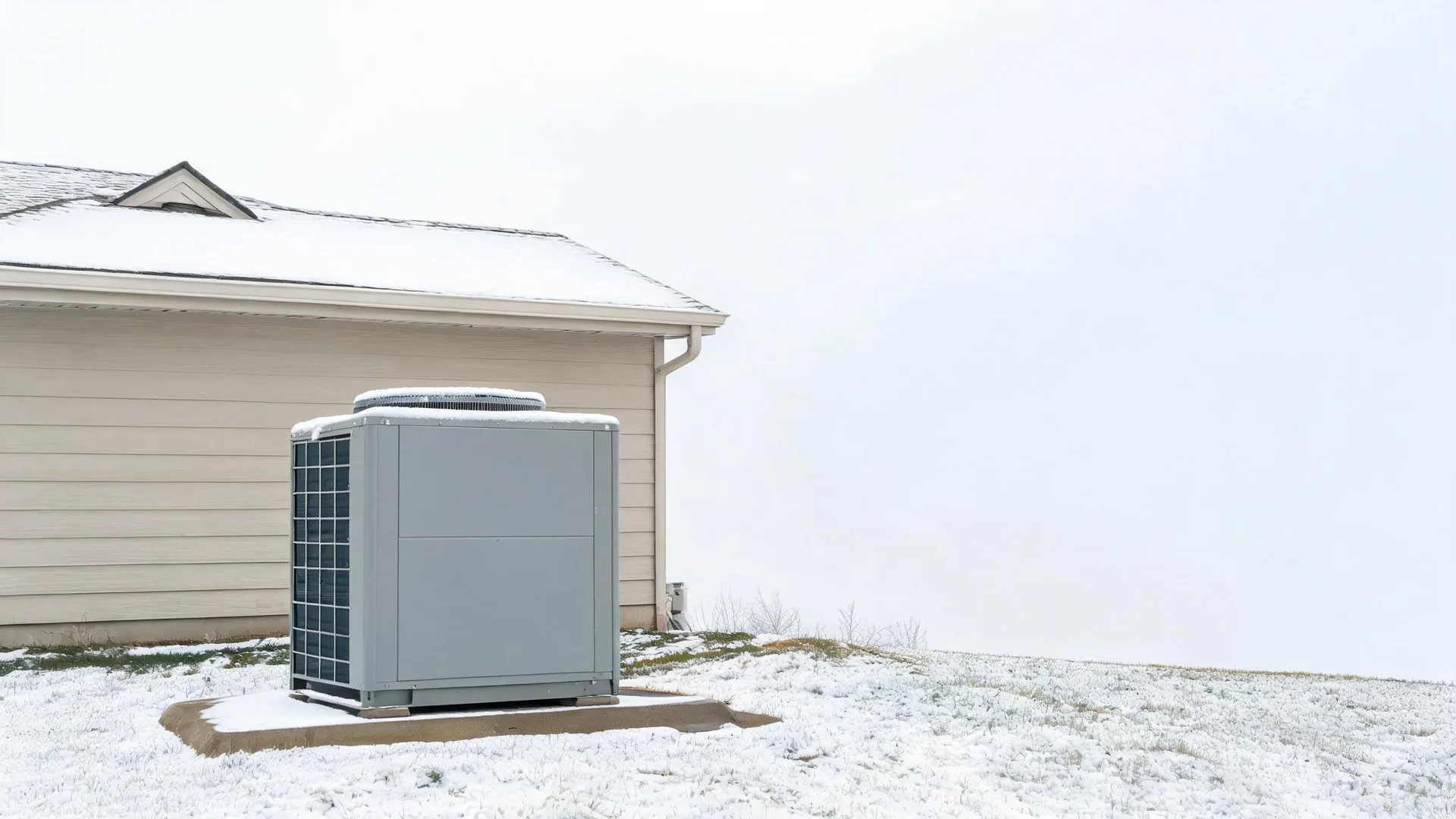
A residential heat pump outdoor unit mounted on a concrete pad next to a house with gray vinyl siding.

It runs every month. That still doesn't change the size you need

A heat pump here runs in both directions. It heats the house all winter and cools it all summer, with no season off. That workload is the same whether the house was built before 1974 or after. Half the homes in Pettis County fall on each side of that line. Age doesn't change what the equipment needs to do, and it doesn't call for a bigger unit or a higher tier either. A heat pump sized to the house handles that year-round load the same way a standard unit always does. What wears a system down is running for years on end, not the particular months it runs in.

Sizing drives the cost, not the brand name

A load calculation looks at square footage, window area, insulation and layout to find the right size unit. Go too small and the system runs constantly without reaching temperature. Go too big and it short cycles, turning on and off before it can properly heat or cool the air. Either mistake costs more over time than getting the size right at install.
What the installer finds on site changes the job

The ductwork already in the house has to handle the airflow a heat pump moves. If the ducts are undersized, leaky, or routed in a way that restricts flow, they need work before the new system can perform the way it's rated to. The electrical panel and wiring have to support the unit's demand too. Neither of those is visible from a price list. They show up once a contractor is actually looking at the house.

The efficiency rating tells you how much heat a unit moves for the electricity it uses, nothing more. A higher number means lower running cost over the life of the system, but it doesn't mean more heat or more cooling. Units with different ratings can still keep a house exactly as warm or cool as you set the thermostat. The difference only shows up on the electric bill, month after month. Paying for a tier above the minimum only pays you back if the house runs the system enough to make up the difference over time. That's a question about the house and the climate, not something the rating answers by itself.

Installation day starts with the old equipment coming out, if there is any, and the new outdoor unit and air handler going in. An installer sets the outdoor unit on its pad, runs the refrigerant lines, and connects it to the indoor coil. That coil usually ties into ductwork that's already in the house, so there's work fitting the new system to what's already there. Then comes the electrical. A dedicated circuit, a disconnect box mounted outside, wiring run to the thermostat. Once it's all connected, the system gets charged with refrigerant and run in both heating and cooling to check the airflow and the temperature coming out of the vents. The last step is a walkthrough on the thermostat and what to expect from the system in its first few weeks.