Storms come through here often
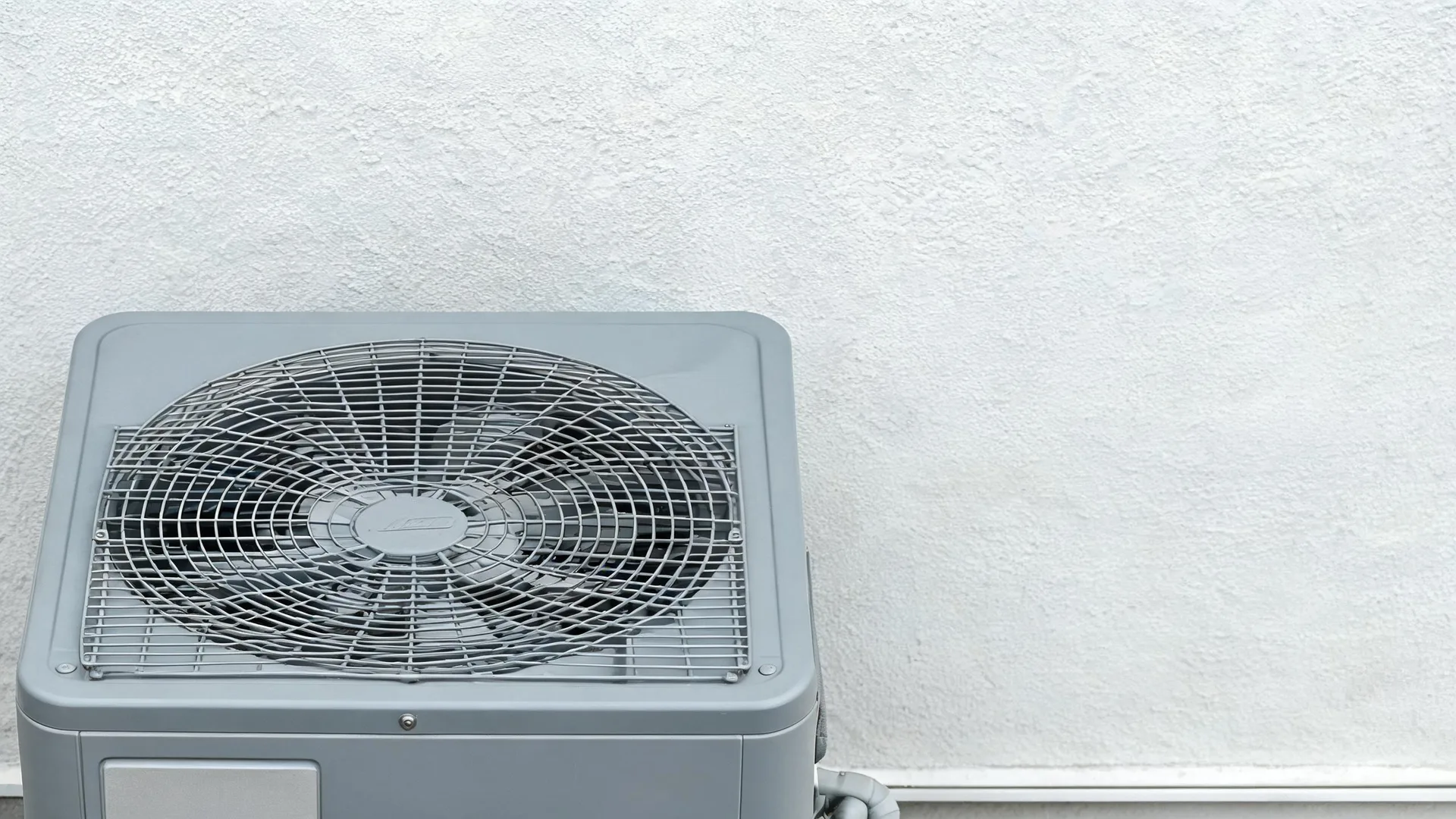
Lawrence County logged 148 severe weather events between 2015 and 2024, including damaging wind, hail, and tornadoes. An outdoor heat pump sits through all of it, year after year.
Takes about a minute. No obligation.
Lawrence County logged 148 severe weather events between 2015 and 2024, including damaging wind, hail, and tornadoes. An outdoor heat pump sits through all of it, year after year.
Hail and wind debris are a real risk for an outdoor unit in this county, and a large share of Missouri households lost power for a day or more in 2024. Talk with the installer about where the unit sits, what shields it, and how you'll keep heat running if the power goes out.

NOAA nClimDiv, 1991–2020 normals
The efficiency rating on the label tells you how much heat the unit moves for the power it uses, not how big a space it can handle.
Size the heat pump to the house first, then compare ratings among units that are already the right size.




Aurora falls in climate zone 4A, a mixed climate that asks real work of both heating and cooling. Any split-system heat pump installed here new has to meet 14.3 SEER2 for cooling and 7.5 HSPF2 for heating. That's a floor, not a goal the installer is aiming for. It narrows the field some, but it also means every unit you're shown already handles this climate's swing between seasons. A federal tax credit is available for qualifying heat pumps, worth looking into once you've settled on a system sized right for your home.
Electricity in Missouri runs 12.91 cents per kilowatthour, cheaper than most of the country. That changes the math on a high-efficiency unit. It costs more up front and takes longer to earn that back on your power bill. With power this cheap, the better question is whether the unit is sized right for your house and built to keep running through what Lawrence County's weather brings. Talk with the installer about what fits before you pay more for a rating you may not need.
Find a contractorA heat pump runs for both heating and cooling, so it logs far more hours over a year than a furnace or an air conditioner alone ever would. That duty cycle is exactly what installation has to plan around. The size of the unit matters more here than with a straight air conditioner, because an oversized heat pump short cycles on mild days and a undersized one struggles when it has to pull double duty across both seasons. The line set, the refrigerant charge, and the airflow through the indoor coil all get set up once at install, and a sloppy job on any of them shows up later as a unit that runs longer than it should to hit the same temperature. A unit installed to run efficiently across all those hours costs less to live with than one installed fast and left to work harder than it needs to.
Whatever heated or cooled the house before, whether a furnace, an air conditioner, or an older heat pump, comes out before the new one goes in. If it runs on refrigerant, that refrigerant has to be recovered first, not vented into the air. That recovery is part of the tear-out, not an extra step tacked on.
A straight swap is rarely a clean swap. The old line set, the electrical whip, the pad the unit sat on, all get checked against what the new heat pump actually needs. A line set that's the wrong diameter or worn from years of use won't move refrigerant the way the new unit is designed for, so it's worth asking the installer whether it gets reused or replaced.
Sizing a heat pump starts with a load calculation, not a tape measure around the old unit. The installer looks at square footage, but also window area, insulation, ceiling height, and which way the house faces, then works out how much heat it loses on the coldest day and gains on the hottest. Skip that step and guess off the old equipment's size, and you inherit whatever mistake was built into the last install. Too big, and the unit blasts the house to temperature and shuts off before it finishes a full cycle, which leaves the air clammy in summer and the rooms unevenly heated in winter. Too small, and it runs flat out on the hardest days and still can't keep up, so the backup heat kicks in more than it should. The right size is the one that runs long, steady cycles on an average day and still has enough capacity left for the extreme ones.
Install day starts with the outdoor unit and the indoor coil going in, but most of the day goes to the connections between them. The line set gets run, brazed, and pressure tested before any refrigerant goes near it. A joint that leaks slow won't fail outright, it'll just rob the system of capacity for years. The indoor coil ties into the existing ductwork or air handler, and the electrical whip gets sized to what the new unit actually draws, not what the old one needed. Once everything's connected, the installer pulls a vacuum on the line set to clear out moisture and air before charging it with refrigerant, and that vacuum has to hold before the system gets fired up. After it's running, the installer checks the refrigerant charge against the manufacturer's spec, checks airflow at the vents, and walks the thermostat through its settings with you standing there. A heat pump installed right gets tested in both directions before the installer leaves, not just whichever mode the weather that day happens to call for.