Storms come through often
Howell County logged 183 severe weather events between 2015 and 2024. That includes 100 damaging wind events, 66 hail events, 5 tornadoes and 10 winter storms with heavy snow or ice.
Takes about a minute. No obligation.
Howell County logged 183 severe weather events between 2015 and 2024. That includes 100 damaging wind events, 66 hail events, 5 tornadoes and 10 winter storms with heavy snow or ice.
Nearly one in five Missouri households went at least a full day without power in 2024. A heat pump handles both your heat and your cooling, so an outage here can mean no furnace backup to fall back on.

NOAA nClimDiv, 1991–2020 normals
Almost half the homes in Howell County heat with electricity already.
A heat pump replacing an electric furnace or baseboard heat is working with wiring the house already has.



Heat here runs October through April, about seven months out of the year. September is the month to get a new heat pump in the ground, before the first cold snap sends everyone else's furnace calls in ahead of yours. Winter nights in Howell County average 26°F, so the system needs to be sized and running correctly before it has to work that hard. Summer is the other window. Cooling only runs June through September, so a unit installed in May has a full season to settle in before the harder job starts in winter. Either way, the goal is to have it installed and checked out on a normal schedule, not called in as an emergency when the old system quits in January.
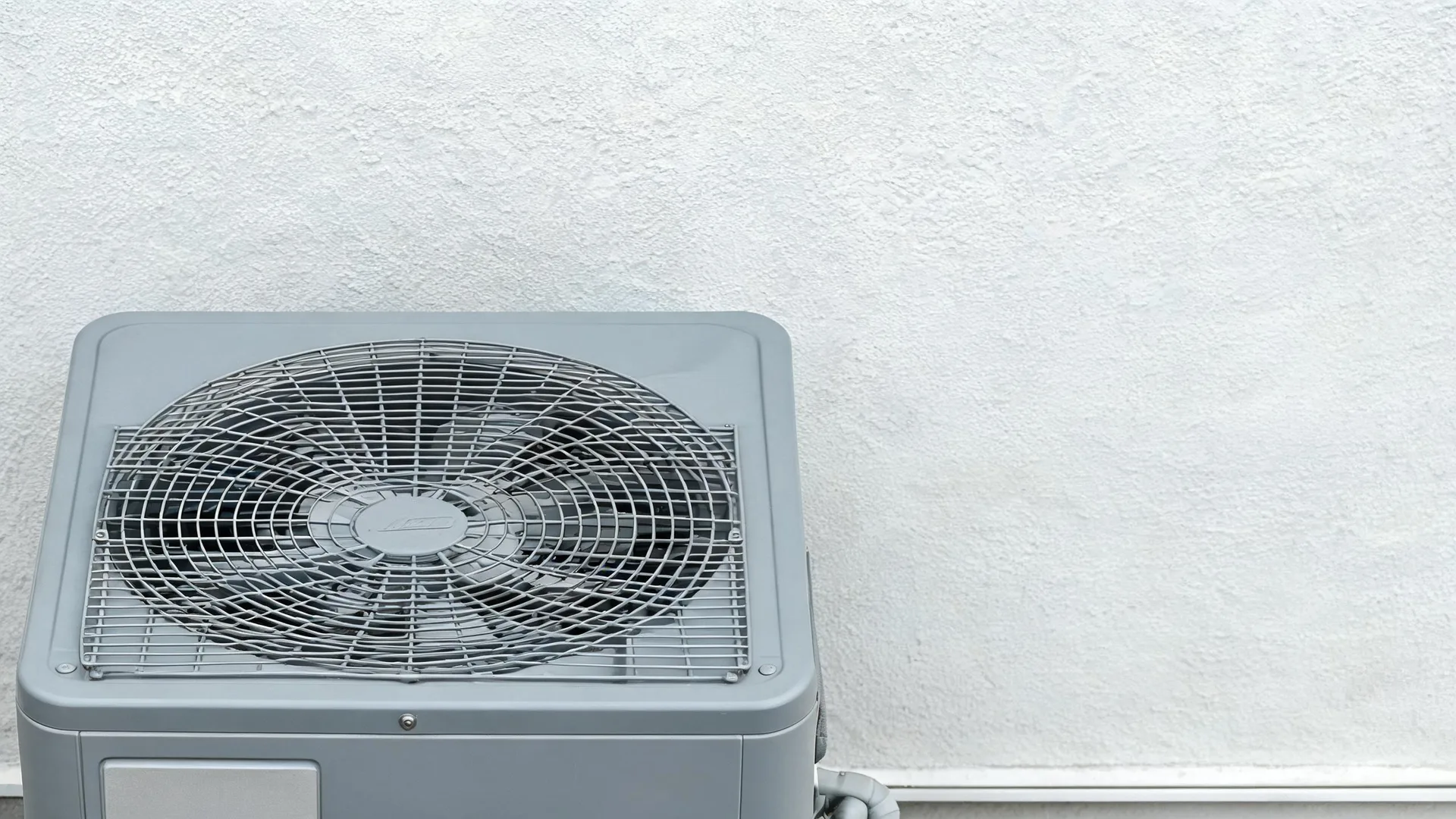
Ask about where the outdoor unit goes and what it takes to keep it running. A pad away from falling limbs, a cover for hail, and a plan for heat and hot water if the power drops for a day. Settle that at installation, not after a storm.
Find a contractor
The price of a heat pump installation comes down to what the job actually requires, not just the equipment sitting in the yard. Sizing drives most of it. A contractor has to work out how much heat the house loses in winter and how much heat it picks up in summer, then match a system to that load. Going bigger than the house needs doesn't make it work better, it makes it cycle on and off more and wear out sooner. The ductwork matters just as much as the outdoor unit. If the existing ducts are undersized, leaky, or routed in a way that starved the old furnace, a heat pump will have the same problem, since it moves air the same way. Sometimes that means sealing or modifying ductwork before the new system goes in, and that work can cost more than the unit itself. Electrical capacity is another piece. A heat pump needs a dedicated circuit and often a disconnect box outside, and if the panel is already full or the wiring is old, that adds an electrician to the job. Where the outdoor unit sits changes the labor too. A straightforward pad-mount next to the house is simple. A unit that has to go on a stand, get moved around a window, or run longer line sets to reach the indoor coil takes more time and more material. Removing the old system is its own step, especially if it's a furnace coming out alongside the ductwork changes or a disposal fee for old refrigerant. None of this is optional work tacked on to pad a bill. It's what makes the difference between a heat pump that heats and cools the house the way it's supposed to, and one that technically runs but never keeps up.
Every heat pump loses capacity as the outside air gets colder, and each one has a point where it needs backup heat to keep up. That point is called the balance point, and it varies by model and by how the system is sized. Ask where that balance point sits and what kicks in below it, whether that's electric resistance strips, a furnace, or nothing at all. A system with a lower balance point carries more of the heating load itself instead of handing it off.
Some heat pumps run at one speed, full on or full off. Others modulate, running at a lower speed most of the time and ramping up only when the load demands it. A modulating system holds a steadier temperature and runs longer, gentler cycles instead of short blasts. Ask whether the compressor is single-stage, two-stage, or variable-speed, and what that means for how the house feels on the coldest and hottest days, not just the mild ones.
Any heat pump installed here now has to meet the federal minimum for this region: at least 14.3 Btu of cooling for every watt-hour of electricity, and at least 7.5 Btu of heating for every watt-hour, over a full season. Howell County falls in climate zone 4A, a mixed zone where both ends of the equipment have to pull real weight. That rules out the lowest-end units some warmer states can still get away with installing. It doesn't mean every model on a contractor's list qualifies, so it's worth asking whether a specific unit meets that number before it goes in the yard. On top of the equipment itself, a federal tax credit is available for qualifying installations, separate from anything the efficiency minimum requires.
Efficiency still matters here, it just isn't the thing to chase first. With power this cheap, a unit two or three points higher on the efficiency rating will take years longer to earn that difference back than it would somewhere paying double for electricity. Put that money into sizing the system right and making sure the ductwork can actually carry what it moves. A heat pump that's sized correctly and set up to handle a power outage without leaving the house cold is worth more here than one that shaves a few dollars off the summer bill.