






An outdoor HVAC condenser unit on a concrete pad in front of a two-story suburban house.

Heat Pump Installation in Washington, MO

Tell us about the job

Takes about a minute. No obligation.

New system or replacementHeat PumpFranklin County, MO
Step 1 of 2

What ZIP code is the job in?

Electricity heats 67.6% of the homes in Franklin County, more than gas and propane combined. A heat pump fits right into that setup. It runs on electricity like the system it's replacing, so there's no new fuel line to run and no gas hookup to worry about. Utility gas only serves 15.1% of homes here, and propane another 10.8%, so most houses already have the electrical foundation a heat pump needs. The work comes down to sizing the unit to the house and connecting it to the existing electrical panel.

7 months
October through April, your system heats
5 months
May through September, it cools
24°F
the average winter night it heats against
87°F
the average summer afternoon it cools against
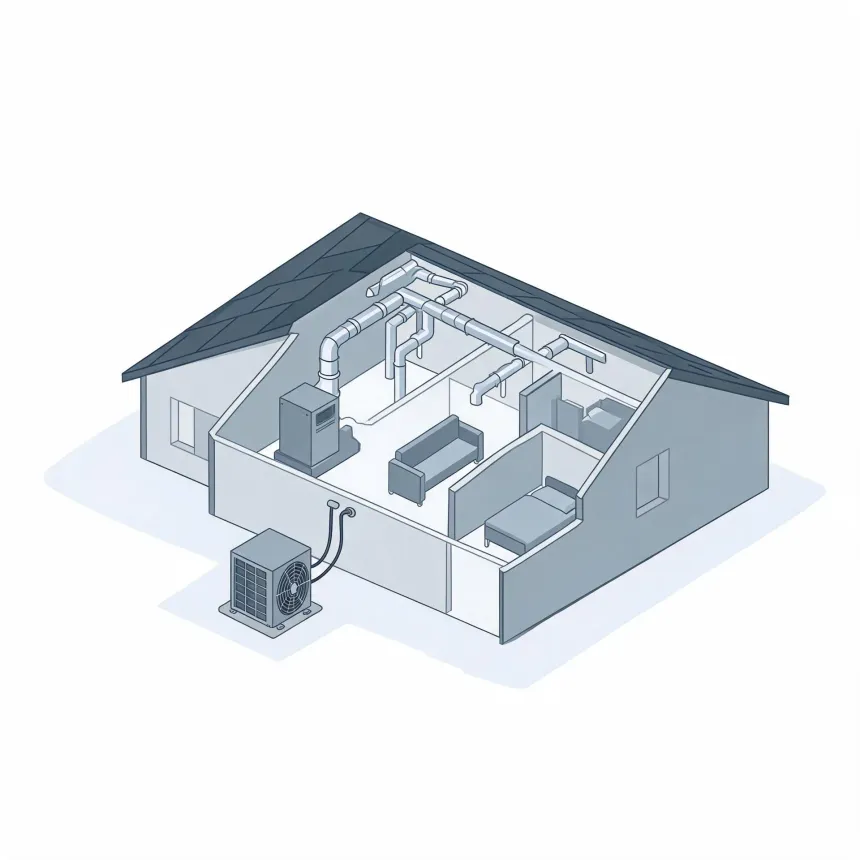
Isometric cutaway illustration of a single-story house showing interior rooms with furniture, an attic duct network connected to a furnace or air handler, and an outdoor condenser unit linked by lines outside the wall.
Your system heats October through April and cools May through September.

NOAA nClimDiv, 1991–2020 normals

Franklin County saw 72 damaging wind events and 43 hail events in the past decade.

None of that changes what a heat pump needs. A standard size and rating hold up fine here.

Heat pumps here work September through April. Get it installed before then.

Cooling runs May through September
Heat runs October through April
72 damaging wind events from 2015 to 2024
A standard heat pump fits Washington, MOMissouri homes paid 12.91 cents per kilowatt-hour in 2024.

Franklin County sits in climate zone 4A, which asks real work of both heating and cooling here. Any split-system heat pump installed new has to meet 14.3 SEER2 for cooling and 7.5 HSPF2 for heating, the federal minimum since January 2023. That floor applies everywhere, so the question for your house isn't whether a unit clears it but how it's sized and set up for your place. A unit rated right at the minimum and one rated well above it can both do the job here. The difference shows up later, in what it costs to run through a full year of both seasons.

A standard heat pump, sized right, is what this house needs

Winter nights here average 24°F, right in the range a standard heat pump is built to handle. Franklin County's zone 4A climate asks real work of both heating and cooling, but that doesn't call for a bigger or higher-rated unit, just one sized right for your house. Get it installed before the cold settles in.

Find a contractor
A man in a gray t-shirt and brown work pants carries a canvas tool bag up porch steps toward a blue front door of a house with gray siding.
A gray air-source heat pump mounted on a concrete pad next to a house with gray vinyl siding, surrounded by gravel and flanked by green shrubs and white hydrangea flowers.

What to ask before you sign anything

When you're comparing quotes, the number to ask about first is the load calculation, not the price. A contractor should size the unit to your house, the windows, the insulation, the layout, not just swap in whatever size is already there. Too big and it short-cycles, turning on and off without running long enough to dehumidify or hold a steady temperature. Too small and it runs constantly, straining to keep up on the coldest or hottest days. Ask each contractor what method they used to size the unit and what they measured. Also ask about the backup heat setup, since a heat pump that can't keep up on the coldest days needs strip heat or another source to carry the load, and how that's wired in matters as much as the unit itself. Ask what happens to the existing ductwork too. A heat pump moves a different volume of air than what might be running now, and ducts sized for one don't always suit the other without changes. The brand matters less than whether the person installing it got the sizing and the duct work right.

The old furnace or AC comes out

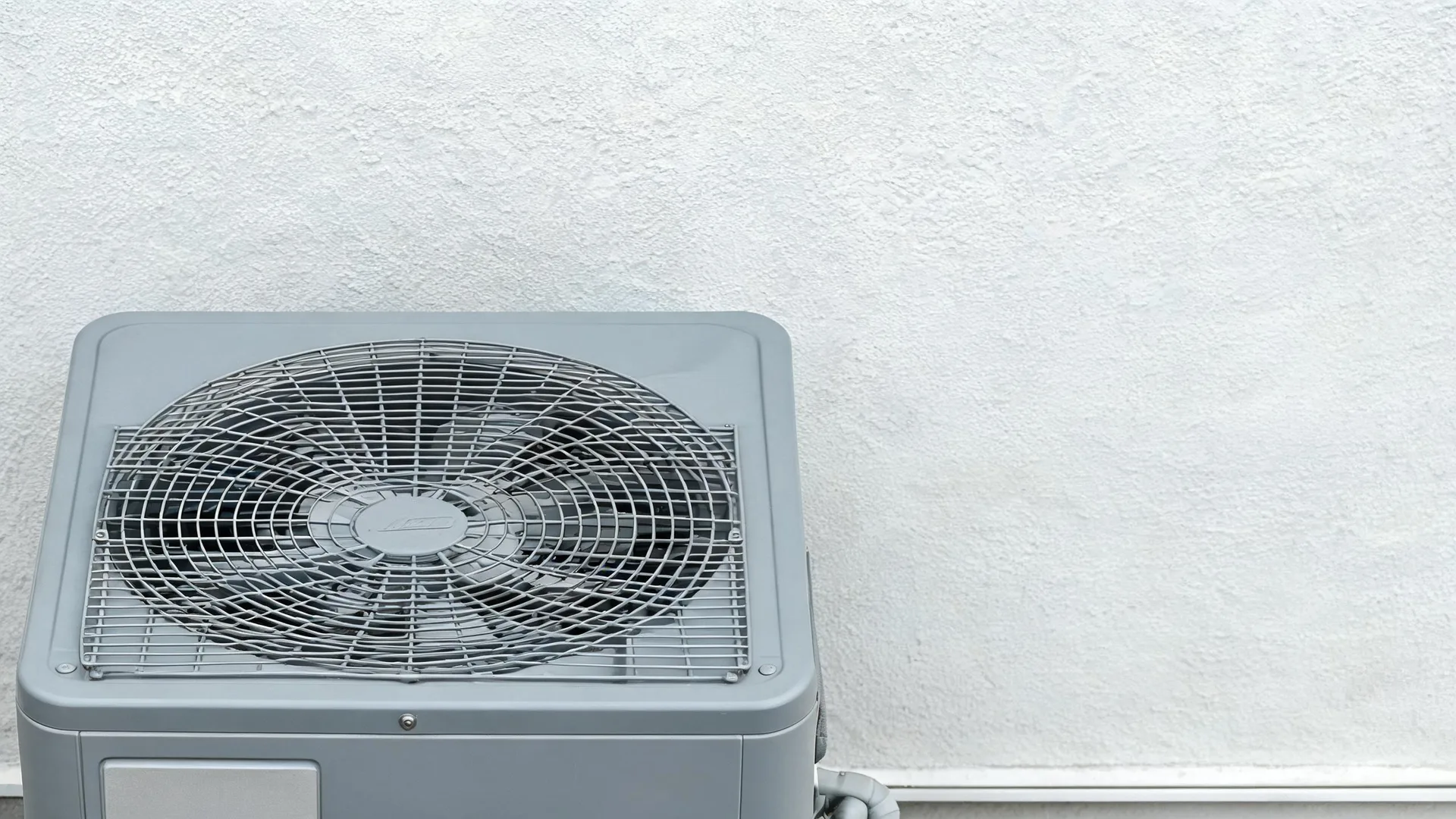
A heat pump replacing a furnace and separate AC takes both out, since one unit now handles heating and cooling. If the old system used a gas furnace, that gas line gets capped off. The indoor coil and outdoor condenser from the old AC come out too, along with the old thermostat if it's not compatible with the new system.
The ductwork gets a second look

Whatever ducts were carrying air for the old system stay in place unless there's a reason to change them. A heat pump moves air at different temperatures than a gas furnace does, so a contractor checks whether the existing supply and return ducts can handle it before calling the job done.

That SEER2 and HSPF2 pairing on the label is a ceiling-to-floor split. SEER2 covers cooling, HSPF2 covers heating, and a heat pump needs both numbers because it does both jobs. A higher rating usually means a more efficient compressor, sometimes one that can run at partial speed instead of just on or off. That matters because a unit running at low speed for a long stretch holds a steadier temperature than one slamming on and off at full blast. But the rating only tells you what the equipment can do in a lab. Whether your house sees that kind of efficiency depends on the ductwork it's tied to, how well the house holds the air once it's conditioned, and whether the unit was sized to the load instead of just matched to whatever was there before. A high rating on an oversized or poorly ducted unit won't outperform a modest rating on one set up right.

Most of installation day goes to connections, not the boxes themselves. The old condenser and air handler come out first. Refrigerant lines get run and brazed new, then pressure tested before any charge goes in, because a leak found after the fact means opening the system back up. The electrical hookup is its own job too. A heat pump draws power differently than what it's replacing, so the breaker or disconnect sometimes has to change to match it. Once it's wired and charged, a tech checks airflow at the vents, sets the thermostat to talk to the new system, and confirms the refrigerant charge matches what the unit calls for at the outside temperature that day. A unit can go in straight and still run wrong if that last part gets rushed.